For anyone managing a garden operation, small farm, or landscaping crew, a tiller going down mid-season is not a minor inconvenience. It disrupts planting schedules, delays soil preparation, and creates downstream pressure on every task that depends on prepared ground. Unlike larger agricultural equipment that may have dealer networks with dedicated service departments, tillers are often maintained by the operators themselves or by small equipment shops working through limited parts inventories.
- Why Sourcing the Right Parts Quickly Matters More Than Most Operators Realize
- Tine Assemblies and Blade Sets
- Drive Belts
- Spark Plugs
- Carburetor Components
- Air Filters
- Fuel Filters and Fuel Lines
- Wheel and Axle Components
- Depth Stake and Drag Bar Assemblies
- Gearbox and Transmission Components
- Throttle and Control Cables
- Finding the Right Parts Without Unnecessary Delay
- Conclusion
The challenge is not always diagnosis. Most experienced operators know when something is wrong. The challenge is sourcing the correct replacement part quickly enough to keep the work moving. Across the United States, tiller repair tends to cluster around the same components season after season. Understanding which parts fail most frequently, and why, gives operators a practical edge when it comes to stocking spares, scheduling preventive maintenance, and making sound purchasing decisions.
Why Sourcing the Right Parts Quickly Matters More Than Most Operators Realize
Tiller downtime during peak soil preparation windows carries a cost that extends well beyond the repair itself. A single delayed planting cycle can affect crop yield timing, rental schedules, or contracted landscaping deadlines. When a part fails during spring preparation or fall turnover, the window to fix and return to work is often measured in days, not weeks. That urgency shapes how and where operators look for replacements.
Searching for tiller parts near me has become one of the most practical starting points for operators who need a same-day or next-day solution rather than waiting through a standard shipping cycle. Regional availability varies significantly depending on the brand and model in use, which is why knowing the most commonly needed components in advance allows for smarter sourcing decisions. When you understand what typically fails, you can identify suppliers ahead of a breakdown rather than scrambling during one.
The parts listed throughout this article are drawn from common repair patterns observed across residential, commercial, and light agricultural tiller use in the US. They reflect the components most frequently purchased as replacements regardless of tiller brand or size class.
Tine Assemblies and Blade Sets
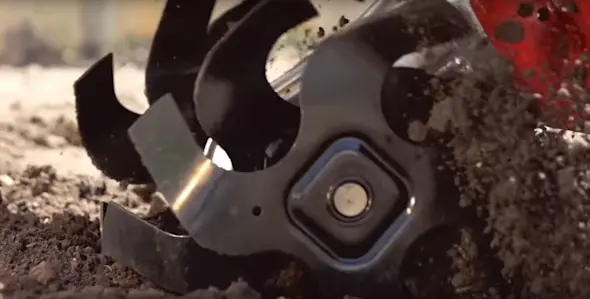
Tines are the rotating blades that make contact with the soil, and they are the component most exposed to abrasion, impact, and wear. Over time, tines lose their edge geometry, reducing penetration efficiency and forcing the engine to work harder. In rocky or clay-heavy soil conditions, tines can crack or bend outright after a single encounter with a buried obstruction.
How Soil Composition Accelerates Tine Wear
Operators working in sandy loam may replace tines seasonally as a routine matter, while those working in compacted clay or rocky terrain may find themselves replacing them mid-season. The wear pattern itself often provides diagnostic information. Uneven wear across a tine set typically points to depth adjustment issues or uneven load distribution, both of which can be corrected before the next set is installed to extend its service life.
Drive Belts
The drive belt transfers power from the engine to the tine assembly or wheel drive system, depending on the tiller’s configuration. It is a high-friction component operating under consistent tension, and it degrades in predictable ways. Cracking along the belt’s inner surface, fraying at the edges, or glazing from heat are all signs that replacement is imminent. A belt that slips under load reduces effective tilling depth and can cause the engine to run hotter than designed.


Belt Sizing and Compatibility Considerations
One of the most common sourcing errors involves purchasing a belt by general measurement rather than by the manufacturer’s part number. Even small variations in belt profile or composition can result in premature failure or incompatible fitment with the pulleys. Keeping the original part number from the owner’s manual or the old belt’s markings significantly reduces the likelihood of a mismatch.
Spark Plugs
A fouled or worn spark plug is one of the most straightforward repairs in small engine maintenance, yet it is also one of the most commonly overlooked until it causes a no-start condition. Spark plugs in tiller engines are subject to heat cycling, oil contamination from engine wear, and carbon buildup from incomplete combustion. Any of these conditions can cause misfiring, hard starting, or a noticeable reduction in engine output.
Using Plug Condition as a Diagnostic Tool
Experienced mechanics often read the condition of a removed spark plug before replacing it. A plug coated in black, sooty carbon suggests a rich fuel mixture. One with a white or blistered electrode indicates the engine is running lean or overheating. These observations can point to carburetor or air filter issues that, if left unaddressed, will shorten the life of the new plug as well.
Carburetor Components
The carburetor controls the air-to-fuel mixture delivered to the engine. In small engines that sit unused for extended periods, ethanol-blended fuel leaves residue in the carburetor’s small internal passages as the fuel degrades. This residue restricts fuel flow and causes rough running, surging, or failure to maintain consistent RPM under load.
Carburetor Kits vs. Full Carburetor Replacement
In many cases, a carburetor rebuild kit containing new gaskets, needle valves, and float components can restore full function at a fraction of the cost of a complete carburetor replacement. The decision between a kit and a full replacement typically depends on whether the carburetor body itself is in good condition or has suffered physical damage from corrosion or impact.
Air Filters
Tilling generates substantial airborne dust and debris. An air filter in a working tiller environment reaches its service limit far faster than one in a comparably sized lawn mower operating over cut grass. A clogged air filter starves the engine of the air it needs for combustion, leading to reduced power, increased fuel consumption, and accelerated wear on internal engine components.
Fuel Filters and Fuel Lines
Fuel system components, including filters and rubber fuel lines, deteriorate with age and exposure to ethanol. Rubber lines become brittle, develop small cracks, or collapse internally in ways that restrict fuel flow without an obvious visible leak. Fuel filters accumulate debris that enters the tank during refueling or forms as fuel degrades. According to the U.S. Environmental Protection Agency, ethanol content in gasoline affects material compatibility in small engines, which is a significant contributor to accelerated deterioration of fuel system rubber and plastic components.
Wheel and Axle Components
Self-propelled and rear-tine tillers rely on wheel drive systems to maintain forward motion through varying soil resistance. Wheels, wheel hubs, and drive pins take on significant mechanical stress when the tiller encounters hard or uneven ground. Drive pins, in particular, are designed as sacrificial components meant to fail before the gearbox or axle is damaged, making them one of the more frequently replaced items in regular use.
Recognizing Axle Wear Before It Becomes a Larger Problem
Axle wear often presents first as wheel wobble or inconsistent traction. Catching this early and replacing the affected components prevents damage to the gearbox housing, which is a substantially more expensive and time-consuming repair. Periodic inspection of the wheel and axle area, especially after heavy use in rocky terrain, is a straightforward preventive measure.
Depth Stake and Drag Bar Assemblies
The depth stake or drag bar controls how deep the tines penetrate the soil. This component absorbs significant downward force and lateral pressure during operation, particularly in compacted ground. Bending or complete failure of the depth stake results in inconsistent tilling depth and can force the tines to work beyond their designed range, accelerating wear throughout the tine assembly.
Gearbox and Transmission Components
The gearbox is among the more robust components in a well-maintained tiller, but it is not immune to failure. Seals, gaskets, and gear sets eventually wear, particularly in machines that have seen years of heavy service without oil changes or seal inspection. Gearbox oil leaks are often the first sign of internal seal degradation and, if caught early, can be addressed before the gear set itself sustains damage from running in degraded lubrication.
Throttle and Control Cables
Control cables, including throttle and choke cables, are subjected to repeated bending, tension, and exposure to outdoor conditions. Over time, the inner cable frays or the outer housing cracks, leading to sticky or unresponsive controls. A throttle cable that does not return properly creates a safety issue as well as an operational one, and replacement is generally straightforward when the correct cable length and end fitting are on hand.
Finding the Right Parts Without Unnecessary Delay
Tiller repair in a working operation context is about minimizing the gap between failure and return to service. The parts covered throughout this article represent the components most likely to need attention across a tiller’s service life, regardless of brand or configuration. Knowing them in advance allows operators to stock the highest-probability items before the season begins, reducing exposure to supply delays during the busiest periods.
Operators searching for tiller parts near me benefit from having their model number, engine make, and original part numbers accessible before they begin searching. Suppliers who specialize in outdoor power equipment parts, rather than general hardware retailers, are more likely to carry the correct specifications and have the inventory depth to support same-day or next-day fulfillment. Local availability remains a meaningful advantage when planting or project windows are tight and shipping timelines cannot be accommodated.
For operations that depend on tillers across multiple seasons, building a basic inventory of the most frequently replaced components, particularly tines, belts, filters, and spark plugs, is a practical approach to reducing unplanned downtime. The cost of carrying a small on-hand parts supply is almost always less than the cost of a delayed work cycle during a critical operational window.
Conclusion
Tiller maintenance is not particularly complex, but it is consistent. The same components fail across seasons, across brands, and across different soil conditions for predictable reasons rooted in mechanical wear, environmental exposure, and the demands of repetitive heavy use. Operators who understand the failure patterns and plan their parts sourcing accordingly are better positioned to keep their equipment running when it is needed most.
Knowing which parts to watch, when to inspect them, and where to source replacements without a long lead time transforms tiller maintenance from a reactive scramble into a manageable part of normal operations. That shift in approach pays dividends not just in equipment reliability but in the consistency of the work that depends on it.