

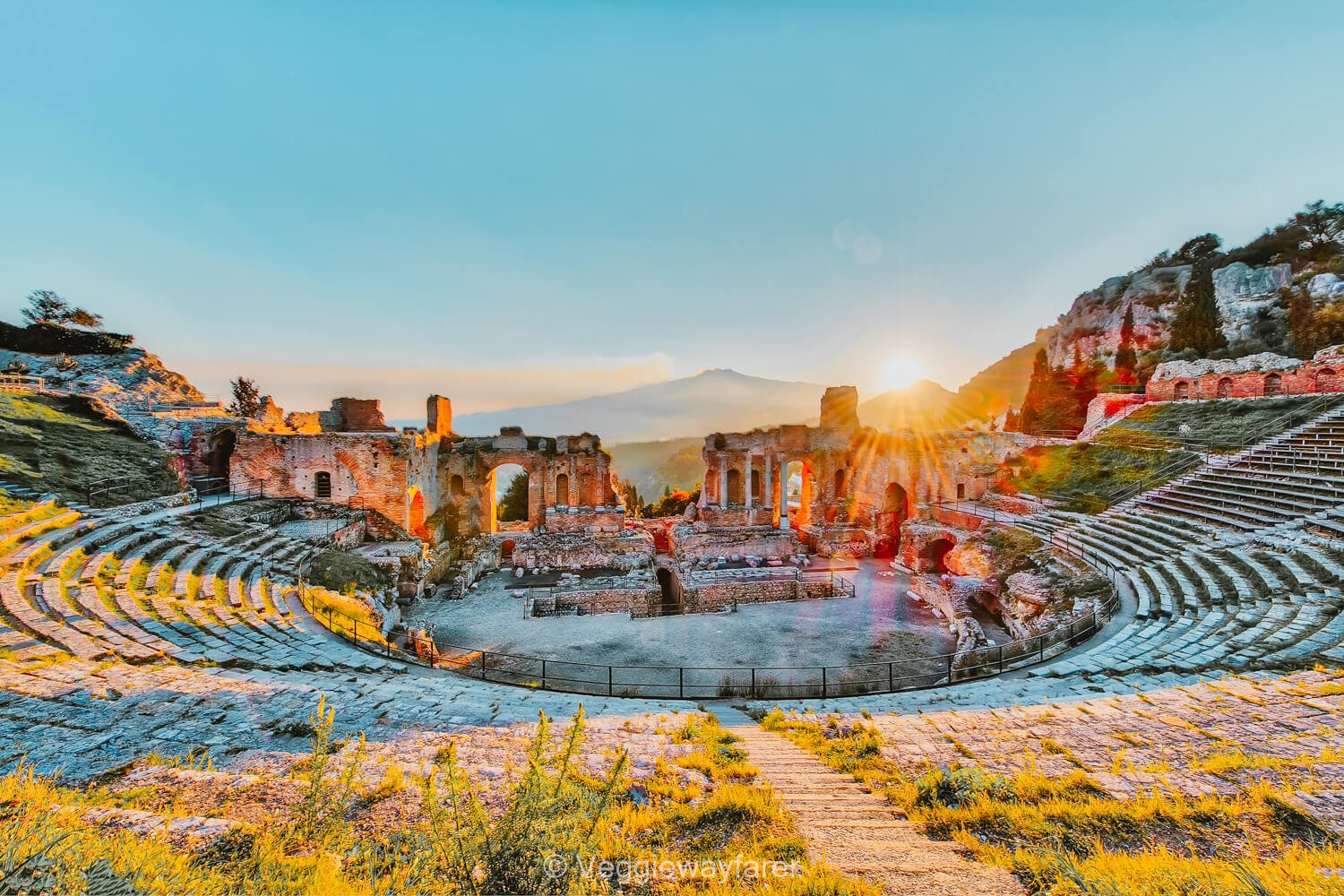
South italy Places encompasses regions like Campania, Puglia, Calabria, and Sicily, offering ancient Greek ruins, dramatic coastlines, and some of Italy’s best food. Top destinations include Naples, the Amalfi Coast, Capri, Pompeii, and Positano. The ideal visiting window runs from April to June or September to October, when the Mediterranean climate is warm but not scorching.
- What Counts as South Italy? Geography and Climate Explained
- Where Is South Italy Located?
- What’s the Best Time to Visit South Italy?
- What Natural Landscapes Define South Italy?
- How Did Ancient Civilizations Shape South Italy’s History?
- What Ancient Greek and Roman Sites Can You Visit in South Italy?
- How Did Norman and Byzantine Rule Influence the Region?
- What Are the Must-Visit Destinations in South Italy?
- Why Is Naples Worth Visiting?
- What Makes the Amalfi Coast So Scenic?
- What Can You Do on Capri and Ischia?
- What Should You Know Before Visiting Pompeii and Herculaneum?
- Why Is Salerno a Smart Base for Exploring the Region?
- What Makes Paestum’s Greek Temples Significant?
- Why Do Travelers Fall in Love With Positano?
- What Food and Wine Should You Try in South Italy?
- What Are the Must-Try South Italian Dishes?
- Which Pasta Dishes and Seafood Delicacies Define the Region?
- What Wines Come From South Italy?
- Where Can You Find the Best Food Markets and Dining Experiences?
- What Are the Practical Essentials for Traveling in South Italy?
- How Do You Get Around South Italy?
- What Should You Pack for a Trip to South Italy?
- What Accommodation Options Fit Different Budgets?
- What Cultural Etiquette Should Visitors Know?
- Start Planning Your South italy Places Adventure
- Frequently Asked Questions About Visiting South Italy
South Italy moves at a different pace than its northern counterpart. While Milan hums with fashion-week energy and Florence draws crowds to Renaissance masterpieces, the south holds onto something older and less polished — a rawness that comes from centuries of Greek settlers, Norman kings, and fishermen who’ve worked the same waters for generations.
This region rarely gets the spotlight it deserves. Travel guides often treat it as a footnote to Rome or an extension of a Tuscan itinerary, when in reality, South Italy stands on its own as one of the Mediterranean’s richest cultural and culinary destinations. From the cliffside towns of the Amalfi Coast to the ash-preserved streets of Pompeii, the region tells a story that spans thousands of years.
This guide covers everything you need to plan a trip to South Italy: the geography and climate that shape its landscapes, the historical layers that built its cities, the destinations worth prioritizing, and the food that makes the region famous. By the end, you’ll have a clear picture of where to go, when to visit, and how to make the most of your time there.
What Counts as South Italy? Geography and Climate Explained
South italy Places, or Mezzogiorno, refers to the southern portion of the Italian peninsula and its surrounding islands. The region includes Campania, Puglia, Basilicata, Calabria, Molise, and the islands of Sicily and Sardinia, though most travel itineraries focus on Campania and parts of Calabria and Puglia for their accessibility and concentration of attractions.
Where Is South Italy Located?
Geographically, South Italy stretches from just below Rome down to the “toe” and “heel” of the Italian boot, bordered by the Tyrrhenian Sea to the west and the Ionian and Adriatic Seas to the east. This coastal positioning explains much of the region’s character — nearly every major destination in South Italy sits near water, and maritime trade shaped its history for millennia.
What’s the Best Time to Visit South Italy?
South Italy enjoys a classic Mediterranean climate: hot, dry summers and mild, wetter winters. Coastal areas like the Amalfi Coast and Capri rarely see temperatures drop below 50°F (10°C), even in January.
The best time to visit South italy Places is during the shoulder seasons — April through June or September through October. Temperatures during these months typically range from the mid-60s to low 80s Fahrenheit, making outdoor exploration comfortable without the peak-summer crowds or heat that can make July and August challenging, especially in cities like Naples where temperatures regularly exceed 90°F (32°C).



What Natural Landscapes Define South Italy?
The region’s coastline alone justifies a visit. Limestone cliffs plunge into turquoise water along the Amalfi Coast, while the Gulf of Naples frames Mount Vesuvius in the distance. Inland, Basilicata offers dramatic canyons and the cave-dwelling city of Matera, and Puglia’s flat, olive-grove-covered terrain gives way to the whitewashed trulli houses of Alberobello. South Italy isn’t a single landscape — it’s a patchwork of coastal drama, volcanic terrain, and sun-baked countryside.
How Did Ancient Civilizations Shape South Italy’s History?
Few regions in Europe carry as many layers of history as South Italy. Understanding this past makes visiting the region’s ruins and old towns far more meaningful.
What Ancient Greek and Roman Sites Can You Visit in South Italy?
Greek settlers arrived in southern Italy as early as the 8th century BCE, founding colonies collectively known as Magna Graecia. Paestum, located south of Salerno, remains one of the best-preserved examples of this era — its three Doric temples rank among the most intact Greek structures anywhere in the world, including in Greece itself.
Rome later absorbed these Greek territories, and the imperial period left its own mark. Pompeii and Herculaneum, both buried by the eruption of Mount Vesuvius in 79 CE, offer an almost unsettling window into daily Roman life — bakeries, bathhouses, and frescoed villas preserved under volcanic ash for nearly 1,700 years before excavation began.
How Did Norman and Byzantine Rule Influence the Region?
After the fall of Rome, South Italy passed through Byzantine, Lombard, and eventually Norman control. The Normans, arriving in the 11th century, built a hybrid culture that blended Latin, Greek, Arab, and Norman influences — visible today in architecture like Palermo’s Cappella Palatina, with its combination of Byzantine mosaics and Islamic-style ceilings.
This layering of cultures is part of what makes South Italy visually and culturally distinct from the rest of the country. Medieval kingdoms, including the Kingdom of Naples and later the Kingdom of the Two Sicilies, continued shaping the region’s identity through the Renaissance and into the modern era, leaving behind castles, cathedrals, and a cuisine that reflects centuries of cultural exchange.
What Are the Must-Visit Destinations in South Italy?
South italy Places packs an extraordinary number of worthwhile destinations into a relatively compact area. Here’s where to prioritize your time.
Why Is Naples Worth Visiting?
Naples is South Italy’s largest city and arguably its most authentic. Known as the birthplace of pizza, Naples offers a chaotic, vibrant energy that contrasts with the postcard-perfect towns along the coast. The historic center, a UNESCO World Heritage Site, is packed with baroque churches, underground catacombs, and narrow streets where laundry hangs between centuries-old buildings. Choose Naples if you want an unfiltered, lived-in experience of South Italy rather than a polished tourist destination.
What Makes the Amalfi Coast So Scenic?
The Amalfi Coast stretches roughly 30 miles along the Sorrentine Peninsula, connecting towns like Amalfi, Ravello, and Positano via a cliffside road that offers some of the most photographed views in Europe. Pastel-colored buildings cling to steep hillsides above the Tyrrhenian Sea, and lemon groves perfume the air in warmer months. This destination suits travelers prioritizing scenery and romance over budget, as accommodation here tends to be pricier than elsewhere in the region.
What Can You Do on Capri and Ischia?
Capri and Ischia sit just off the coast near Naples and offer very different island experiences. Capri is glamorous and compact, known for the Blue Grotto sea cave and upscale shopping in Capri Town. Ischia, larger and less crowded, is known for thermal spas and a slower pace. Choose Capri for a day trip packed with iconic sights, and Ischia if you want island relaxation without the crowds.
What Should You Know Before Visiting Pompeii and Herculaneum?
Pompeii is the more famous of the two archaeological sites, covering a larger area and drawing millions of visitors annually. Herculaneum, smaller and less crowded, offers better-preserved buildings due to the different way volcanic material buried the town. Visit Pompeii if you want the full scale of a buried Roman city; choose Herculaneum if you prefer a quieter, more detailed look at Roman architecture and daily life.
Why Is Salerno a Smart Base for Exploring the Region?
Salerno often gets overlooked in favor of its flashier neighbors, but it serves as a practical and affordable gateway to the Amalfi Coast. The city has its own medieval old town, a scenic waterfront promenade, and significantly lower accommodation costs than Positano or Amalfi. Base yourself in Salerno if you want easy train and ferry access to the coast without the premium price tag.
What Makes Paestum’s Greek Temples Significant?
Paestum’s three Doric temples — dedicated to Hera, Athena, and Neptune — date back to the 6th century BCE and remain remarkably intact. Unlike the crowded ruins of Pompeii, Paestum tends to draw fewer visitors, making it an excellent stop for travelers interested in ancient history without the crowds.
Why Do Travelers Fall in Love With Positano?
Positano is the most photographed town on the Amalfi Coast, with its cascade of colorful buildings tumbling down to a small beach. There are no flat streets here — everything involves stairs — but the views from nearly any vantage point justify the climb. Positano suits travelers seeking a romantic, slower-paced visit over an action-packed itinerary.
What Food and Wine Should You Try in South Italy?
South Italy’s cuisine reflects its geography and history — abundant seafood, sun-ripened produce, and dishes shaped by Greek, Arab, and Spanish influences over the centuries.
What Are the Must-Try South Italian Dishes?
Naples claims the birthplace of pizza, and Neapolitan-style pizza — thin crust, charred edges, simple toppings — remains the gold standard. Beyond pizza, look for sfogliatella (a flaky, ricotta-filled pastry), parmigiana di melanzane (eggplant parmesan), and fresh mozzarella di bufala, made from water buffalo milk and produced primarily in Campania.
Which Pasta Dishes and Seafood Delicacies Define the Region?
Seafood dominates coastal menus. Look for spaghetti alle vongole (spaghetti with clams), frittura di paranza (mixed fried small fish), and impepata di cozze (peppered mussels). Inland, Puglia is known for orecchiette pasta, often served with turnip greens or a simple tomato sauce.
What Wines Come From South Italy?
South italy Places produces distinctive wines that rarely get the recognition of Tuscan or Piedmontese labels, despite their quality. Campania is known for Aglianico, a bold red grape, and Falanghina, a crisp white. Puglia produces Primitivo and Negroamaro, both robust reds suited to the region’s hearty cuisine. Choose Aglianico if you prefer deep, structured reds, or Falanghina for a lighter white that pairs well with seafood.
Where Can You Find the Best Food Markets and Dining Experiences?
Naples’ Mercato di Porta Nolana offers an energetic, no-frills look at local produce and seafood, while smaller towns along the Amalfi Coast often hold weekly markets selling lemons, olives, and local cheeses. For dining, seek out family-run trattorias over tourist-focused restaurants near major attractions — they typically offer better value and more authentic preparations.
What Are the Practical Essentials for Traveling in South Italy?
A little planning goes a long way in South Italy, where transportation and accommodation options vary significantly by location.
How Do You Get Around South Italy?
Trains connect major cities like Naples, Salerno, and Rome efficiently, with high-speed options cutting travel time significantly. However, the Amalfi Coast’s narrow, winding roads make driving stressful for first-time visitors — many travelers opt for the SITA bus or ferries between coastal towns instead. Ferries run seasonally between Naples, Capri, Ischia, and Amalfi Coast towns, offering a scenic and often faster alternative to road travel.
What Should You Pack for a Trip to South Italy?
Pack light, breathable clothing for summer visits, along with comfortable walking shoes — many towns, including Positano and Capri, involve significant stairs and uneven cobblestone streets. A light jacket is useful for spring and fall evenings, and modest clothing is recommended for visiting churches and religious sites.
What Accommodation Options Fit Different Budgets?
Naples and Salerno offer the most budget-friendly options, with comfortable hotels and guesthouses available at a fraction of Amalfi Coast prices. The Amalfi Coast itself, particularly Positano and Ravello, caters to a higher-end market, with boutique hotels often requiring advance booking months ahead for summer travel. Budget travelers should consider basing themselves in Salerno or Sorrento and taking day trips to pricier coastal towns.
What Cultural Etiquette Should Visitors Know?
Italian is the primary language, though English is widely spoken in tourist areas. Learning basic phrases — buongiorno, grazie, per favore — goes a long way with locals. Meals are an unhurried affair in South Italy; rushing through dinner or requesting substantial menu changes is generally viewed as poor etiquette. Tipping isn’t obligatory but rounding up or leaving a small amount for good service is appreciated.
Start Planning Your South italy Places Adventure
South italy Places rewards travelers willing to look beyond the typical Rome-Florence-Venice circuit. Its ancient Greek temples, volcanic history, cliffside villages, and food traditions create a destination that feels both timeless and distinct from the rest of the country.
Whether your priority is archaeological wonders like Pompeii and Paestum, coastal beauty along the Amalfi Coast, or simply eating your way through Naples, South Italy offers enough depth to fill multiple trips. Start by choosing a home base — Naples or Salerno for budget flexibility, Positano or Amalfi for a splurge-worthy escape — and build your itinerary around the sites and experiences that matter most to you.
Consult regional tourism boards and updated train or ferry schedules before finalizing your trip, as seasonal service changes can affect how you move between destinations.
Frequently Asked Questions About Visiting South Italy
How many days do you need to see South italy Places?
A minimum of seven days allows time to see Naples, the Amalfi Coast, and either Pompeii or Paestum without rushing. Travelers wanting to include Capri, Ischia, or Puglia should plan for ten to fourteen days.
Is South italy Places expensive to visit?
South italy Places varies widely by location. Naples and Salerno offer affordable dining and accommodation, while the Amalfi Coast — particularly Positano and Ravello — ranks among Italy’s pricier regions, especially during peak summer months.
Is South Italy safe for tourists?
South Italy is generally safe for tourists, though petty theft like pickpocketing can occur in crowded areas of Naples. Standard travel precautions, such as keeping valuables secure and avoiding poorly lit areas at night, apply here as they would in any major city.
What’s the difference between South Italy and the Amalfi Coast?
The Amalfi Coast is one specific region within South Italy, covering a roughly 30-mile stretch of coastline. South Italy as a whole is far larger, encompassing Campania, Puglia, Calabria, Basilicata, and Molise.
Can you visit South italy Places without a car?
Yes. Trains, buses, and ferries connect most major destinations in South italy Places, and many travelers find public transportation easier than driving, particularly along the narrow, congested roads of the Amalfi Coast.