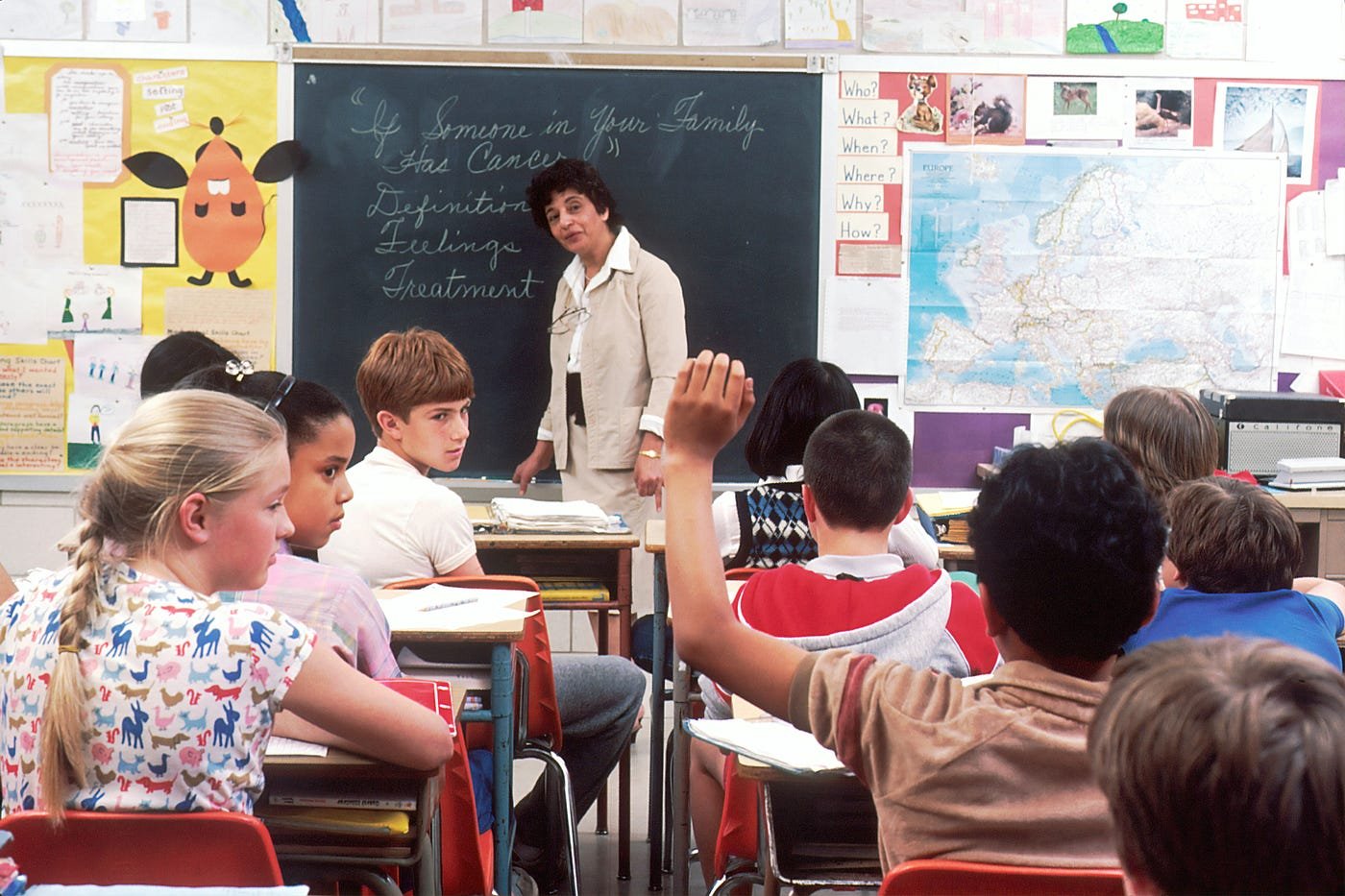
Small class sizes appear in almost every private school’s list of selling points. They are cited in prospectuses, mentioned at open days, and used as shorthand for educational quality. But what does a smaller class actually change about a student’s experience? The answer is more specific, and more interesting, than the marketing usually suggests.
It Is Not About Quiet Rooms
The popular image of a small class is a calm, attentive group receiving personalised instruction. That image captures something real but misses most of what actually matters. The value of a small class is not primarily acoustic. It is relational and diagnostic.
In a class of fifteen, a teacher has more time with each student across the week. Over a term, that accumulation of contact time produces a qualitatively different kind of understanding. The teacher begins to notice patterns: the student who shuts down when called on unexpectedly, the one whose written work significantly outpaces their verbal contributions, the one who is technically keeping up but whose engagement is declining. These signals are harder to detect in a class of thirty and easier to miss when they matter most.
Participation Changes the Learning
Class size affects how often each student speaks, contributes, and is required to think actively rather than passively. In larger classes, a student who is reluctant to participate can go unnoticed for long stretches. In smaller ones, disengagement is harder to sustain invisibly.
This is not about pressure. It is about the difference between an environment that makes it easy to coast and one that consistently requires a student to be present and engaged. Over several years, that difference produces meaningfully different learning habits. Students who are regularly asked to contribute their thinking, defend a position, or work through a problem aloud develop intellectual confidence that does not come from simply watching a well-delivered lesson.
What Changes for the Teacher
Smaller classes also change what is possible for the teacher. With more manageable numbers, differentiation becomes practical rather than theoretical. A teacher can genuinely adapt the pace for different students, provide more detailed written feedback, and follow up on previous conversations rather than starting from zero each lesson.
The relationship between a student and a teacher who knows them well is one of the most powerful variables in educational outcomes. It is not about friendship. It is about the motivating effect of being seen clearly by someone whose judgment you respect. That relationship is far more achievable in a smaller classroom.
The Compound Effect Over Time
At private schools Melbourne students attend across the metropolitan area, class sizes vary, but the intention behind keeping numbers lower is consistent: to create conditions where learning is more personal, more responsive, and more demanding in the right ways.



The benefits are not dramatic in any single lesson. They accumulate. A student who has spent six years in classes where their thinking was regularly engaged, where their teachers knew their tendencies well enough to challenge them appropriately, and where participation was a normal expectation rather than an occasional event, leaves school with something beyond their academic results.
They leave with the habit of thinking. That habit, quietly built across thousands of small-class interactions, tends to outlast every specific subject they studied.