Agricultural machinery serves as the literal backbone of modern farming operations. From high-horsepower tractors to intricate harvesters and irrigation systems, these machines empower farmers to meet demanding seasonal windows with efficiency. However, the intense workloads placed on this equipment can lead to premature wear and tear without a dedicated maintenance strategy. Implementing a proactive, seasonal approach to care is essential for maximizing the longevity of your investment and ensuring peak performance when it matters most.
Pre-Season: Preparing for the Field
The time before planting or harvest begins is the most critical window for preventative maintenance. Addressing potential issues during the off-season prevents “surprises” that can lead to expensive downtime during peak operational periods.
- Consult the Manual: Always begin by reviewing the manufacturer’s guidelines for specific service intervals and required parts.
- Fluid and Filter Refresh: Change engine oil, hydraulic fluids, and coolants as recommended. Replace air, fuel, and oil filters to ensure the engine runs efficiently and avoids contamination.
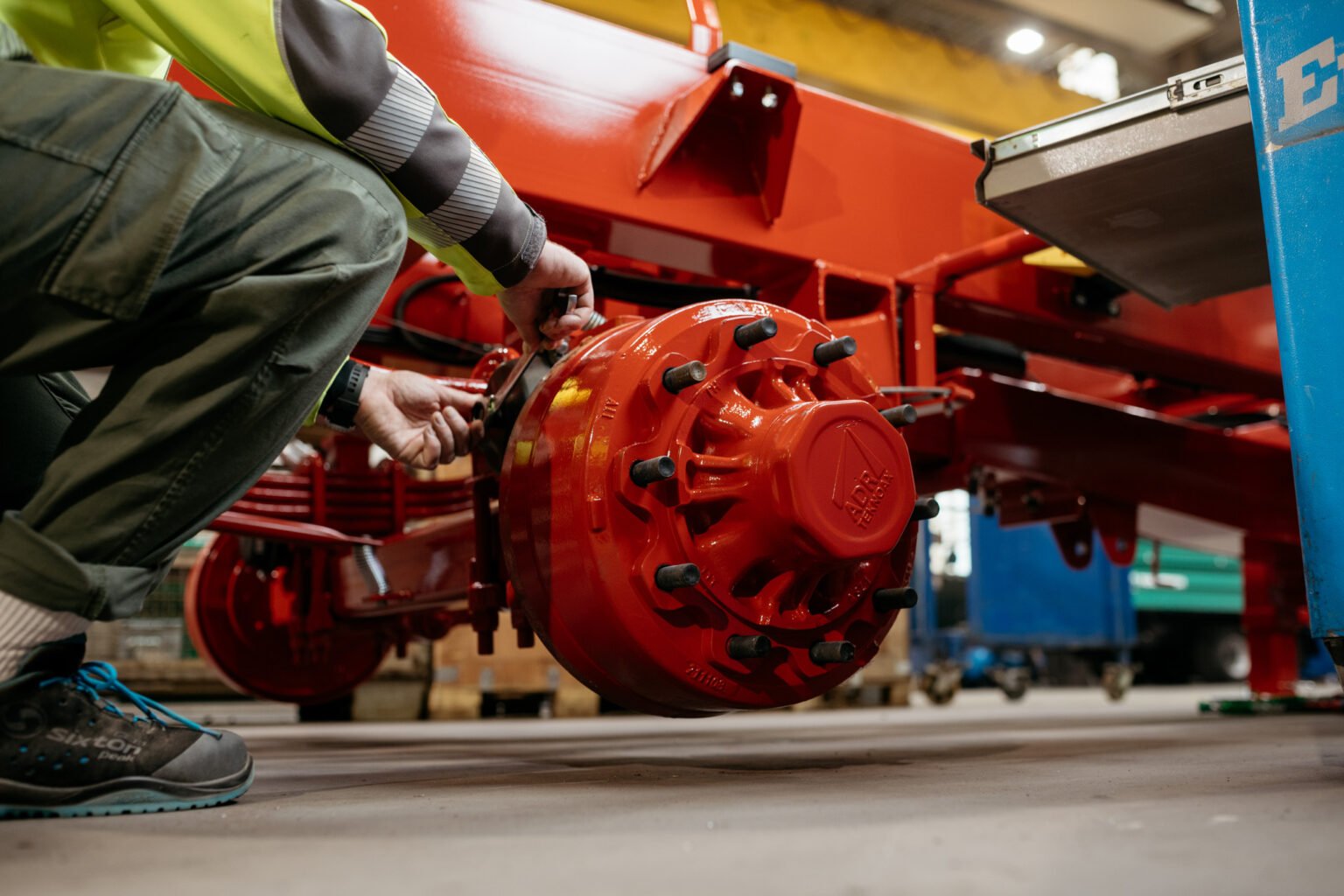
- Worn Part Replacement: Inspect blades, belts, hoses, and cutting edges for signs of fatigue. Replacing these components early prevents them from failing and putting extra strain on the rest of the machine.
- Tire and Track Calibration: Check tire pressure and tread condition weekly. For tracked machinery, ensure proper tension to prevent uneven wear and improve traction.
In-Season: Maintaining Momentum
Once the equipment is in the field, maintenance shifts from deep service to daily vigilance. The goal during active use is to catch small issues before they escalate into mechanical failures.
- Daily Visual Inspections: Operators should perform a quick walk-around before starting any machine. Look for loose bolts, fluid leaks, or unusual noises that could indicate a developing problem.
- The Importance of Cleanliness: Dust, mud, and crop residue can clog air filters, cause overheating in radiators, and accelerate corrosion. Cleaning equipment after use makes it easier to inspect and prevents debris from damaging moving parts.
- Consistent Lubrication: Friction is the enemy of heavy machinery. Regularly grease fittings, bearings, and chains according to the manual’s specifications to minimize wear and prevent overheating.
Post-Season and Storage: Safeguarding the Investment
When the season ends, proper storage and “winterization” are vital to prevent deterioration caused by inactivity and exposure to the elements.
- Thorough Cleaning and Repairs: Conduct a deep clean to remove all corrosive materials like fertilizers or wet crop residue. Address any repairs immediately so the machine is ready for the next cycle.
- Protective Storage: Whenever possible, store machinery in a dry, well-ventilated indoor structure, such as a durable metal building, to shield it from moisture and UV rays.
- Battery and Fuel Care: Disconnect batteries or use a trickle charger to preserve life during the winter. Add a fuel stabilizer to prevent degradation and protect engine components from internal corrosion.
- Safe Transportation: If your machinery requires transport to a specialized indoor storage facility or a repair shop, utilizing a lowboy trailer provides a secure and stable way to move heavy equipment while minimizing exposure to road salt and weather.
Documentation and Team Training
A successful maintenance plan relies on more than just tools; it requires organized record-keeping and a trained team.
- Keep Detailed Logs: Documenting every service, part replacement, and hour of operation helps track wear patterns and ensures warranty compliance. Digital tracking tools can further simplify this process by providing automated reminders for upcoming tasks.
- Train All Operators: Ensure that everyone handling the equipment understands proper startup/shutdown procedures and knows how to identify warning signs like unusual vibrations or smells. A culture of accountability where operators report issues immediately is the first line of defense against damage.
By committing to these seasonal maintenance strategies, farmers can reduce unexpected repair costs, enhance safety on the farm, and ensure their equipment delivers reliable value for years to come.