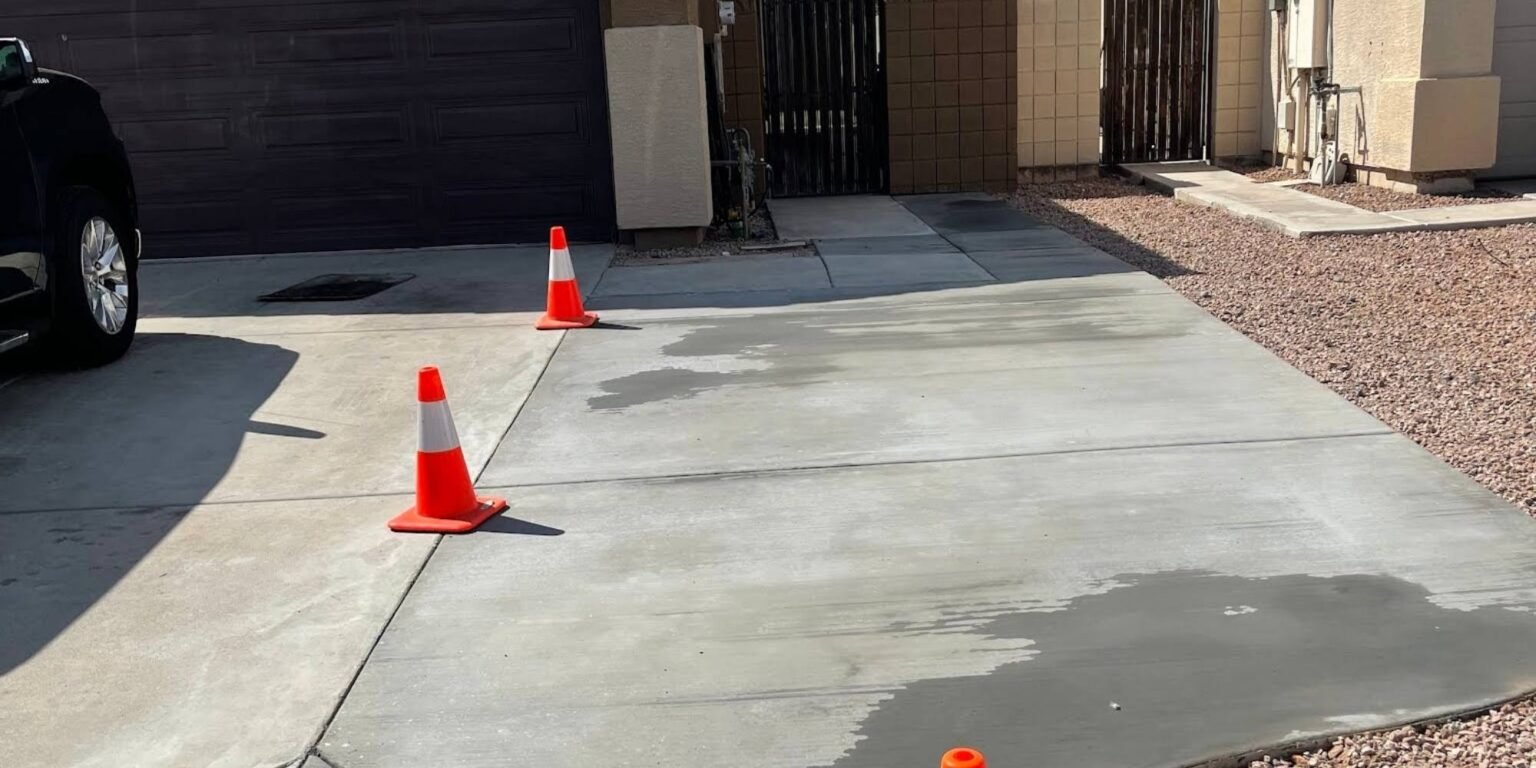
You probably don’t think about your driveway much—until you can’t fit your car in it. Or a guest has to park two blocks away. Or your new SUV hangs halfway off the edge every time you pull in.
These frustrations are more common than most homeowners realize, and they rarely go away on their own. If your driveway feels cramped, awkward, or just plain outdated, a driveway extension could be exactly what your property needs. At HeavenScape, we help homeowners reclaim their outdoor space with custom driveway extensions built to last.
What Is a Driveway Extension?
A driveway extension is exactly what it sounds like—an addition to your existing driveway that increases its usable surface area. This could mean widening it to fit two cars side by side, lengthening it to reach closer to the street or garage, or adding a parking pad off to the side.
The result? More room. More function. And, done right, a noticeably better-looking front yard.
Extensions can be built using a range of materials, including concrete, pavers, asphalt, and gravel—each with its own set of benefits depending on your budget, aesthetic, and how much traffic the surface will need to handle.
Why Homeowners Choose to Extend Their Driveways
The decision usually starts with a practical problem. A growing family adds another car. A home renovation means more frequent deliveries and contractor vehicles. A teenager gets their license. Whatever the trigger, the underlying issue is the same: the existing driveway no longer fits the household’s needs.
But the reasons go beyond convenience.
Curb appeal matters. A well-proportioned driveway frames your home and contributes significantly to how your property looks from the street. A narrow, cracked, or awkwardly sized driveway can detract from an otherwise attractive home. An extension—when designed thoughtfully—can transform the entire front façade.


Property value is another factor. Functional outdoor space, including off-street parking, consistently ranks among the features that buyers look for. In dense suburban areas, having room for two or more vehicles can be a genuine selling point.
Safety plays a role too. Tight driveways increase the risk of vehicle damage, scrapes against walls or fences, and awkward reversing maneuvers onto busy streets. More space means more room to maneuver safely.
What the Process Actually Looks Like
Many homeowners put off driveway extensions because they assume the process will be disruptive, complicated, or prohibitively expensive. In practice, it’s one of the more straightforward outdoor improvement projects—especially when handled by an experienced team.
Site Assessment and Design
Every project starts with a proper assessment. The HeavenScape team visits your property to evaluate the current driveway, measure the available space, and discuss how you intend to use the new area. Drainage, slope, and surrounding landscaping are all taken into account at this stage.
From there, a design is developed that suits both your functional requirements and the look of your home. Material choices are finalized, and any necessary permits are identified.
Preparation and Base Work
Once the plan is in place, work begins on preparing the ground. This typically involves clearing and excavating the area, then laying a compacted sub-base. This step is critical—poor base preparation is one of the most common reasons driveways crack or sink over time.
Getting this right takes experience and attention to detail. Rushing it leads to expensive problems later.
Surface Installation
With the base properly prepared, the chosen surface material is installed. Concrete extensions are formed and poured. Pavers are laid and set. Asphalt is applied and compacted. The finishing details—edging, sealing, drainage channels—are addressed to ensure a clean, durable result.
Finishing and Clean-Up
A good installation leaves your property looking better than it did before the crew arrived. Edges are tidy, surrounding areas are restored, and any displaced landscaping is addressed. The finished extension integrates naturally with the rest of your driveway rather than looking like an obvious add-on.
Choosing the Right Material
The material you choose shapes how your driveway extension looks, feels, and holds up over time. There’s no universally correct answer—it depends on your priorities.
Concrete is the most popular choice for residential driveways in the US. It’s durable, low-maintenance, and handles heavy loads well. It can also be stamped or colored to add visual interest. The main consideration is cost—concrete typically has a higher upfront price than asphalt or gravel, though its longevity often makes it the better long-term investment.
Pavers offer the most flexibility from a design perspective. They come in a wide range of shapes, colors, and textures, and individual units can be replaced if damaged without resurfacing the whole area. They tend to cost more than concrete but deliver a premium finish that significantly elevates curb appeal.
Asphalt is the most cost-effective hard surface option. It’s well-suited to colder climates because it flexes slightly with freeze-thaw cycles rather than cracking. It requires periodic sealing to maintain its appearance and integrity.
Gravel is the most affordable option overall and works well for extended parking areas that don’t see heavy daily use. It drains naturally, which can be an advantage in areas prone to water pooling, but it requires occasional topping up and edging to stay contained.
Common Mistakes to Avoid
Not all driveway extensions are created equal. A poorly executed project can end up costing more to fix than it saved upfront.
One of the most frequent issues is inadequate drainage. Water needs somewhere to go, and a driveway that channels runoff toward your home’s foundation or a neighbor’s property can create serious problems. Proper grading and drainage planning aren’t optional—they’re fundamental.
Another common mistake is choosing a material that doesn’t match the existing driveway. A concrete extension on an asphalt driveway, for example, can look disjointed and reduce rather than enhance curb appeal. A quality contractor will work to ensure the new surface complements or seamlessly connects with what’s already there.
Finally, skipping the permit process is a risk some homeowners take to save time or money. Depending on your municipality, driveway extensions may require approval—particularly if they affect public footpaths, stormwater systems, or front setback requirements. It’s always worth checking before work begins.
Is a Driveway Extension Worth It?
For most homeowners who need more parking space or a more functional front yard, the answer is yes. The improvement in day-to-day convenience is immediate, and the long-term benefits to property value and curb appeal are well documented.
The key is working with a contractor who treats your project with the same care and craftsmanship they’d want applied to their own home.
Make the Most of Your Outdoor Space
Driveway-extension solutions expand usable parking space, improve vehicle access, and enhance overall property functionality by adding professionally designed and properly constructed pavement that blends seamlessly with the existing driveway while increasing convenience and curb appeal. A cramped driveway is a solvable problem. The right extension—planned carefully and built with the appropriate materials—can transform how a property looks and functions in ways that go far beyond a few additional feet of pavement. Extra space makes everyday parking easier, reduces the risk of vehicles blocking sidewalks or streets, and creates a cleaner, more organized appearance that benefits both homeowners and visitors. When completed with proper grading and structural support, the extension becomes a natural, long-lasting part of the property.
HeavenScape specializes in driveway extensions that are built to last and designed to complement your home. If your driveway isn’t working for you, reach out to our team for an assessment. We’ll help you figure out exactly what’s possible—and make sure it’s done right.