I once paid more for a pair of glasses than I did for my monthly food shop.
At the time, I convinced myself it made sense. They were designer. The assistant said the lenses were “premium.” I nodded like I understood what that meant.
Six months later, one hinge loosened. A year later, they looked average at best. That’s when I realised price and performance aren’t automatically connected.
Vision care has this strange psychological effect. Because it involves your eyes, you assume expensive equals safe. You don’t question it the way you might question a jacket or trainers.
But saving money on eyewear isn’t about cutting corners. It’s about being less impulsive and slightly more observant.
The Trap of In-Store Decisions
Most people buy glasses when they’re already frustrated.
You’re squinting. You’re tired of scratches. You want it sorted quickly. That urgency is expensive.
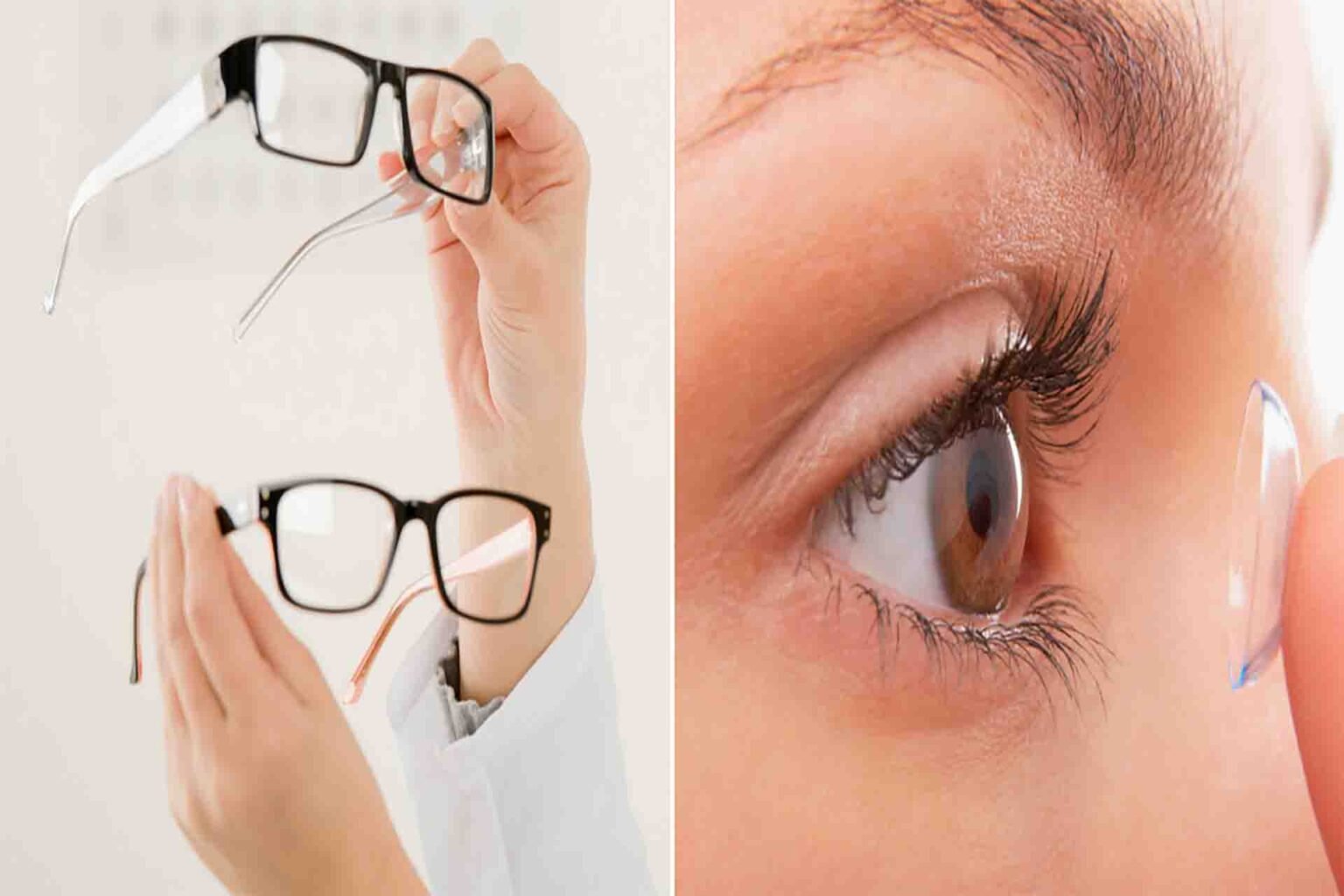
When I started looking for the cheapest optical glasses online instead of walking straight into a store, the first thing I noticed wasn’t the price difference. It was the time difference.


Online, no one is hovering. You can compare frames properly. You can look at the measurements instead of pretending you know what fits.
Those tiny numbers printed inside your current glasses? They matter. Lens width, bridge size, arm length. If a pair you already own fits comfortably, use those numbers as your anchor.
The first time I ignored that advice, I ordered frames that looked sharp in photos but felt slightly too wide in real life. I kept adjusting them. That constant push-up gesture becomes second nature, and it’s oddly exhausting.
A cheaper pair that fits well is better than an expensive pair that doesn’t.
Contact Lenses and the “Convenience Tax”
When you buy contact lenses online, the temptation is speed.
You run low. You panic. You order whatever you used last time without checking pricing or delivery options. That’s how small overspending adds up.
I realised I’d been paying extra simply because I left reordering too late. Express shipping fees. Limited stock choices. No time to compare.
If you wear lenses regularly, planning ahead is probably the easiest way to save money without changing anything else.
And think honestly about how you use them.
If you wear lenses every single day, certain longer-term options make sense. If you only wear them occasionally — nights out, events, sports — stocking up on large packs might actually waste money.
There’s no single “cheapest” option. It depends on your habits, not just the price per box.
The Myth of Add-Ons
I used to say yes to every upgrade because it sounded technical.
Blue light filter? Sure. Ultra-thin? Why not. Premium coating? Obviously.
But not everyone needs every add-on. If you spend ten hours a day on screens, some upgrades genuinely help. If you don’t, you might just be paying for reassurance.
Understanding your prescription helps here too. Mild corrections don’t always require the same enhancements as stronger ones.
It’s uncomfortable to admit, but sometimes we overpay because we’re afraid of choosing wrong.
Maintenance Is Boring, But It Works
The most unglamorous way to save money is also the most effective.
Stop cleaning glasses with your shirt. I know. Everyone does it. It feels convenient. But it shortens their life. Tiny scratches build up slowly until one day everything looks hazy and you blame the lenses instead of the habit.
Store them properly. Don’t leave them face-down on tables. Replace nose pads if they wear down instead of replacing the entire frame.
For contact lenses, follow the schedule. Stretching wear time might save a few pounds short term, but irritation or infection costs more.
The boring habits are what protect your budget.
It’s Not About Finding the Absolute Cheapest Option
There’s a difference between affordable and low quality.
The goal isn’t to hunt down the absolute lowest price and hope for the best. It’s to compare properly, understand your prescription, and avoid paying for panic or pressure.
Buying the cheapest optical glasses online can work well if you focus on fit and material instead of branding. Buying contact lenses online becomes more economical when you stop treating it as an emergency purchase.
Most overspending comes from urgency or habit, not necessity Clear vision shouldn’t feel like a luxury purchase. But it also shouldn’t be something you rush through without thinking.
Once I stopped assuming expensive meant safer, the decisions became simpler. And a lot less costly.