Today’s living spaces demand furniture that does more than just look good—it needs to deliver comfort, save space, and keep up with our increasingly connected lifestyles. Yet choosing the right recliner has become surprisingly complex. With hundreds of options flooding the market, each promising superior relaxation and cutting-edge features, finding the perfect fit for your home can feel overwhelming. Wall hugger recliners have emerged as a compelling answer for anyone navigating the realities of modern apartments, compact rooms, or thoughtfully designed living areas where every inch matters. These innovative chairs combine ergonomic engineering with space-efficient mechanics, and many now come equipped with power reclining systems and built-in USB ports that seamlessly integrate into your daily routine. Whether you’re working from home, streaming your favorite shows, or simply unwinding after a long day, the right wall hugger recliner transforms your space into a personal comfort zone. This guide is designed to help tech-savvy consumers like you cut through the noise, understand what truly matters in ergonomic recliner design, and make a confident, informed purchasing decision.
- Understanding Wall Hugger Recliners: Space-Saving Comfort for Modern Homes
- Essential Ergonomic Features for Optimal Relaxation and Health
- Integrating Technology: The Rise of Power and USB-Enabled Recliners
- Step-by-Step Guide to Choosing Your Perfect Ergonomic Wall Hugger Recliner
- Step 1: Assess Your Space and Personal Needs
- Step 2: Evaluate Ergonomic Design and Build Quality
- Step 3: Consider Technology Add-ons and Budget
- Step 4: Research, Test, and Compare Options
- Making Your Wall Hugger Recliner Investment Count
Understanding Wall Hugger Recliners: Space-Saving Comfort for Modern Homes
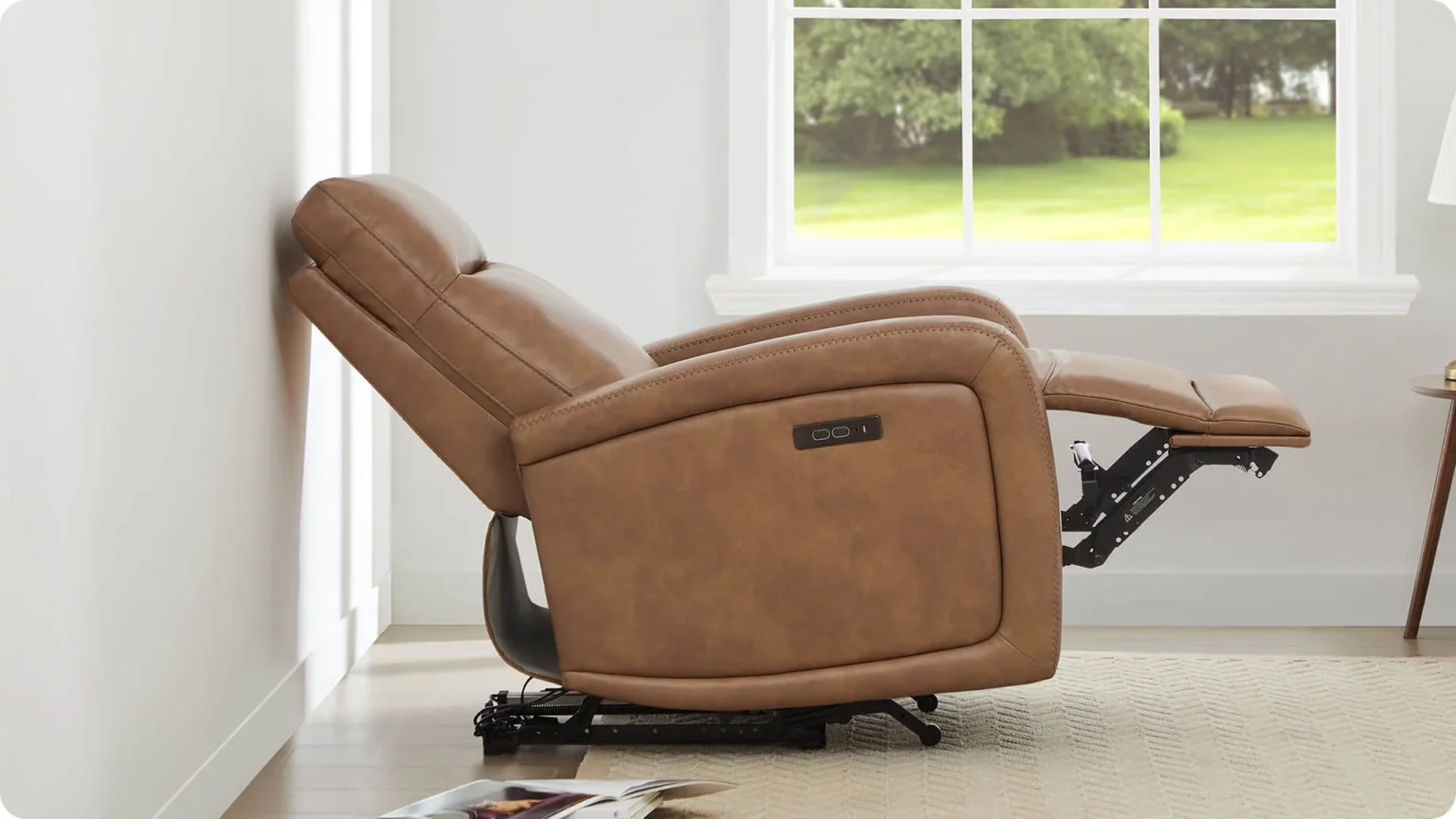
Wall hugger recliners are engineered to recline fully while positioned just a few inches from the wall, unlike traditional recliners that require a foot or more of clearance behind them. The secret lies in their forward-gliding mechanism—when you activate the recline function, the chair slides its base forward rather than tilting the entire frame backward. This clever design means you can place the chair nearly flush against a wall and still enjoy a full recline without bumping into anything behind you. For anyone furnishing a compact apartment, a multi-purpose guest room, or a streamlined modern living room, this distinction is a game-changer. Traditional recliners can eat up valuable floor space and disrupt traffic flow, but wall huggers maintain a tight footprint regardless of position. As modern living room furniture continues to evolve toward multifunctional, space-conscious design, wall hugger recliners have become essential pieces rather than niche alternatives. They fit naturally into open-concept layouts, home offices, and media rooms where maximizing usable square footage is a top priority. Their growing popularity reflects a broader shift in how we think about furniture—not just as decorative objects, but as intelligent solutions that adapt to the constraints and demands of contemporary life.
Essential Ergonomic Features for Optimal Relaxation and Health
An ergonomic recliner isn’t just about sinking into softness—it’s about supporting your body in ways that promote genuine physical well-being over hours of use. When you spend significant time in a chair, whether reading, working remotely, or recovering from a long day, the design details directly influence how your spine aligns, how your muscles relax, and how refreshed you feel when you stand up. Understanding these core ergonomic aspects separates a truly beneficial recliner from one that simply looks comfortable in a showroom.
Key Ergonomic Components to Look For
Adjustable lumbar support sits at the top of any ergonomic checklist. Your lower back has a natural inward curve, and a recliner that actively supports this curvature prevents the slouching that leads to chronic pain. Look for models offering independently adjustable lumbar mechanisms rather than fixed padding. Multiple reclining positions matter equally—a chair that locks into only two or three angles limits your ability to find the sweet spot for different activities. High-density foam or memory foam cushioning distributes your weight evenly, reducing pressure points at the hips and shoulders. The frame design itself should accommodate your height and body proportions, with a headrest that cradles your neck without pushing it forward and armrests positioned at a height that lets your shoulders drop naturally.
Benefits of Ergonomic Design in Daily Use
The long-term health advantages of ergonomic recliners extend well beyond immediate comfort. Proper spinal alignment during rest periods reduces cumulative stress on intervertebral discs, lowering the risk of developing degenerative conditions over time. Users frequently report improved circulation in the legs when recliners offer appropriate elevation angles, which can alleviate swelling and fatigue. Stress relief is another measurable benefit—when your body isn’t fighting against poor positioning, your nervous system shifts more readily into a relaxed state, lowering cortisol levels and promoting better sleep quality. For those managing existing conditions like sciatica or arthritis, an ergonomically designed recliner can serve as a daily therapeutic tool that complements professional treatment.
Integrating Technology: The Rise of Power and USB-Enabled Recliners
The modern recliner has evolved far beyond a simple lever-operated chair. Today’s most sought-after models incorporate technology that reflects how we actually live—constantly connected, valuing convenience, and expecting our furniture to keep pace with our devices. For tech-savvy consumers, these integrated features aren’t luxury extras but practical necessities that determine whether a recliner truly fits into a connected lifestyle.
Advantages of Power Wall Hugger Recliners
Power wall hugger recliners replace manual levers and push-back mechanisms with quiet electric motors controlled by buttons or remote panels. This shift delivers several tangible advantages beyond mere convenience. The motorized system allows infinite positioning—you can stop at any angle rather than being locked into preset notches, making it far easier to dial in precisely the right recline for watching a screen, reading, or napping. The smooth, gradual motion is also gentler on joints, which matters significantly for older users or anyone recovering from surgery. Safety features built into quality power recliners include anti-pinch mechanisms that stop movement if resistance is detected, battery backup systems that return the chair to an upright position during power outages, and child-lock functions. Because the motor handles all the mechanical effort, power wall hugger recliners maintain their space-saving forward-glide motion with consistent precision, eliminating the jerky transitions that sometimes occur with manual models.
Convenience of Recliners with USB Ports
Built-in USB ports transform a recliner from a passive piece of furniture into an active part of your daily tech ecosystem. Positioned typically within the side panel or armrest, these charging ports let you power up smartphones, tablets, e-readers, or wireless headphones without stretching for a wall outlet or draping cables across the room. This integration aligns perfectly with how most people actually use their recliners—scrolling through news, video calling family, or controlling smart home devices from a seated position. Some higher-end models include both USB-A and USB-C ports to accommodate newer devices, and a few even offer wireless charging pads embedded in the armrest surface. When paired with voice-activated assistants or smart plugs, a USB-enabled recliner becomes a natural command center within a connected home setup, keeping your devices charged and accessible exactly where you spend your relaxation time.


Step-by-Step Guide to Choosing Your Perfect Ergonomic Wall Hugger Recliner
Knowing what features exist is one thing—actually narrowing down your choice requires a systematic approach. The selection process becomes far more manageable when you break it into distinct phases, each building on the last. Follow these steps to move from overwhelmed browser to confident buyer.
Step 1: Assess Your Space and Personal Needs
Start by measuring the exact spot where your recliner will live. Record the width available, the depth from wall to any furniture or walkway in front, and ceiling height if you’re considering a tall-back model. Even though wall huggers need minimal rear clearance, most still require three to six inches behind them and enough forward space for the base to glide out during recline. Beyond dimensions, think honestly about how you’ll use the chair most often. Someone who works from their recliner four hours daily has different support requirements than someone who uses it for thirty-minute evening wind-downs. Consider whether you share the chair with a partner or family member of a different height, which affects how critical adjustable features become. Identify your top comfort priorities—do you need elevated leg support for circulation issues, or is neck and shoulder relief your primary concern?
Step 2: Evaluate Ergonomic Design and Build Quality
With your needs defined, focus on construction quality and adjustability. Test how the lumbar support responds—can you increase or decrease firmness independently, or is it a static cushion? Check whether the headrest tilts or telescopes to accommodate your seated height. Run your hands along the frame joints and base mechanism to assess sturdiness; a quality recliner should feel solid without any wobble or creaking during transitions. Upholstery material matters for both durability and comfort—top-grain leather breathes well and ages gracefully, while performance fabrics resist stains and suit households with children or pets. Brands like Chitaliving, known for their craftsmanship in wooden furniture, demonstrate how solid frame construction using quality hardwood contributes to long-term recliner durability and stability. Examine the foam density by pressing into the seat cushion; it should compress under pressure but spring back immediately rather than leaving a lasting impression. Pay attention to the armrest padding and width, since thin or poorly positioned arms create shoulder tension over extended sitting sessions.
Step 3: Consider Technology Add-ons and Budget
Decide which tech features are genuine necessities versus nice-to-haves for your lifestyle. If you have mobility limitations or simply value precision positioning, a power reclining motor moves from luxury to essential. USB ports make sense if your recliner sits away from convenient outlets or if you regularly use devices while seated. Some models offer heated seat elements or massage functions—appealing features, but they add mechanical complexity that could require maintenance down the road. Set a realistic budget that accounts for the longevity you expect from the chair. A well-built ergonomic wall hugger recliner with power functionality represents an investment in daily comfort that typically lasts eight to twelve years, so calculating cost-per-year often justifies spending more upfront for superior materials and engineering.
Step 4: Research, Test, and Compare Options
Before committing, gather information from multiple sources. Read verified buyer reviews focusing on long-term ownership experiences rather than initial impressions—look for comments about how cushioning holds up after six months or whether motors remain quiet after regular use. Visit furniture showrooms whenever possible to physically sit in your shortlisted models for at least ten to fifteen minutes each, cycling through different recline positions. Bring your phone to test USB port placement and accessibility. Compare at least three brands side by side, noting differences in warranty coverage, return policies, and customer service reputation. A generous warranty on the motor and frame signals manufacturer confidence in their product’s durability. Finally, confirm delivery logistics—some recliners arrive fully assembled while others require setup, and knowing this in advance prevents surprises on delivery day.
Making Your Wall Hugger Recliner Investment Count
Choosing the best ergonomic wall hugger recliner comes down to understanding how space-saving design, thoughtful ergonomic engineering, and integrated technology work together to support your daily life. The right chair does more than fill a corner—it actively promotes better posture, reduces physical strain, and keeps your devices powered exactly where you need them. By assessing your space constraints, prioritizing the ergonomic features that address your specific comfort needs, determining which technology integrations genuinely serve your lifestyle, and thoroughly researching your options through reviews and hands-on testing, you transform a potentially overwhelming purchase into a deliberate, satisfying decision. The steps outlined in this guide give you a clear framework to evaluate any wall hugger recliner on the market with confidence, filtering out marketing hype and focusing on what delivers real, lasting value. Your living space deserves furniture that works as intelligently as you do—apply these principles, trust your own comfort assessment, and invest in a recliner that elevates both your well-being and your home for years to come.