Are you thinking about getting a tattoo but feel overwhelmed by all the styles out there? Maybe you want your ink to mean something special or show off where you come from. Many people struggle to pick designs that are both stylish and unique.
- The Connection Between Local Art and Tattoo Styles
- Cultural Influences on Tattoo Symbolism
- How Geography Shapes Regional Tattoo Trends
- The Role of Street Art in Modern Tattoo Designs
- Traditional Art Forms Revived in Tattoos
- Fusion of Global and Local Tattoo Styles
- The Impact of Local Festivals and Events on Tattoo Trends
- How Tattoo Artists Incorporate Community Identity
- Technological Advancements Supporting Local Art Expression
- Challenges in Preserving Cultural Authenticity in Tattooing
- Conclusion
Did you know that local art culture shapes many modern tattoo trends? Artists often look at hometown murals, street art, and old traditions for inspiration. This helps make tattoos that match community identity while also keeping up with today’s style.
This blog will explain how local art styles influence body art now. You will learn why certain symbols and colors are popular in some places, how new artists mix global ideas with local flavor, and what makes each region’s tattoos stand out.
Discover fresh ways to express yourself through body art as you read on!
The Connection Between Local Art and Tattoo Styles
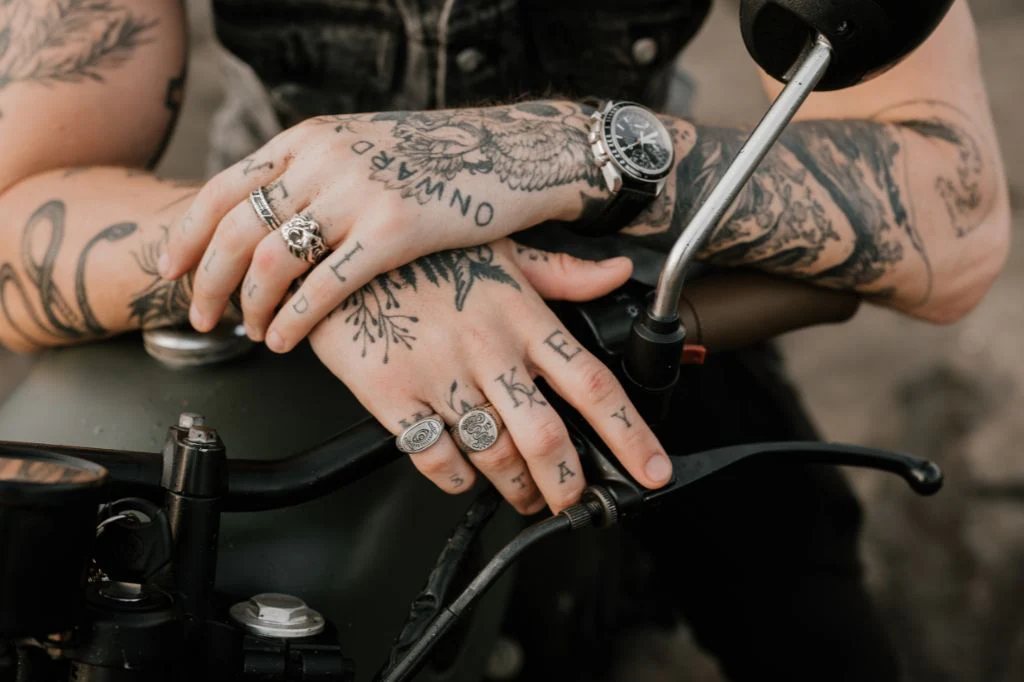
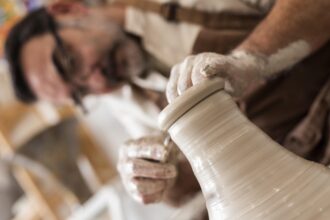
Local art shapes tattoo styles in clear ways. Artists often use patterns and symbols from nearby murals, textiles, or pottery in their ink designs. For example, a tattoo artist in New Mexico may add Pueblo geometric motifs to body art.
In Japan, tattoos might show cherry blossoms and waves like those seen in woodblock prints.
Colors can reflect local palates as well. Tattoo trends change based on what people see around them each day. Social media spreads these local influences fast across cities and regions.
Local festivals also inspire unique themes that appear in contemporary designs on skin as fresh expressions of identity and heritage.
Cultural Influences on Tattoo Symbolism
Symbols in tattoos often reflect the heritage and beliefs of a community. Polynesian body art uses patterns like waves and turtles to show family ties or protection. Japanese ink features koi fish, cherry blossoms, and dragons that mean strength, beauty, or wisdom.
Mexican tattoo styles use sugar skulls from Día de los Muertos as signs of remembrance for loved ones. Each symbol carries stories handed down through families.
Artists adapt old meanings to fit modern self-expression. For example, people now blend traditional motifs with contemporary design trends found on social media or street art scenes.
A simple lotus flower might combine Indian spiritual ideas with bold color palettes seen in global pop culture. “Tattoos serve as an ever-changing canvas for identity,” says Los Angeles artist Maya Rivera.
Symbols change over time but keep their cultural influence strong in today’s body art and tattoo trends.
How Geography Shapes Regional Tattoo Trends
Geography plays a significant role in tattoo trends. Each area has its own history and culture that influence tattoo styles. For example, coastal cities may lean towards ocean-themed tattoos.
These designs often reflect local wildlife or maritime traditions.
Inland regions might favor symbols tied to nature or agricultural life. Local festivals also shape these trends by showcasing unique designs that celebrate community heritage. Artists observe their surroundings to create work that connects with people’s identities and values in their region.
This results in rich, meaningful body art that tells local stories through ink.
The Role of Street Art in Modern Tattoo Designs
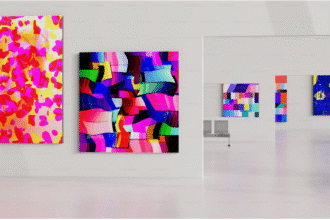
Street art plays a significant role in today’s tattoo designs. Artists draw inspiration from murals and graffiti around them. Bright colors and bold patterns found on city walls often appear in tattoos.
These designs reflect both urban life and personal stories.
Many tattoo artists utilize street art to express their identity or community pride. They blend traditional motifs with modern styles, creating unique pieces of body art. This mix helps clients express themselves in ways that resonate with their roots.
Street art influences tattoos and connects communities through shared aesthetics and creativity.
Local festivals and events create new opportunities for artists to showcase their work while inspiring fresh tattoo trends.
Traditional Art Forms Revived in Tattoos
Street art often reflects local culture. This connection extends to tattoos, where traditional art forms come alive. Many tattoo artists draw inspiration from older styles of painting and crafts.
They bring back motifs from various cultures, mixing them with modern designs.
These traditional art forms add depth to body art. Symbols and patterns become a way for people to express their heritage. For example, tribal designs tell stories of ancestry and identity.
Artists embrace these themes in their work, creating pieces that honor the past while appealing to contemporary tastes. Using traditional elements helps keep cultural practices vibrant in today’s world of inked expression.
Fusion of Global and Local Tattoo Styles
Tattoo styles today mix global and local influences. Artists blend traditional motifs from different cultures with modern designs. This fusion creates unique body art that speaks to many people.
For example, a tattoo might combine Japanese waves with American bold lines. Such blends show how tattoos can tell personal stories while honoring cultural roots.
Social media plays a big role in this mix. People share their tattoos online, showcasing designs from around the globe. Trends spread quickly through these platforms, inspiring artists and clients alike.
Local festivals also highlight these connections, celebrating diverse artistic expressions in body art. Next, we will explore the impact of local festivals and events on tattoo trends.
The Impact of Local Festivals and Events on Tattoo Trends
Local festivals and events play a big role in shaping tattoo trends. Many artists showcase their work at these gatherings. This brings together different styles and ideas. People often get inspired by the art they see during these events.
Festivals also create a sense of community. They celebrate local culture and heritage through body art. Visitors may choose tattoos that reflect what they experience at these events.
Artists use this opportunity to explore new designs and themes, mixing tradition with modern influences in their work.
How Tattoo Artists Incorporate Community Identity
Tattoo artists often reflect the stories of their communities through body art. They draw inspiration from local culture, history, and traditions. Many use symbols that hold special meaning for the people around them.
This connection helps to create a sense of belonging and pride among community members. For instance, an artist might feature local landmarks or cultural icons in their designs. These choices help tell unique stories about heritage and identity.
Besides symbolism, tattoo artists engage directly with their audience. They participate in community events like fairs or festivals to build relationships. These gatherings provide opportunities for clients to share personal stories and ideas about tattoos they want.
Artists listen closely to what the community values most in art; this input shapes new trends in tattoo styles. As artists bring these elements together, they enrich their work while celebrating shared experiences within their neighborhoods.
The next section will explore how technological advancements support local art expression.
Many individuals are also exploring the world of getting a piercing as a complementary form of self-expression alongside their tattoos.
Technological Advancements Supporting Local Art Expression
Technology plays a key role in local art expression. Artists now use digital tools to create and share their work. Tablets and design software help tattoo artists sketch ideas quickly.
This ease of creation leads to fresh tattoo styles that reflect local culture.
Social media allows artists to show their designs to a wider audience. Platforms like Instagram help connect them with clients from around the world. People find inspiration for body art through these online channels, blending traditional motifs with contemporary styles.
The influence of technology fosters creativity while shaping modern tattoos today.
Moving forward, festivals highlight cultural themes in tattoos and showcase these trends more widely.
Challenges in Preserving Cultural Authenticity in Tattooing
Cultural authenticity in tattooing faces many challenges. Many designs and motifs come from deep cultural roots. Artists often adapt these symbols for modern tastes, leading to changes in meaning.
Some people may feel that altering traditional designs is disrespectful. This tension can create conflict among artists and communities.
Social media also plays a role in this issue. It spreads trends quickly but can dilute original meanings of tattoos. Artists may feel pressured to follow popular styles instead of honoring their heritage.
Maintaining the balance between innovation and respect for tradition is crucial for tattoo culture today. Local festivals highlight these tensions as well; they celebrate heritage while showcasing contemporary designs that challenge old norms.
Understanding how local art influences today’s tattoo trends helps shed light on these challenges ahead of us.
Conclusion
Local art culture plays a big role in today’s tattoo trends. It brings unique styles and ideas to life. Artists draw from local history and community symbols. Festivals also inspire new designs.
This mix makes tattoos a true form of self-expression for many people.