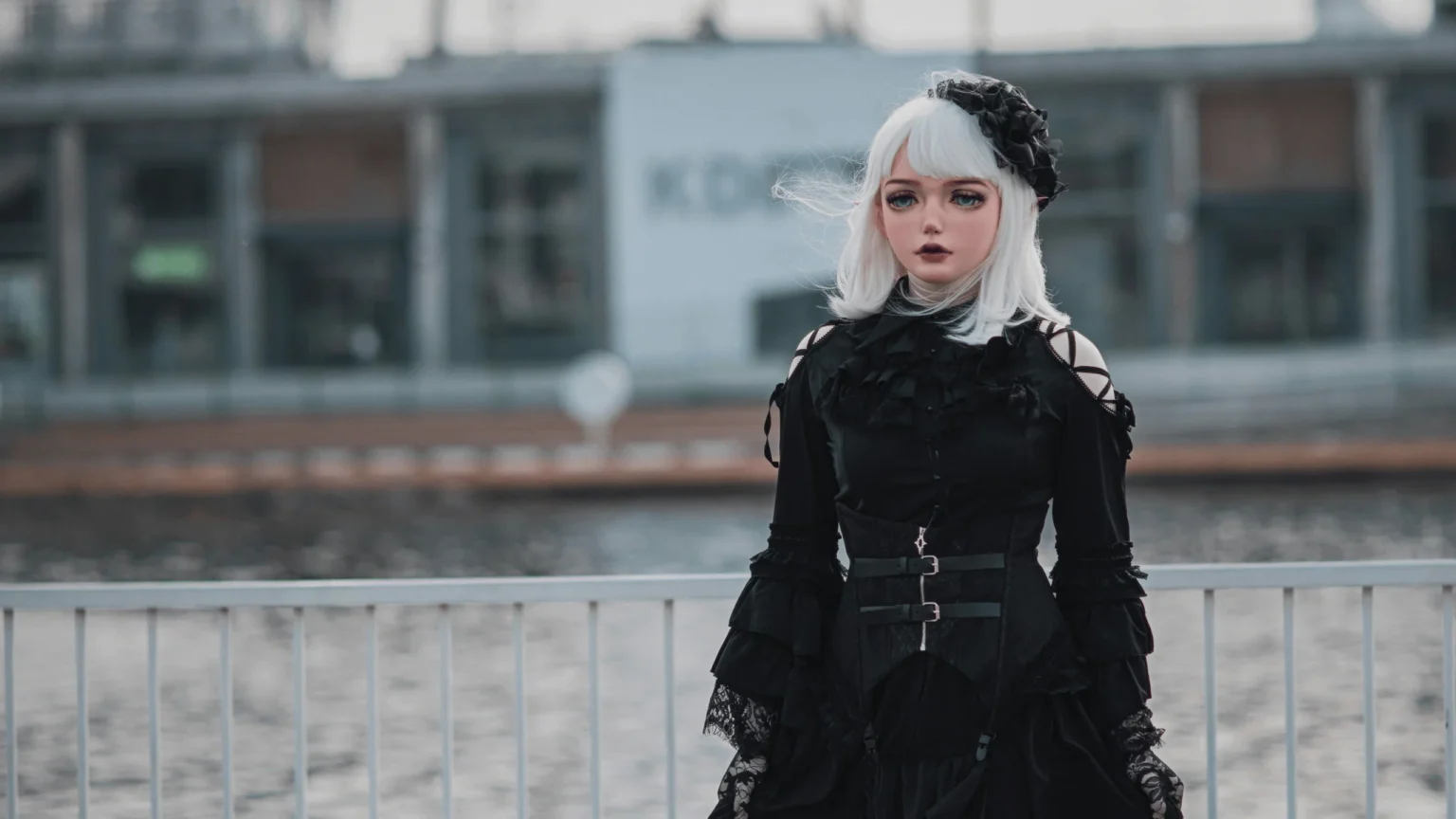
Fashion is full of trends and crazes, but gothic clothes have been an influencer in the fashion industry that has to be taken seriously over the decades. The history of gothic clothing dates back to the post-punk movement of the late 1970s to the present day, when this style of clothing has become so widespread that it is present in street fashion or high-end merchandising. Be it a long-term fan or simply interested in knowing what the style has to sell, becoming familiar with gothic apparel would mean going well beyond the all-black clothes to a rich cultural heritage.
History of the Gothic Fashion
The gothic fashion originated in England during the early 1980s, as a subculture of gothic rock. The bands like Siouxsie and the Banshees, The Cure and Bauhaus did not only define a new sound but they also invented a new visual language that was avidly adopted by their audience. These were sombre and melodramatic, and very intimate, a reaction against the light and commercial culture of the mainstream pop of the time. It evolved and became diversified with the years, including the elements of Victorian mourning dress, medieval imagery, horror literature, and even high end designer fashion.
Noteworthy details of Gothic Clothing
There are a few classic pieces of clothes that define the originally gothic clothes. The most noticeable and monotonic element is the color black but deep purples, burgundies, forest greens, and midnight blues are another aspect that counts. The materials like velvet, lace, leather, and mesh are the standard of the style and they bring texture and theatrics to the routine wardrobe. Silhouettes are bent towards the structured and flowing with long coats, corsets, overlaying skirts and fitted trousers being common.
The accessories are also important in attaining a gothic look. Big silver jewelry, crowned with crosses, skulls, moons and occult symbols are in demand. Platform shoes and pointy heels give height and some sort of authority. Fishnet stockings, large-brimmed hats, long chokers are all the finishing touches, and individuals may mix, match them to create their own version of the trend.
The Multiple Faces of Gothic Style
This is one of the most interesting facts about gothic fashion: it has become so various. There is no standardized uniform that determines the appearance and the different subgenres have developed their own interpretations of the aesthetic. Trad goths tend to stick close to the original influence of the 1980s with teased hair, smudged eyeliner and band tees. Victorian goths prefer the beauty of the 19th century fashion where corsets, high necks, and lacework were used to give the look.
Pastel goths integrate heavy topics with light pinks and lilacs and is a light-hearted alternative to the darker goth sub-cultures and now has an extensive following.
It has the prospective element of Cyber goths with neon accents, industrial material, synthetic dreadlocks as an ingredient of futurism. Literary influences on romantic goths include Lord Byron and Poe, and also bent towards flowing clothes and sorrowful beauty. It is this diversity that rendered the gothic clothes indeed wide enough to include a large number of people, and each one of them can find a variant of the style in which they feel represented and authentic.
Gothic Fashion Outside
Gothic clothes have long ago shed their subculture status and made a significant shift in the mainstream fashion. Gothic inspiration is also extensively used by such big designers like Alexander Mcneen, Rick Owens and Ann Demeulemeester in their collections, offering the world of fashion shows the element of dark romanticism. Demand has also been fulfilled by retailers, and gothic-inspired work is becoming more common in fast fashion lines and in department lines, as well as more upscale separate lines.


Social media has made a massive contribution to this mainstreaming. Instagram, Tik Tok, and Pinterest tools have enabled the gothic fashion followers to have an international platform to express their style, build their community, and inspire the new generations. The subculture which used to be underground has come to be a successful and available component of the mainstream fashion discourse.
Why Gothic Apparel Endures
The undying appeal of gothic clothes cannot be diluted to aesthetics. It is their self expression to the majority of people that allow them to embrace themes of beauty, darkness, mystery and uniqueness in a world that is inclined towards conformity. It is purposefully trendy, and every article chosen has a meaning and every outfit has a history. Gothic clothes are not fashionable, they establish and determine their trends independently.
There is something quite special about Gothic fashion whether you are willing to be entirely invested (or not) in the fashion style or just incorporate a few dark and dramatic touches into your already existing wardrobe. It is a style that has gone through decades of changing trends with not the slightest signs of fading away, and it does not show the signs of dying in any way.