Introduction
Maintaining a healthy and fulfilling lifestyle often requires finding the right balance between rest and activity. While relaxation allows the mind and body to recover from daily stress, mentally engaging activities help keep cognitive skills sharp and provide a sense of purpose. Many people assume these two goals are at odds with one another, but in reality, they work together to support overall well-being.
As individuals move through different stages of life, especially during retirement, balancing relaxation with intellectual stimulation becomes increasingly important. Too much inactivity can lead to boredom and reduced motivation, while an overly busy schedule can leave people feeling overwhelmed. The key is creating a routine that allows for both rejuvenation and meaningful engagement. By understanding the value of each, individuals can enjoy improved mental health, greater satisfaction, and a higher quality of life.
The Importance of Allowing Time for Relaxation
Relaxation is often underestimated in today’s fast-paced world. Many people feel pressure to remain productive at all times, but continuous mental activity can eventually result in fatigue and stress. The brain, much like the body, benefits from periods of rest that allow it to recover and recharge.
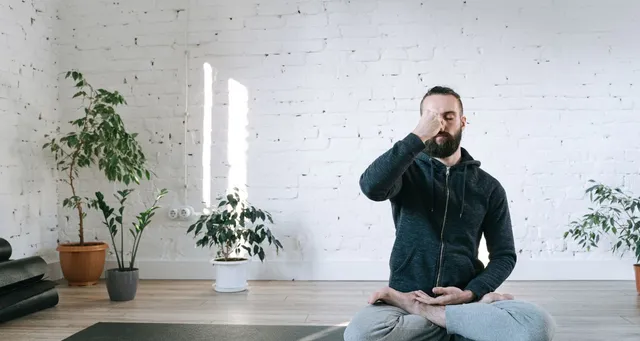
Relaxation can take many forms. Some individuals enjoy reading a favorite novel, listening to music, spending time in nature, or simply sitting quietly with a cup of coffee. These activities help reduce stress levels and create moments of calm that improve emotional well-being.
Research has consistently shown that stress management is an important part of maintaining both physical and mental health. When people regularly incorporate relaxation into their routines, they often experience improved mood, better sleep, and increased resilience when facing life’s challenges. Relaxation is not a sign of inactivity. Rather, it is a valuable component of a healthy lifestyle.
Why Mental Engagement Matters
While relaxation provides recovery, mental stimulation helps keep the mind active and challenged. Engaging in activities that require critical thinking, creativity, or problem-solving can contribute to cognitive health and provide a sense of accomplishment.
Mentally engaging activities come in many forms. Learning a new language, solving puzzles, playing strategy games, attending educational classes, or exploring a new hobby can all stimulate the brain. Even social conversations can offer valuable mental exercise by encouraging communication, memory recall, and critical thinking.
The benefits extend beyond cognitive function. Engaging activities often provide individuals with goals and achievements that enhance self-esteem. Successfully learning a new skill or completing a challenging project can boost confidence and reinforce a sense of personal growth. This ongoing development can be particularly rewarding during retirement when many people have more flexibility to explore new interests.



Creating a Healthy Balance Between Rest and Activity
Finding balance does not mean dividing time equally between relaxation and mental engagement. Instead, it means understanding personal needs and creating a routine that includes both elements in a way that feels sustainable.
Some people thrive on structured schedules that include designated times for exercise, learning, social activities, and relaxation. Others prefer a more flexible approach. The important factor is ensuring that neither relaxation nor stimulation completely dominates daily life.
For example, someone might spend the morning participating in a discussion group, take a leisurely walk after lunch, and enjoy a relaxing evening reading or watching a favorite movie. This combination allows the mind to stay active while also providing opportunities for rest.
Balance also requires listening to one’s body and mind. Some days may call for additional relaxation, while others may present opportunities for deeper engagement. Adapting to these changing needs can help maintain long-term well-being without creating unnecessary stress.
The Role of Social Connections in Mental Wellness
Social interaction serves as a unique bridge between relaxation and mental engagement. Spending time with others can be enjoyable and restorative while also stimulating the brain through conversation and shared experiences.
Friendships and community involvement provide opportunities to exchange ideas, learn new perspectives, and develop meaningful connections. These interactions can reduce feelings of loneliness while fostering a stronger sense of belonging and purpose.
Many senior communities recognize the importance of combining social opportunities with intellectual enrichment. Residents often participate in group activities, educational programs, hobby clubs, and community events that encourage both enjoyment and cognitive stimulation. For individuals considering assisted Living in San Antonio, these opportunities can play an important role in maintaining a balanced lifestyle that supports emotional and mental wellness.
Regular social engagement also helps individuals stay connected to the world around them. Whether through volunteering, attending local events, or participating in community organizations, maintaining relationships can have a profound positive impact on overall happiness.
Building Sustainable Habits for Long-Term Well-Being
Creating balance is not about achieving perfection. It is about developing habits that support long-term health and happiness. Small, consistent choices often have a greater impact than dramatic lifestyle changes.
One effective strategy is to schedule activities that provide both enjoyment and mental stimulation throughout the week. This might include attending workshops, joining book clubs, practicing creative hobbies, or exploring educational opportunities. At the same time, it is equally important to reserve moments for relaxation and reflection.
Variety also plays an important role. Rotating between different activities can prevent routines from becoming repetitive while encouraging continued growth and curiosity. Individuals who maintain diverse interests often find it easier to remain motivated and engaged.
Perhaps most importantly, balance should be personalized. What feels relaxing or mentally stimulating will differ from person to person. By identifying activities that align with personal interests and energy levels, individuals can create routines that remain enjoyable and sustainable over time.
Conclusion
Finding balance between relaxation and mentally engaging activities is essential for maintaining overall well-being. Relaxation provides the opportunity to recover from stress and restore energy, while cognitive challenges encourage growth, curiosity, and a sense of achievement. Together, these elements create a foundation for a healthier and more satisfying lifestyle.
Whether through hobbies, social interactions, learning opportunities, or quiet moments of reflection, balancing rest and engagement can improve emotional health, mental sharpness, and overall quality of life. By making intentional choices and embracing activities that bring both enjoyment and purpose, individuals can cultivate a lifestyle that supports lasting wellness and fulfillment.