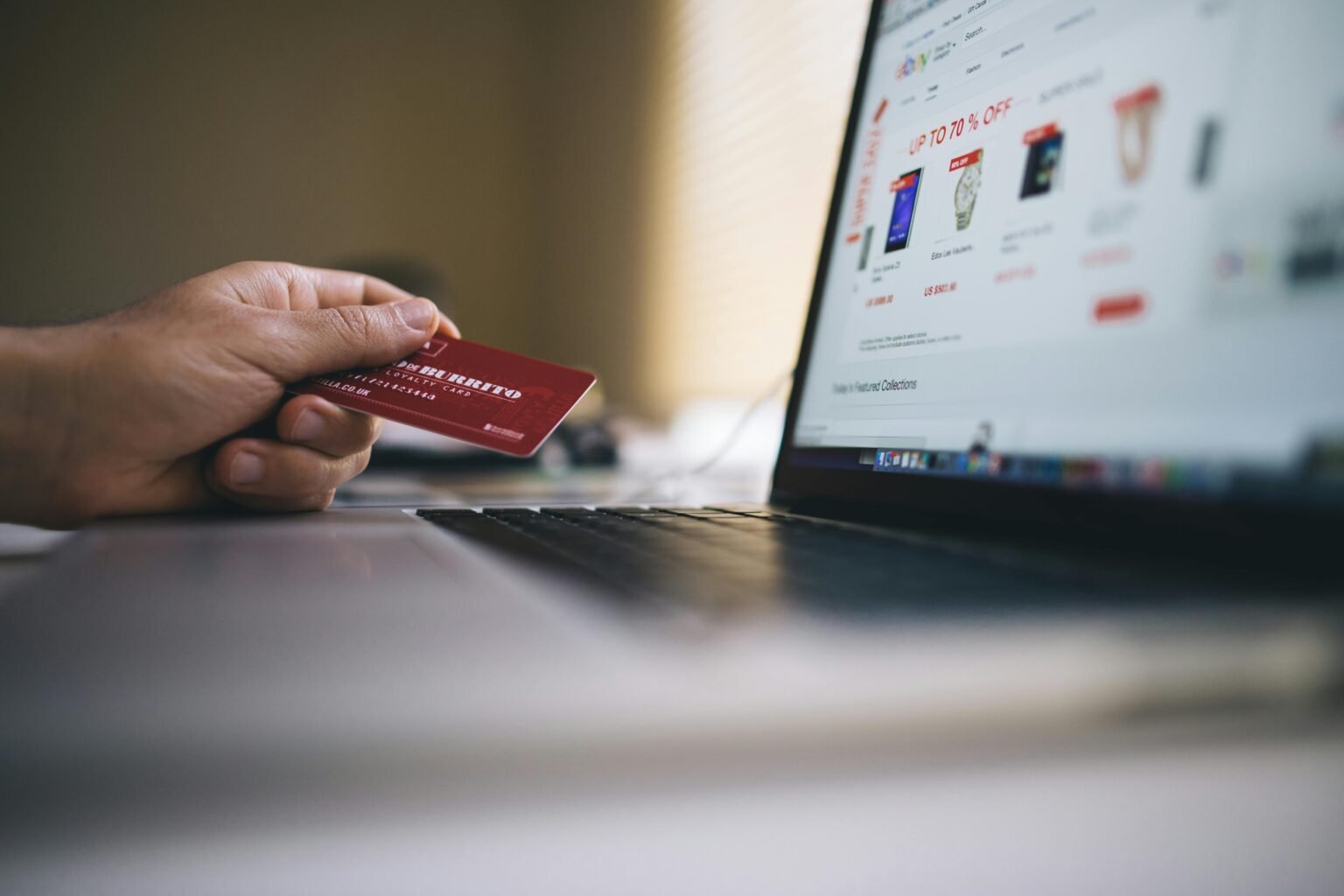
Online payment methods have multiplied like crazy over the past few years. Credit cards used to be the main game, but now? Merchants deal with wallets, bank transfers, installment plans, and more options than most can count. Each one comes with different fees, security features, and customer preferences. Getting eCommerce payment processing right means understanding what your buyers actually want to use.
European e-commerce keeps climbing. Sales projections show online shopping will grab 21% of the retail market by 2029. More sales bring tougher competition. Customers won’t tolerate slow checkouts or limited payment choices anymore. They expect fast, secure transactions that don’t make them jump through hoops.
Payment Methods Taking Over
Around 54% of online purchases now go through Apple Pay, Google Pay, or PayPal. These platforms have grown fast because paying with your phone or saved account takes seconds. No digging for your wallet. No typing sixteen numbers plus security codes.
Speed matters, sure. But there’s more to it. These companies invested heavily in fraud prevention and encryption. Your fingerprint or face unlocks the payment, not a password someone could steal. Effective eCommerce payment processing happens automatically while you’re checking out.
Germany offers an interesting case. Most Germans use debit cards instead of credit cards, which traditionally caused problems for online shopping. Digital wallets fixed this by letting people add their debit cards to Apple Pay or Google Pay. Suddenly, debit card users could shop online without hassles. Problem solved, adoption jumped.
What this means for online stores:
- One-click payments aren’t optional anymore
- Mobile checkout needs to work perfectly
- Wallet support directly reduces cart abandonment
- Biometric verification should be standard
Bank Transfers Make a Comeback
Something unexpected happened recently. Direct bank-to-bank payments—often called “Pay by Bank”—started gaining serious traction within eCommerce payment processing ecosystems. These transactions skip card networks entirely, moving money straight from customer accounts to merchant accounts. The volume will hit $1.4 trillion this year.
Why the sudden interest? Money. Card processors charge 1.5% to 3.5% per transaction. Bank transfers? Maybe 10 or 20 cents flat. A store processing $100,000 monthly could save thousands in fees by offering this option.


There’s another angle too. Bank transfers settle immediately. The money shows up in your account within seconds, confirmed and final. No three-day wait. Chargebacks become rare because customers authorize transfers directly through their bank apps. The sale is done, period.
Customer feedback has been positive. About 75% of people who try Pay by Bank will use it again. They like avoiding fees and knowing the payment went through instantly. Stores that added this to their eCommerce payment processing early are seeing both lower costs and better customer satisfaction scores.
Technology Reshaping Checkout
Generic checkout pages don’t cut it anymore. Modern eCommerce payment processing uses algorithms to show different options based on who’s shopping. A returning customer in Germany might see Giropay featured prominently. Someone browsing on mobile in Singapore gets local wallet options first. High-value purchases might trigger Buy Now, Pay Later choices.
This personalization runs automatically. The system checks location, device type, purchase history, and browsing behavior in fractions of a second. Each customer sees a checkout that feels like it was built for them specifically.
Fraud detection improved dramatically too. Old security systems used rigid rules—flag purchases from certain countries, block unusually large orders, reject mismatched addresses. These rules caught some fraud but also declined plenty of legitimate customers. Modern systems use pattern recognition instead. They analyze millions of transactions to spot genuinely suspicious behavior while letting normal purchases through.
Going Global Without the Headache
Shoppers expect to buy from anywhere now. Geographic borders don’t matter to them. They want to pay in their own currency, use their preferred payment method, and receive their order without complications. Making this work is harder than it sounds.
Cross-border payment challenges:
- Currency conversion at fair rates
- Local payment methods vary by country
- Different regulations in each market
- Managing exchange rate risks
Good eCommerce payment processing solutions handle this complexity automatically. They integrate payment methods popular in each country, manage compliance with local laws, convert currencies at reasonable rates, and adjust fraud screening for different markets. Without this infrastructure, international expansion remains theoretical.
Buy Now, Pay Later Grows Up
Installment payment plans remain popular, especially in Europe, where companies like Klarna pioneered the model. Shoppers like splitting purchases into smaller payments instead of charging everything to a credit card. The payment schedule is clear upfront, which appeals to people watching their budgets.
Regulations changed recently, though. EU rules now require proper credit checks and transparent disclosure of terms. This adds compliance costs and slows down the breakneck growth BNPL saw in earlier years. But the demand hasn’t disappeared. Younger buyers particularly want flexible payment options. BNPL isn’t going anywhere—it’s just becoming more regulated and responsible.
What Customers Expect Now
Refunds That Don’t Drag On
Instant payments created instant expectations for refunds too. Almost half of shoppers now expect their money back within a minute of initiating a return. Compare that to the old standard of three to five business days. The gap between expectations and reality causes frustration.
Quick refunds solve a major pain point. Customer service teams spend less time answering “where’s my money?” tickets. Returns get processed faster. Buyers trust stores more when their eCommerce payment processing partner can issue refunds promptly. The technology exists—Germany processes 99% of payments instantly already—so there’s no technical excuse for slow refunds anymore.
Smoother Identity Verification
By the end of 2026, the European Digital Identity Wallet will be available across the EU. This government-backed system lets people store verified personal information digitally and share it when needed. Instead of filling out forms repeatedly, shoppers can authorize sharing specific details from their wallet.
Benefits for online merchants:
- Instant age verification for restricted products
- Faster account setup with pre-verified information
- Better fraud protection through confirmed identities
- Privacy-preserving data sharing
Identity verification and eCommerce payment processing are merging. Confirming who someone is and processing their payment will happen in one smooth action instead of two separate steps. Stores get better security. Customers get faster checkout. Everybody wins.
The Road Forward
Autonomous AI agents will probably change shopping more than most people realize. These systems can browse options, compare prices, and complete purchases without someone clicking buttons at each step. Projections suggest this could reshape trillions in retail spending over the next decade.
Payment systems need to adapt. Automated transactions, instant confirmations, and machine-readable receipts all become requirements. The technical lift is real, but stores that prepare early will have major advantages.
Here’s the thing: eCommerce payment processing stopped being just infrastructure. It’s a competitive tool now. Stores offering wallets, bank transfers, personalized checkout, and instant refunds before their competitors will grab market share. Customers remember when checkout works smoothly and when it doesn’t.
Choosing payment partners matters a lot. You need providers that support today’s payment methods while preparing for tomorrow’s changes. They should work across multiple countries, offer detailed analytics, and handle regulatory updates without you needing to lift a finger.