Frequent travelers know that luggage goes through a lot. Between crowded overhead bins, rough baggage handling, and constant movement through airports, durability quickly becomes one of the most important factors when choosing a suitcase. One of the biggest decisions travelers face is whether hard shell or soft-sided luggage holds up better over time.
The answer depends on your travel habits, packing style, and what you prioritize most—protection, flexibility, or long-term wear resistance. Both styles offer unique advantages, especially for travelers who spend a significant amount of time on the go.
Flexibility and Overpacking Capacity
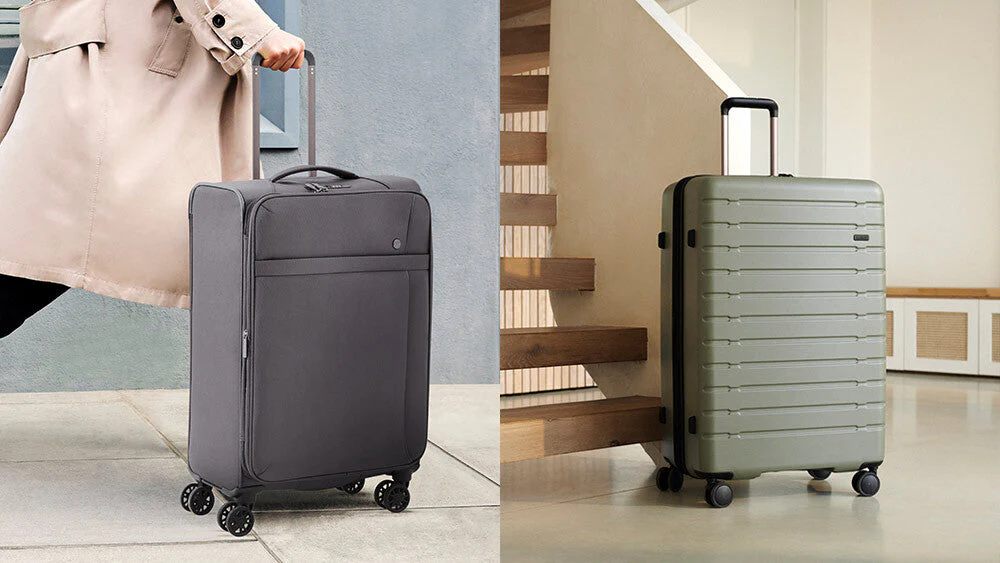
One of the biggest strengths of soft-sided luggage is flexibility. A high-quality soft sided carry on luggage option can expand slightly to accommodate extra items, making it ideal for travelers who tend to pack more than planned. This added flexibility is especially useful for return trips when souvenirs, shopping purchases, or additional layers need extra room.
Soft-sided luggage also tends to fit more easily into tight spaces. The fabric exterior can compress slightly, making it easier to maneuver into overhead compartments or packed car trunks. Exterior pockets add another level of convenience, giving travelers quick access to essentials like chargers, travel documents, or snacks without opening the entire bag.
In contrast, hard shell luggage offers structure and protection. The rigid exterior helps prevent items from being crushed during transit, making it a strong choice for travelers carrying electronics, fragile items, or carefully packed outfits. Hard shell luggage also maintains its shape regardless of how full it is, helping travelers stay organized throughout their trip.
For those who travel frequently for different purposes—business trips, weekend getaways, or longer vacations—a coordinated luggage set can offer the versatility needed to switch between styles and sizes depending on the destination and duration.
Long-Term Wear and Tear
Durability over time is where the hard shell versus soft-sided debate becomes more nuanced. Hard shell luggage is built to withstand impact and rough handling. Materials like polycarbonate and ABS are designed to absorb pressure while protecting the contents inside. This makes hard shell cases particularly appealing for air travel, where luggage often experiences more aggressive handling.
However, hard shell luggage can show cosmetic wear over time. Scuffs and scratches are common, especially for travelers who fly frequently. While these marks usually don’t affect functionality, some travelers prefer a cleaner appearance.



Soft-sided luggage, on the other hand, may hide scratches better but can be more vulnerable to fabric wear, moisture, and stains after extended use. Over time, frequent friction or overpacking can put stress on zippers and seams if the bag isn’t designed with durability in mind.
Weight is another important factor for long-term travel comfort. Many modern luggage options prioritize lightweight construction, helping travelers stay within airline restrictions while making transportation easier overall.
Ultimately, the best luggage for frequent travelers comes down to personal preference and travel priorities. Hard shell luggage excels in structure and protection, while soft-sided luggage offers flexibility and convenience. By understanding the strengths of each style, travelers can choose luggage that not only lasts through repeated trips but also makes the journey itself smoother and more efficient.