
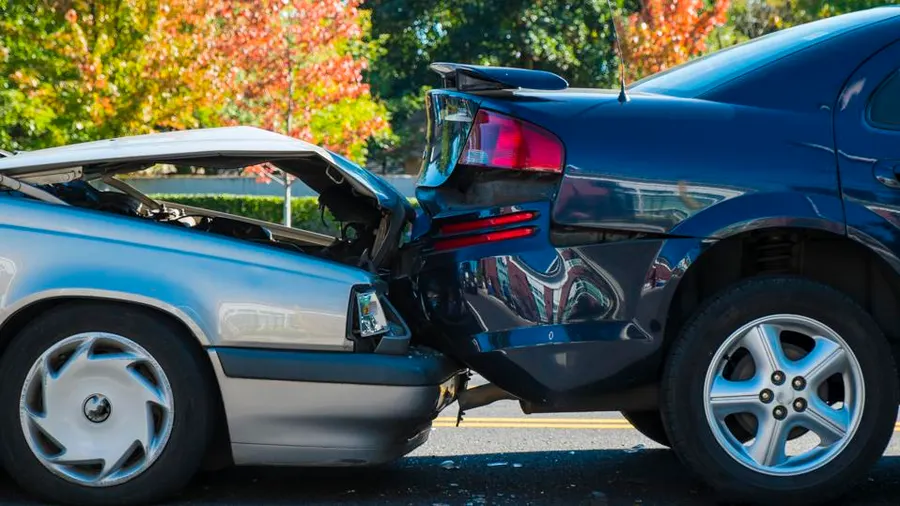
Car crashes are more common than you would think, with more than 6 million police-reported traffic accidents every year. Statistics by the National Highway Traffic Safety Administration (NHTSA) show that about 72% of all car crashes in the United States involve more than one vehicle. So many people wonder, “How do car accidents involving multiple at-fault drivers work?” A car accident lawyer has advice that you need to know.
Setting off a Chain of Events
A multi-car or multi-vehicle accident (pileup) involves three or more vehicles colliding either simultaneously or in a chain reaction. It can become a complicated scenario. These accidents usually begin with one driver making a critical mistake that sets off a chain of events that can potentially harm others.
If you’ve become a victim in a multi-vehicle crash, it isn’t always easy to go it alone and prove negligence or to recover compensation for your injuries. That’s where legal experts can investigate the event and hold the right parties accountable.
Causing Common Multi-Car Accidents
Sometimes, one car runs a red light and causes a pileup. However, other factors can cause multi-vehicle crashes, so drivers should proactively address potential risks.
- Distracted Driving
In today’s obsession with digital devices, taking your eyes off the road to text, check a map or chat with passengers can hinder your reaction time. If the car ahead stops suddenly, a distracted driver won’t notice until it’s too late, creating a domino-effect crash.
- Tailgating
Many of you have experienced this annoying behavior before. Driving right on the bumper of the car ahead leaves zero room for error. At highway speeds, vehicles need the length of a football field to stop completely. Tailgating can guarantee a multi-car wreck if the traffic slows.
- Speeding and Aggression
Driving too fast narrows your field of vision and dramatically extends the distance your car needs to stop. Someone driving erratically, lane-weaving and suddenly swerving, forces everyone else to slam on their brakes, triggering a sudden chain reaction.
- Blinding Weather
Thick fog, heavy downpours, snow and ice can ruin both tire grip and visibility. Motorists who refuse to slow down for the conditions lose control or smash blindly into cars that have already stopped or spun out.


- Sudden Traffic Jams
Heavy rush-hour traffic and hidden construction zones can cause an “accordion effect.” When vehicles far ahead brake sharply, the sudden slowdown ripples backward, catching drivers off guard and causing multi-car pileups.
- Driving Impaired or Exhausted
Alcohol, drugs and severe fatigue can slow down the brain’s processing power and muscle reflexes. An impaired or sleepy driver can’t steer or brake quickly enough to avoid an unfolding hazard ahead.
- Medical Emergencies
Another frightening cause is a sudden, unpredictable health crisis behind the wheel. A heart attack, stroke or fainting spell can instantly leave a moving vehicle completely out of control in the middle of active highway traffic.
Taking the Right Steps After a Pileup
Surviving a multi-car accident is only the first challenge; the next is proving who triggered the chaos. With multiple drivers involved, an army of insurance adjusters and corporate lawyers will all try to shift blame away from themselves. You can protect your rights with the help of an experienced car accident lawyer like the attorneys from Owen, Owen & Smith. Here are some additional tips:
- Freeze the Scene with Evidence
If you’re in a safe area, use your phone to capture photos and videos of the entire crash site. Document the exact positions of all vehicles, license plates, skid marks, traffic signals and weather conditions. This is visual proof and prevents other drivers from changing their stories later. This information can help experts reconstruct how the chain reaction started.
- Seek Immediate Medical Attention
You may feel fine after the pileup, but don’t skip a doctor’s visit. Adrenaline can hide severe trauma, and whiplash or concussions or other internal injuries often take days to appear fully. Getting examined immediately protects your physical health and creates an undeniable medical timeline that connects your injuries directly to the wreck.
- Uncover Every Hidden Factor
The initial police report doesn’t tell the entire story. A successful claim requires digging deeper to investigate vehicle defects, poor road maintenance, commercial fleet logs or distracted-driving behavior. These secondary factors can expand your options for holding the right parties accountable.
- Refuse to Speak with Rival Insurers
Insurance adjusters will often call you within hours of a crash, acting friendly while trying to lock you into a recorded statement. They hope you will downplay your pain or admit fault. Politely decline their questions, refuse to sign anything and let a legal team handle all communication.
- Stay off Social Media
In other words, don’t go on social media to post about the pileup or any injuries you may have suffered. Insurance adjusters and opposing attorneys routinely scour social media profiles to find anything that could contradict your injury claims. It could work against you.
- Save Everything
Have handy all important documents; don’t throw any away. Your medical records, bills, photos, repair estimates and time missed from work all become evidence.
Moving Forward: Now What Happens?
If you or a loved one has become a victim of a multi-vehicle crash, then you know how frightening it can be, and dealing with insurance after is rarely a breeze. Multiple policies, conflicting stories and limited insurance coverage can delay or reduce your payout if you’re not prepared.
It can be an exhausting experience, but you don’t have to go it alone. A legal team can handle the talking for you.