Are you ready to elevate your gardening game? If you’ve ever dreamt of growing sweet, aromatic onions with minimal hassle, then setting onion sets might just be the secret ingredient you’ve been missing. Unlike their seed counterparts, onion sets offer a head start and are perfect for gardeners of all skill levels. Whether you’re planting in a backyard plot or containers on a balcony, these little bulbs can transform your culinary creations.
- What are Setting onion sets?
- Why use onion sets instead of seeds?
- Factors to consider when choosing Setting onion sets
- How to prepare your garden for planting onion sets
- Planting and care instructions for Setting onion sets
- Harvesting and storing onions grown from sets
- Common mistakes when setting onion sets and how to avoid them
- Conclusion: The benefits of using onion sets in your garden
In this guide, we’ll explore everything from what onion sets are to how to care for them as they grow. Say goodbye to uncertainty and hello to delicious homegrown onions! Let’s dig into the world of setting onion sets together—it’s easier than you think!
What are Setting onion sets?
Setting onion sets are small, immature bulbs that serve as a convenient way to grow onions in your garden. Typically about the size of a marble, these little gems come from seeds that were planted the previous year and allowed to mature just enough.
Unlike full-grown onions, which take longer to cultivate from seed, onion sets provide an immediate head start. They’re perfect for those who want quicker results without sacrificing flavor or quality.
These bulbs can be found in various varieties, including yellow, red, and white onions. Each type brings its unique taste profile to your kitchen creations.
Planting onion sets is straightforward and requires less attention compared to starting from scratch with seeds. With their resilience and ease of use, it’s no wonder they’re a favorite among both novice gardeners and seasoned pros alike!
Why use onion sets instead of seeds?
Using onion sets instead of seeds can simplify the growing process significantly. Onion sets are essentially small, immature bulbs that have already started to grow. This gives them a head start compared to seeds.
One major advantage is their ease of planting. With onion sets, there’s no need for seed trays or complicated germination processes. Just pop them into the ground, and you’re on your way.



Onion sets also tend to produce larger yields faster than seeds. Since they’ve been pre-grown, they adapt quickly to their new environment and often mature more reliably.
Additionally, using onion sets reduces the risk of disease and pests that can affect young seedlings. This means healthier plants and a better harvest overall.
For beginner gardeners or those short on time, choosing onion sets makes perfect sense for cultivating onions with less hassle.
Factors to consider when choosing Setting onion sets
Choosing the right onion sets is crucial for a successful harvest. Start by considering the type of onion you want to grow. There are yellow, red, and white varieties, each offering unique flavors and uses.
Next, think about your local climate. Certain onion types thrive better in specific conditions. For instance, long-day onions flourish in northern regions while short-day varieties suit southern climates.
Don’t overlook bulb size either. Larger bulbs generally produce larger onions when mature but may require more care during growth.
Look for healthy sets with firm texture and no signs of rot or damage. Quality matters greatly; healthier sets lead to stronger plants that can withstand pests and diseases more effectively.
How to prepare your garden for planting onion sets
Preparing your garden for onion sets starts with choosing the right location. Look for a spot that receives full sun, ideally 6 to 8 hours daily. This will help your onions thrive.
Next, focus on soil quality. Onions prefer well-draining soil rich in organic matter. Test the pH—aim for a range between 6.0 and 7.0 for optimal growth.
Clear any weeds or debris from the planting area to reduce competition for nutrients and water. Loosen the soil using a fork or tiller to ensure good root penetration.
Consider adding compost or aged manure to boost fertility before planting your onion sets. Mixing these amendments into the top few inches of soil provides essential nutrients.
Create furrows spaced about 12-18 inches apart where you’ll place your onion sets later on. This preparation will set you up for success as those little bulbs take root and grow into delicious onions!
Planting and care instructions for Setting onion sets
When planting onion sets, start by choosing a sunny spot in your garden. Onions thrive with at least six hours of sunlight daily.
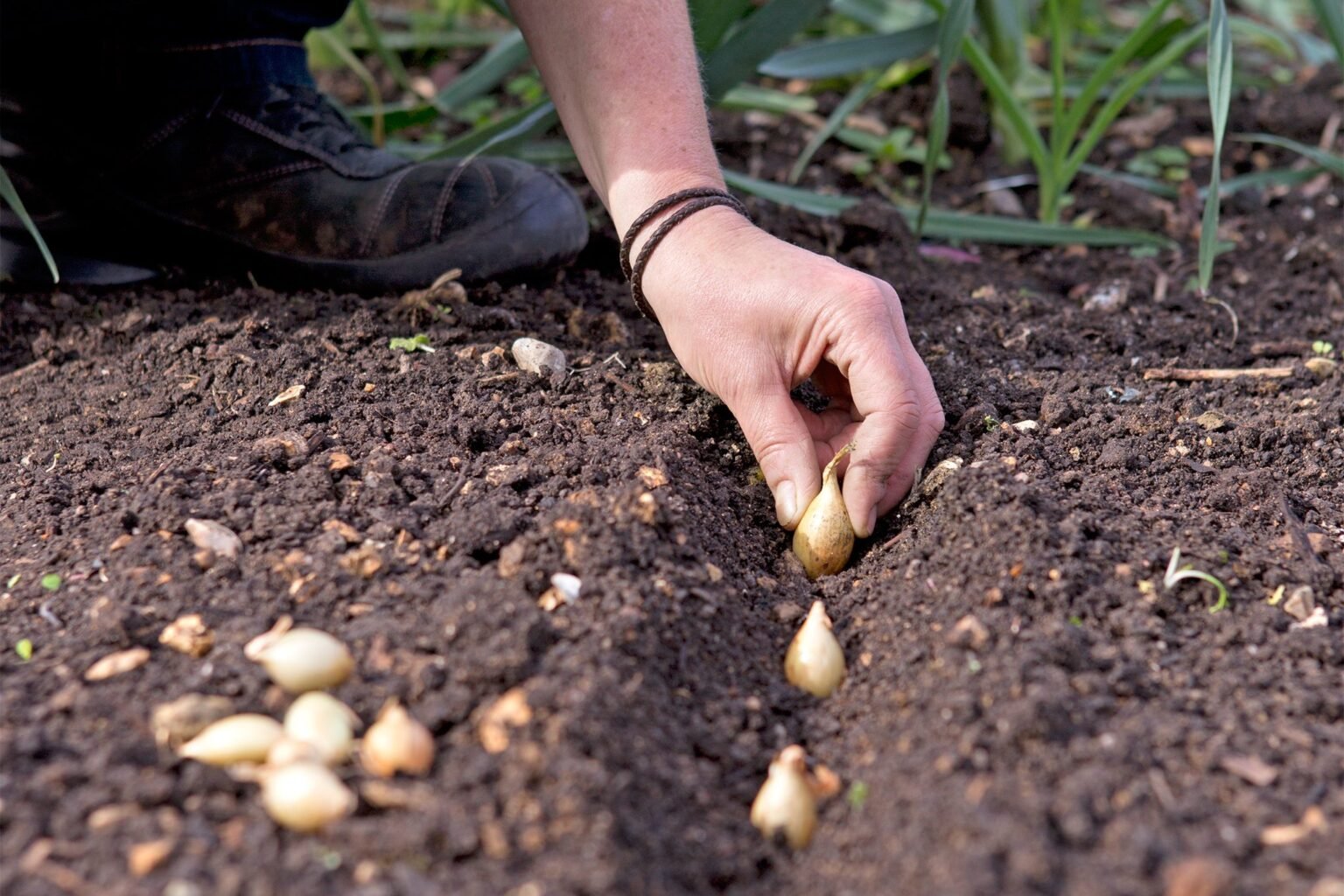
Space the sets about 4 to 6 inches apart. This gives each bulb enough room to grow without crowding. Dig small holes, placing the pointed end facing up, and cover them lightly with soil.
Water gently after planting to settle the soil around the bulbs. Keep an eye on moisture levels; onions prefer consistent watering but dislike soggy conditions.
As they grow, remove any weeds that compete for nutrients. A layer of mulch can help retain moisture and suppress weed growth effectively.
Fertilizing is beneficial as well—apply a balanced fertilizer once or twice during their growing season for optimal results. Regularly check for pests like onion maggots or thrips, acting quickly if you notice any signs of trouble.
Harvesting and storing onions grown from sets
When it’s time to harvest your onions grown from sets, look for signs that they’re ready. The tops will start to yellow and fall over, indicating maturity.
Gently pull the onions from the soil, taking care not to damage them. A garden fork can help loosen stubborn bulbs without causing bruising.
After harvesting, lay the onions out in a single layer on a dry surface for curing. This process allows their outer skins to harden and prolongs shelf life.
Once cured, trim the roots and cut back any remaining green tops. Store onion sets in a cool, dark place with good airflow—hanging them or placing them in mesh bags works well.
Keep an eye out for any signs of rot or sprouting during storage. Discard affected bulbs promptly to protect your healthy stash!
Common mistakes when setting onion sets and how to avoid them
One common mistake is planting onion sets too deep. Ideally, the pointed end should be just above soil level. If buried too deep, they may struggle to emerge.
Another frequent error is spacing. Crowding your onion sets can lead to stunted growth and smaller bulbs. Aim for at least 4 inches apart to give each plant room to flourish.
Watering improperly also causes issues. Overwatering can rot the sets while underwatering leads to stress. Maintain consistent moisture but allow the soil to dry slightly between waterings.
Ignoring the importance of sunlight is another misstep. Onions thrive with at least six hours of direct sun daily. Choose a well-lit area in your garden for optimal growth.
Neglecting weed control can hinder development as weeds compete for nutrients and space. Regularly check and manage weeds around your onions for better results in yield and size.
Conclusion: The benefits of using onion sets in your garden
Using onion sets in your garden offers a range of benefits that can make growing onions easier and more rewarding. They provide a head start over seeds, allowing for quicker harvests. This is particularly advantageous for gardeners with shorter growing seasons.
Onion sets are also less susceptible to pests and diseases compared to traditional seeds. Their small size makes them easy to handle and plant, even for beginners. You get consistent results with fewer failures, as the success rate is typically higher than when starting from seed.
Additionally, onion sets come in various types suited for different climates and soil conditions. This means you can tailor your choice based on what works best in your garden environment.
If you’re looking to simplify your gardening experience while still achieving bountiful yields of delicious onions, setting onion sets could be an excellent option worth considering!