Pruning tomatoes can feel like a daunting task, but it doesn’t have to be. Whether you’re a seasoned gardener or just starting out, understanding how to prune your tomato plants is vital for achieving that bountiful harvest you dream of. With the right techniques and timing, even the most novice gardeners can transform their tomato plants into thriving producers of juicy fruit. So roll up your sleeves and get ready to learn some essential tips on not only how to prune tomatoes effectively but also why this simple process makes all the difference in your gardening journey!
Understanding the how to prune tomatoes
Pruning tomatoes is more than just a gardening chore; it’s an art that enhances plant health and fruit production. By removing excess foliage, you allow sunlight to reach the inner parts of the plant. This fosters better air circulation, reducing the risk of diseases.
Understanding your tomato variety is crucial. Indeterminate types benefit from regular pruning due to their continuous growth. Determinate varieties, on the other hand, require less frequent trimming since they have a set growing season.
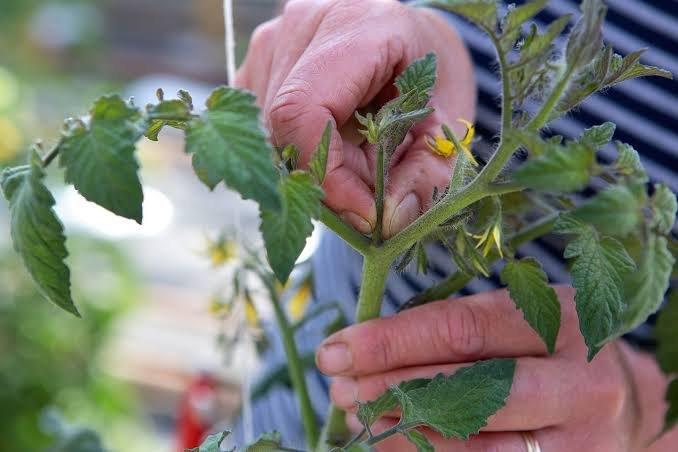
Identifying suckers—those small shoots that grow in the leaf axils—is key. While some gardeners choose to leave them for extra foliage, removing these can redirect energy toward producing larger fruits instead of more leaves.
Getting familiar with your plants’ growth patterns will help you make informed decisions about when and how much to prune throughout the growing season.
When and how often should you prune your tomato plants?
Timing is crucial when it comes to pruning tomato plants. The best moment to start is once your plants reach about 12 inches in height. This gives you a clear view of the growth structure.
As for frequency, aim to prune every two weeks during the growing season. Regular maintenance helps keep your plant healthy and encourages better fruit production.
Be mindful of the weather too—pruning after heavy rain can expose plants to disease. Opt for dry days whenever possible.



Pay attention as well to different tomato varieties. Indeterminate types generally benefit from more frequent pruning than determinate ones, which are bushier and require less intervention.
Knowing when and how often makes all the difference for thriving tomatoes!
Tools needed for pruning tomatoes
To successfully prune tomatoes, having the right tools is essential. A sharp pair of pruning shears or scissors will make clean cuts. This helps prevent damage to the plant and reduces the risk of disease.
Gloves are also important. They protect your hands from thorny branches and keep them safe from any potential irritants in the foliage.
A small garden trowel can be handy for removing unwanted suckers at the base of plants or when loosening soil around roots after pruning.
Consider using a small bucket or bag to collect clippings as you work. Keeping your area tidy makes it easier for you to focus on shaping your plants without distractions.
With these simple tools in hand, you’re ready to tackle tomato pruning with confidence!
Step-by-step guide to how to prune tomatoes
Start by assessing your tomato plant. Look for suckers, which are small shoots emerging from the joint between the stem and branches. These can divert energy from fruit production.
Using clean, sharp pruning shears, carefully remove these suckers when they’re about 2 to 4 inches long. Cut them off at their base to ensure a clean removal.
Next, focus on any yellowing or dead leaves. Snip those away too; this helps improve airflow and reduces disease risk.
If you have indeterminate varieties, consider removing some of the lower leaves as well. This encourages better sunlight exposure for developing fruits higher up on the plant.
Remember to step back occasionally and evaluate your progress. You want an open canopy that allows light in while maintaining enough foliage for photosynthesis.
Common mistakes to avoid when pruning tomatoes
One common mistake is pruning too much at once. It’s easy to get carried away, but removing excessive foliage can stress the plant and stunt its growth.
Ignoring the type of tomato plant you’re working with can also lead to problems. Determinate varieties don’t require as much pruning compared to indeterminate types, which thrive on regular maintenance.
Using dull tools might seem minor, but it affects your cuts. Clean, sharp shears help prevent disease by making precise cuts that heal quickly.
Also, timing matters. Pruning during extreme heat or cold can shock your plants. Aim for days with mild weather for optimal results.
Forgetting about lower leaves is a frequent oversight. These often harbor pests and diseases; trimming them allows better airflow and sunlight penetration into the canopy above.
Benefits of properly pruning tomatoes
Properly pruning tomatoes can significantly enhance your gardening success. By removing excess foliage, you allow better air circulation around the plants. This reduces the risk of fungal diseases that thrive in humid environments.
Pruning also directs energy into fruit production rather than excessive leaf growth. As a result, you’ll often see larger and more flavorful tomatoes on well-pruned plants.
Additionally, maintaining an organized structure helps gardeners monitor plant health more easily. You can spot issues like pests or wilting leaves before they escalate.
Another benefit is increased sunlight exposure for all parts of the plant. Sunlight encourages ripening and improves overall yield.
Pruning makes harvesting simpler and more enjoyable. With fewer branches to navigate, you can reach those juicy fruits without hassle.
Conclusion
Pruning tomatoes is a skill that can significantly enhance your gardening experience and yield. By understanding the right techniques, timing, and tools, you set yourself up for success. Regular pruning not only encourages healthy growth but also helps in preventing diseases and maximizing fruit production.
Avoid common pitfalls like over-pruning or neglecting to remove suckers at the right time. Remember that every cut should serve a purpose—whether it’s improving airflow or directing energy toward fruit development.
With practice, you’ll become more adept at recognizing which parts of your tomato plants need attention. The benefits are clear: healthier plants, bigger yields, and an overall improved harvest season await those who take the time to properly prune their tomato plants.
Happy gardening! Enjoy nurturing your tomato plants into flourishing producers of delicious fruits this growing season.