You’ve spent weeks picking out the perfect bedding, arranging furniture, and choosing a color palette for your child’s room. Then comes the final touch—wall art—and you find yourself scrolling through endless options of mass-produced prints that look identical to what hangs in every other home on the block. The result feels flat, uninspired, and completely disconnected from the vibrant personality of the little person who lives there. Generic wall art lacks the soul needed to spark imagination and create a space where creativity thrives.
- The Limitations of Generic Wall Art in Children’s Decor
- Textured Landscape Painting: Defining Unique Artwork
- Oil Paintings on Canvas: A Testament to Quality and Craftsmanship
- A Step-by-Step Guide to Selecting Handmade Wall Art for Kids’ Rooms
- Step 1: Assess Room Theme and Color Scheme
- Step 2: Incorporate Your Child’s Personality and Interests
- Step 3: Evaluate Quality Indicators in Artwork
- Step 4: Explore Customization for Truly Unique Artwork
- The Enduring Benefits of Investing in Unique Artwork
- Transforming Children’s Spaces Through Intentional Artistry
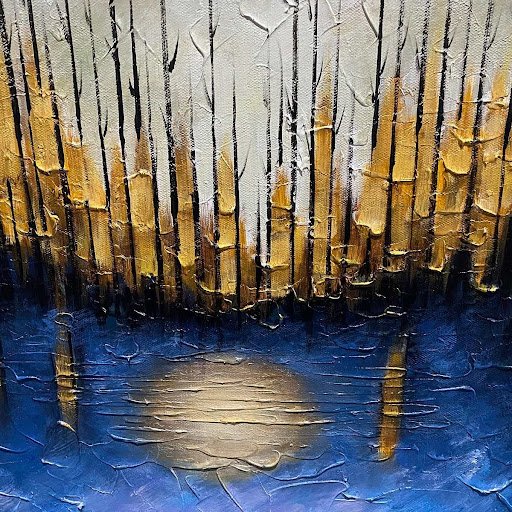
Textured landscape paintings offer something entirely different. These handmade wall art pieces bring dimension, character, and storytelling into a room in ways that a factory-printed poster never could. As oil paintings on canvas, they carry the weight of genuine artistry—each brushstroke intentional, each layer of texture adding depth that children can almost reach out and touch. This article explores why parents seeking personalized, high-quality artwork for their children’s spaces should look beyond the ordinary and discover how textured landscapes transform rooms into environments that nurture curiosity and wonder.
The Limitations of Generic Wall Art in Children’s Decor
Walk into any big-box store’s home decor aisle and you’ll find rows of identical prints wrapped in shrink plastic—cartoon animals, rainbow letters, or motivational quotes stamped onto thin paper and mounted in flimsy frames. These mass-produced pieces roll off assembly lines by the thousands, designed to appeal to the broadest possible audience while saying nothing meaningful to anyone in particular. They’re the visual equivalent of elevator music: inoffensive, forgettable, and entirely devoid of character.
For children’s rooms, this matters more than most parents realize. A child’s environment shapes how they think, play, and dream. Walls covered in generic prints communicate that decoration is an afterthought rather than an intentional choice—that their space doesn’t warrant something special. The flat, lifeless quality of printed reproductions offers nothing for a child’s developing mind to latch onto. There’s no story to invent about the brushstrokes, no ridge of paint to wonder about, no evidence that a real person poured creativity into making it. Parents searching for something that reflects their child’s individuality quickly discover that generic options simply cannot deliver that sense of uniqueness. Textured landscape paintings, by contrast, carry an unmistakable presence that transforms a wall from background noise into a conversation starter—a piece that grows with the child and rewards closer looking every single time.
Textured Landscape Painting: Defining Unique Artwork
Textured landscape paintings occupy a space where fine art meets tactile experience. Unlike flat prints or digital reproductions, these pieces build physical dimension on the canvas surface—mountains that rise, clouds that billow, fields that seem to sway. Artists apply paint in deliberate layers, creating ridges, valleys, and peaks that catch light differently throughout the day. The result is unique artwork that literally changes appearance as morning sun gives way to afternoon shadow, offering a living quality that static prints can never achieve. For parents decorating children’s rooms, this dynamic quality means the art remains engaging rather than fading into the background after a few weeks. Each textured landscape tells a story through its surface, inviting viewers to look closer and discover details invisible from across the room.
Understanding the Art Form: More Than Just a Picture
The creation of textured landscapes relies on techniques like impasto, where thick applications of oil paint are built up using palette knives and stiff brushes. Artists working on oil paintings on canvas manipulate the medium while it’s still wet, sculpting forms directly on the surface. This handmade wall art demands patience—layers must partially dry before new ones are added, and each decision about thickness and direction is irreversible. The craftsmanship involved means no two pieces can ever be identical, even when depicting similar scenes.
The Visual and Tactile Appeal for Young Minds
Children experience the world through touch as much as sight, and textured paintings speak directly to this multisensory curiosity. A child standing before a textured landscape notices how paint ridges create shadows, how thick strokes suggest movement in water or wind through trees. This engagement goes beyond passive viewing—it becomes an exercise in observation and imagination. Kids invent stories about what lies beyond the painted hills or what animals might hide in those sculpted forests. The tactile dimension transforms wall art from mere decoration into an educational tool that develops visual literacy, spatial awareness, and creative thinking without requiring any instruction at all.
Oil Paintings on Canvas: A Testament to Quality and Craftsmanship
When parents invest in artwork for their children’s rooms, they’re making a decision that should outlast the current phase of dinosaur obsessions or mermaid fascinations. Oil paintings on canvas represent the gold standard in fine art for good reason—the medium has proven its staying power across centuries. Unlike printed posters that curl at the edges within months or canvas prints where ink sits flatly on a synthetic surface, genuine oil paintings develop a richness over time that actually improves with age. The pigments in oil paints are suspended in linseed oil, creating colors of extraordinary depth and saturation that synthetic inks simply cannot replicate. Hold a mass-produced print next to a handmade oil painting and the difference is immediately obvious: one looks like a photograph of art, while the other is unmistakably the real thing. For children’s spaces, this quality distinction translates into walls that feel curated and intentional rather than hastily decorated with whatever was on clearance.

The Artisan’s Touch in Handmade Wall Art
Every textured landscape painting carries evidence of human hands at work. You can trace where the artist dragged a palette knife through wet paint, see where they pressed bristles firmly to create a tree line, or notice where they built up layers to suggest distant mountains. This handmade wall art represents hours of focused attention from a skilled craftsperson—someone who made countless small decisions about color mixing, paint consistency, and compositional balance. For parents who value quality in every aspect of their child’s environment, from organic bedding to solid wood furniture, choosing handmade artwork is a natural extension of that philosophy. It communicates care and intentionality in a way mass production never can.
Durability and Longevity: Why Materials Matter
Canvas stretched over wooden frames provides a stable, breathable surface that resists warping and deterioration far better than paper or cardboard-backed prints. Oil paints, once fully cured, form a flexible yet resilient film that withstands decades without cracking or flaking when properly cared for. These materials resist fading from sunlight exposure significantly better than inkjet prints, which can noticeably degrade within just a few years near a window. For parents, this durability means a textured landscape painting purchased for a nursery can follow a child through toddlerhood, school years, and beyond—becoming not just decor but a meaningful keepsake that holds memories of childhood within its layers.
A Step-by-Step Guide to Selecting Handmade Wall Art for Kids’ Rooms
Choosing the right textured landscape painting for your child’s room doesn’t require an art degree—it requires thoughtful consideration of a few key factors. The process becomes enjoyable rather than overwhelming when you approach it systematically, keeping both your child’s personality and practical quality standards in mind.
Step 1: Assess Room Theme and Color Scheme
Start by photographing the room in natural light and identifying dominant colors in bedding, curtains, and furniture. A textured landscape painting should complement these tones rather than compete with them. Rooms with earthy neutrals pair beautifully with mountain or forest scenes, while coastal blues and greens invite ocean or meadow landscapes. Consider the wall space available—a single large piece creates a focal point, while smaller complementary paintings can frame a window or bookshelf.
Step 2: Incorporate Your Child’s Personality and Interests
Think about what excites your child outdoors. A kid who loves hiking might connect deeply with a textured mountain trail painting, while one who spends hours watching clouds could find endless fascination in a sky-dominated landscape. This personalization ensures the unique artwork resonates emotionally rather than simply filling space. Ask your child what places make them feel happy or curious—their answers often surprise parents and lead to meaningful selections.
Step 3: Evaluate Quality Indicators in Artwork
When shopping for genuine oil paintings on canvas, examine the surface closely. Authentic textured work shows visible brushstrokes and paint buildup with slight irregularities that prove human creation. Check that the canvas is stretched over solid wood bars rather than cardboard backing. Research the artist’s background and look for consistency in their portfolio—studios like MontCarta, for example, specialize in original paintings that showcase this level of craftsmanship. Quality handmade wall art should feel substantial when lifted—the weight of real paint and proper stretcher bars is immediately noticeable compared to lightweight reproductions.
Step 4: Explore Customization for Truly Unique Artwork
Many artists accept commissions for custom textured landscapes tailored to specific color palettes or scenes meaningful to your family. Perhaps your child has a favorite vacation spot, a beloved local park, or an imaginary world they’ve described in detail. Commissioning a piece transforms that vision into tangible unique artwork created exclusively for their room. Discuss your ideas openly with the artist, share reference photos, and allow creative freedom within your parameters—the collaboration often produces results more magical than either party initially imagined.
The Enduring Benefits of Investing in Unique Artwork
Choosing textured landscape paintings over generic wall art delivers benefits that compound over time in ways parents rarely anticipate at the point of purchase. The emotional connection a child develops with a handmade piece becomes part of their personal narrative—they remember the painting that hung above their bed during formative years, the one where they traced the mountain ridges with their eyes before falling asleep. This attachment transforms unique artwork from a decorating decision into a childhood anchor, providing visual consistency and comfort through the inevitable changes of growing up.
The educational value runs deeper than most parents expect. Children who grow up surrounded by genuine artistry develop stronger aesthetic sensibilities, more nuanced observational skills, and a natural appreciation for craftsmanship in all its forms. They learn that beautiful things require patience and skill to create—a lesson absorbed unconsciously through daily exposure to handmade wall art rather than through any formal instruction. As a long-term investment, textured landscape paintings retain their beauty and structural integrity for decades, making them pieces that can eventually move from a child’s room to a college apartment to a first home. The initial choice to invest in quality over convenience pays dividends in durability, emotional significance, and the quiet daily enrichment that only genuine art provides.
Transforming Children’s Spaces Through Intentional Artistry
The difference between generic wall art and textured landscape paintings comes down to intention. Mass-produced prints fill space; handmade oil paintings on canvas transform it. They bring dimension, craftsmanship, and storytelling into children’s rooms in ways that flat reproductions simply cannot match. For parents seeking to create environments that nurture imagination and reflect their child’s individuality, textured landscapes answer both the desire for unique artwork and the demand for lasting quality.
The decision to choose handmade wall art over convenient alternatives is ultimately a decision about what values you want woven into your child’s daily experience. Every ridge of paint, every carefully layered color, every imperfect brushstroke communicates that creativity matters, that craftsmanship deserves respect, and that their space was designed with genuine thought and care. Art shapes how children see the world long before they can articulate why. By placing something real and meaningful on their walls—something with texture, depth, and soul—you give them a foundation for appreciating beauty, detail, and human effort that stays with them far beyond childhood.