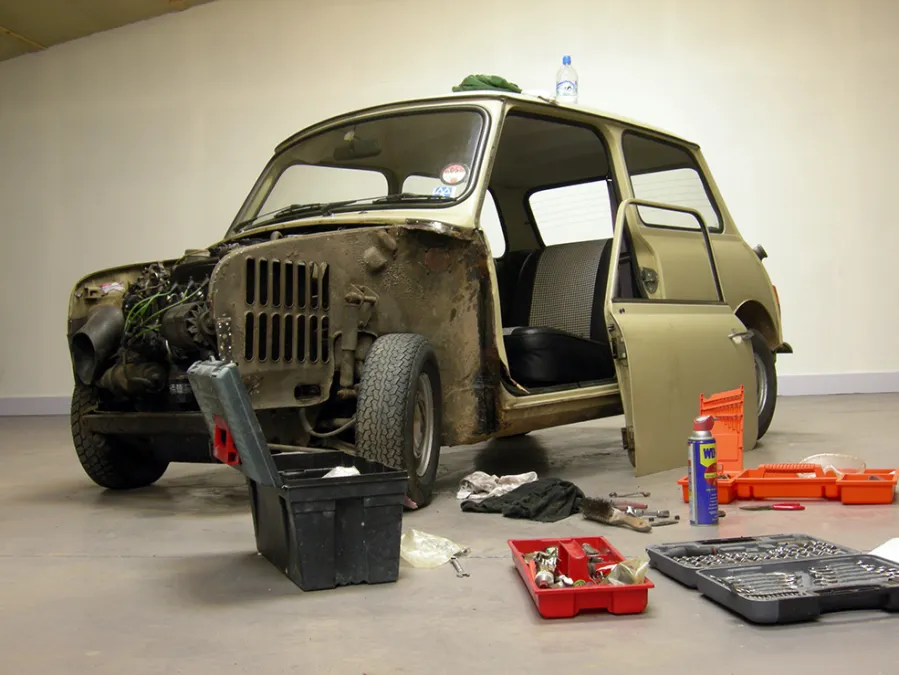
There is a distinct scent that accompanies a vintage automobile. It is a rich blend of old leather, unburnt hydrocarbons, and the faint, metallic tang of aging steel. When a mid-century roadster or a muscle car from the late sixties rumbles past, it demands attention. The mechanical symphony of valves, lifters, and exhaust notes creates a visceral experience that modern, heavily insulated vehicles simply cannot replicate.
Keeping these beautiful machines on the road is a monumental task. As decades pass, the raw materials degrade, the original manufacturers close their doors, and the specialized knowledge required to maintain them begins to fade. True classic car repair requires a unique blend of historical research, mechanical intuition, and sheer stubbornness.
Mechanics who specialize in this field operate more like historians and artisans than traditional technicians. They do not have the luxury of plugging a diagnostic scanner into an onboard computer to find the source of a misfire. Instead, they must rely on their senses, listening to the rhythm of a carburetor or feeling the slight hesitation in a mechanical linkage.
This dedication to automotive preservation keeps our cultural history alive. Every restored vehicle tells a story about the era in which it was built, reflecting the design trends, economic conditions, and technological ambitions of its time.
The Unique Challenges of Vintage Restoration
Working on older vehicles presents obstacles that standard collision centers and modern repair shops rarely encounter. The skillset required to breathe life back into a rusted chassis or a seized engine takes years to develop.
Sourcing and Fabricating Rare Parts
Modern cars benefit from a global supply chain. If a water pump fails on a five-year-old sedan, a replacement is usually sitting on a shelf at a local auto parts store. Classic car repair operates under entirely different rules. When a specific trim piece or engine component for a 1954 coupe goes missing, buying a new one is often impossible.
Specialists must hunt down salvage yards, scour swap meets, or consult private collectors to find original components. When those efforts fail, the only remaining option is custom fabrication. Skilled metalworkers and machinists use lathes, English wheels, and raw steel to recreate parts from scratch, matching the exact specifications of the original factory blueprints.
Mastering Analog Engineering
Before the widespread adoption of electronic fuel injection and engine control modules, vehicles relied on mechanical harmony. Carburetors mixed air and fuel using physical jets and vacuum pressures. Ignition systems utilized mechanical distributors with points and condensers that required precise, manual adjustment.


Understanding these analog systems requires a deep appreciation for early engineering. Mechanics must know how to synchronize dual carburetors by ear and adjust valve clearances using nothing more than a feeler gauge and a wrench. This tactile approach to mechanics is becoming a lost art, making the specialists who still practice it incredibly valuable to the classic car community.
A Beacon of Craftsmanship in Pennsylvania
The survival of vintage automotive culture depends entirely on dedicated restoration shops that refuse to let these skills die. One shining example of this commitment is Heritage Auto Repair and Development of Pittsburgh. Facilities like this serve as the lifeblood of the classic car community in their respective regions.
Heritage Auto Repair and Development of Pittsburgh has built a reputation around an uncompromising dedication to historical accuracy and mechanical excellence. The technicians working in these specialized bays understand the heavy responsibility of their craft. When a customer brings in a family heirloom—perhaps a truck driven by their grandfather or a sports car they dreamed of owning since childhood—the shop treats the vehicle with the respect it deserves.
They tackle everything from minor mechanical tuning to complete, frame-off restorations. By combining traditional metalworking techniques with a deep understanding of vintage drivetrains, they ensure that the cars rolling out of their garage are ready to face another half-century on the asphalt. Their work guarantees that the next generation of enthusiasts will actually get to drive these historic machines, rather than just look at them behind velvet ropes in a museum.
The Fight Against Time and Elements
The primary enemy of any vintage vehicle is oxidation. Steel panels that were stamped and shaped fifty years ago were rarely treated with the advanced rust inhibitors used in modern manufacturing. Consequently, classic car repair often involves extensive rust remediation.
Cutting out compromised metal and welding in fresh steel takes a steady hand and a keen eye. The heat from a welding torch can easily warp flat body panels, ruining the lines of a classic silhouette. Technicians must work slowly, managing heat distribution and grinding their welds perfectly smooth. The goal is to make the repair completely invisible once the final coat of paint is applied.
This painstaking process requires immense patience. A single fender might require dozens of hours of cutting, welding, filling, and block-sanding before it is ready for primer. The people who undertake this work do so because they have a profound respect for the original designers and builders.
Keeping the Legacy on the Road
Classic car repair requires a deep understanding of timeless engineering and a true appreciation for mechanical purity. The passion behind maintaining and restoring vintage vehicles comes from the unmatched driving experience they offer—one that is raw, responsive, and completely driver-focused. Without modern electronic interference, every movement is deliberate, making expert craftsmanship essential to preserve performance, authenticity, and the enduring value of these iconic machines.
Preserving this raw, mechanical era of transportation requires a community effort. It relies on the passion of owners, the dedication of parts suppliers, and the unparalleled expertise of specialized restoration shops. Every time an engine from the mid-twentieth century roars back to life after decades of silence, that community secures another piece of automotive history for the future.