Retail has never been more competitive. With consumers bombarded by thousands of brand messages daily, capturing attention at the storefront level has become a genuine battleground. Traditional display solutions — static posters, opaque LED panels, or bulky signage — often create a frustrating trade-off: visibility versus openness. Block the window to run an ad, and you lose the natural light and interior view that draw shoppers inside in the first place.
- What Are Glass Transparent LED Screens?
- Key Benefits for Retail Businesses Addressing Core Needs
- Innovative Features and Technologies Enhancing Displays
- C-Mesh F Smart Poster: Revolutionizing Digital Signage
- Curved LED Displays: Creating Engaging Retail Environments
- High Brightness LED: Ensuring Clarity Day and Night
- App Control LED: Simplifying Management for Business Owners
- Practical Solutions and Implementation Steps for Retail Success
- Step 1: Assessing Your Retail Space and Goals
- Step 2: Selecting and Installing the Display
- Step 3: Managing Content with App Control
- Case Studies: Real-World Applications in Retail
- The Future of Retail Storefront Advertising
Glass transparent LED screens eliminate that compromise entirely. By embedding vibrant, dynamic visuals directly onto see-through surfaces, this technology lets retailers broadcast compelling content without sacrificing the welcoming, open feel of their storefronts. The result is a display solution that works with your space rather than against it. For retail businesses seeking eye-catching advertising that is also straightforward to manage and update, transparent LED displays represent a genuine leap forward — one that is reshaping how brands connect with passersby and convert foot traffic into sales. This article explores how the technology works, what it offers, and how to put it to work for your store.
What Are Glass Transparent LED Screens?
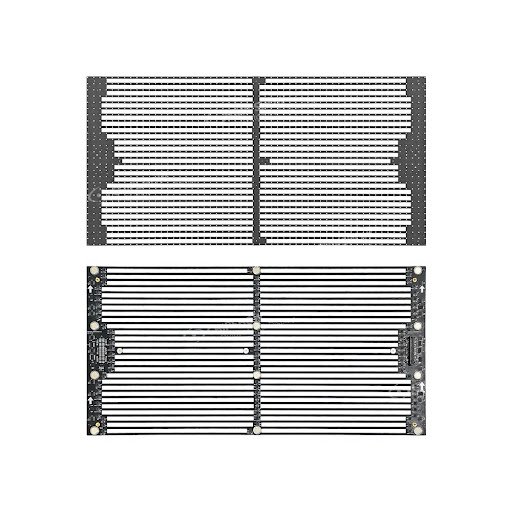
Glass transparent LED screens are display panels built with a see-through structure that allows light to pass through while simultaneously projecting bright, dynamic visuals. Unlike conventional LED displays, which rely on a solid backing that blocks everything behind them, transparent LED panels use a fine grid of micro-LEDs mounted on a mesh or glass substrate. The gaps between these LEDs — typically accounting for 70–90% of the panel’s surface area — let natural light and interior views remain visible from outside, preserving the openness of any storefront window.
The technology works by precisely controlling each LED pixel to render high-resolution imagery, video, and animations without requiring an opaque backing layer. This means the display can sit flush against a window or glass façade and function as both a screen and a transparent surface at the same time. Traditional LED panels, by contrast, require solid structures that inevitably obstruct sightlines and darken interiors — a significant drawback for retail environments where inviting window displays matter.
In retail settings, glass transparent LED screens integrate seamlessly into storefront glazing, interior partitions, or display cases. A fashion boutique can run a promotional video on its window while shoppers outside still see the clothing inside. A jewelry store can highlight a product with animated visuals without boxing off the showcase. This dual functionality — advertising and openness simultaneously — makes transparent LED screens a genuinely distinctive tool for modern retail.
Key Benefits for Retail Businesses Addressing Core Needs
For retail businesses, the appeal of glass transparent LED screens goes well beyond novelty. These displays directly address the two most persistent pain points in storefront advertising: standing out without shutting shoppers out, and keeping content fresh without dedicating staff hours to the task. The combination of high-impact visuals with see-through construction creates an advertising surface that enhances rather than compromises the retail environment. Foot traffic increases when storefronts feel open and dynamic simultaneously — and transparent LED displays deliver exactly that balance.
Maximizing Attention with Minimal Obstruction
A traditional opaque display placed in a window is essentially a wall. It stops light, hides merchandise, and signals to passersby that the store interior is closed off. Transparent LED screens flip this dynamic entirely. Because 70–90% of the panel surface remains open, natural light continues flowing in, interior displays stay visible, and the storefront retains its welcoming character. A cosmetics retailer, for example, can run a vivid promotional animation across its front window while customers outside still see the product shelves inside — the display adds a layer of engagement rather than replacing it.
Streamlining Operations with User-Friendly Controls
Managing display content used to mean coordinating with external vendors, printing new materials, or navigating complex software. Modern transparent LED systems change that equation through app-based control platforms that let store managers update visuals, schedule campaigns, and monitor display performance directly from a smartphone or tablet. A single staff member can swap out a weekend promotion for a weekday offer in minutes, without technical expertise or outside help. This operational simplicity translates directly into cost savings and the flexibility to respond to trends, inventory changes, or local events in real time.


Innovative Features and Technologies Enhancing Displays
Transparent LED technology has evolved well beyond simple see-through panels. Today’s retail-grade systems incorporate specialized features designed to solve specific challenges — from maintaining visibility in bright sunlight to wrapping displays around unconventional store architecture. Manufacturers such as Chipshow LED have been at the forefront of developing these configurations, helping retailers choose the right setup for their space and goals.
C-Mesh F Smart Poster: Revolutionizing Digital Signage
The C-Mesh F Smart Poster combines a fine mesh LED structure with embedded smart advertising capabilities, enabling interactive content delivery and precise scheduling from a centralized platform. Its energy-efficient design reduces power consumption without dimming visual output, making it practical for stores running displays throughout business hours. For retailers, this translates to compelling, targeted messaging that adapts to time of day or campaign needs with minimal energy overhead.
Curved LED Displays: Creating Engaging Retail Environments
Curved LED displays bend to follow the contours of pillars, corner windows, and cylindrical fixtures — surfaces where flat panels simply cannot perform. This flexibility lets retailers wrap dynamic content around architectural features rather than working against them. The result is an immersive visual presence that draws the eye from multiple angles, extending a display’s effective reach across a wider field of view and creating a more memorable in-store experience.
High Brightness LED: Ensuring Clarity Day and Night
Storefront displays face a relentless adversary: direct sunlight. Standard panels wash out in bright conditions, rendering content invisible precisely when foot traffic peaks. High brightness LED configurations counter this by delivering output levels sufficient to maintain sharp, vivid imagery regardless of ambient light. The same display that performs at midday sun also scales back automatically in low-light evening conditions, protecting both visibility and energy efficiency around the clock.
App Control LED: Simplifying Management for Business Owners
App control LED systems put full display management into a smartphone interface, eliminating the need for dedicated hardware or technical staff. Retailers can upload new creative assets, build scheduling sequences, and receive real-time performance alerts from anywhere with a network connection. When a flash sale launches or a product sells out, content updates happen in minutes — keeping messaging accurate and timely without disrupting store operations or waiting on outside support.
Practical Solutions and Implementation Steps for Retail Success
Knowing the benefits of glass transparent LED displays is one thing — actually deploying them effectively is another. Retailers who get the most from this technology follow a clear sequence: evaluate their space honestly, select the right display configuration, and then leverage app-based tools to keep content performing. The process is more straightforward than most business owners expect, and the flexibility of modern transparent LED systems means they scale comfortably from a single boutique window to a multi-location rollout.
Step 1: Assessing Your Retail Space and Goals
Begin by mapping your storefront’s physical characteristics — window dimensions, glazing type, available mounting points, and typical ambient light levels throughout the day. Pair this with a clear advertising objective: are you driving foot traffic, promoting specific products, or building brand recognition? These answers directly determine which display format, brightness level, and transparency ratio will serve you best.
Step 2: Selecting and Installing the Display
Match display features to your assessment findings. South-facing windows with heavy sun exposure need high brightness LED configurations to prevent washout during peak hours. Curved architectural elements — corner windows, pillars, cylindrical columns — call for curved LED panels that conform to those surfaces rather than fighting them. For standard flat glazing, a mesh-based panel like the C-Mesh F Smart Poster integrates cleanly without structural modifications. During installation, work with certified technicians to ensure secure mounting, proper weatherproofing at connection points, and clean cable management that preserves the display’s visual transparency. Confirm that the panel’s power draw aligns with your existing electrical infrastructure before finalizing placement.
Step 3: Managing Content with App Control
Once the display is live, app control becomes your primary operational tool. Connect the system to your store’s network, then use the app to upload your first content assets — promotional videos, product highlights, or brand animations. Build a scheduling sequence that aligns with your trading hours: high-energy content during peak foot traffic periods, softer brand messaging during quieter times. Set up real-time alerts so you receive notifications if connectivity drops or a display requires attention. When promotions change, log in from any device, swap the asset, and publish — the update goes live within minutes, keeping your storefront messaging accurate without interrupting daily operations.
Case Studies: Real-World Applications in Retail
Seeing transparent LED technology in action makes its advantages concrete. Across retail categories, businesses have deployed these displays to solve real storefront challenges — and the outcomes consistently point to stronger engagement and more efficient operations.
A high-street fashion retailer installed C-Mesh F Smart Poster panels across its flagship window, running scheduled lookbook videos timed to morning and evening commuter peaks. Foot traffic through the entrance increased noticeably within the first month, with staff reporting that customers frequently referenced the window content when asking about specific items inside. Critically, the window retained its full visual openness — passersby could still see the interior displays alongside the animated content.
A luxury cosmetics brand with a curved corner storefront used curved LED panels to wrap promotional content around its architectural feature, turning a structural quirk into a visual asset. The 270-degree display coverage drew attention from both directions of pedestrian flow, creating an immersive brand moment that flat panels positioned on a single face could never achieve.
A consumer electronics retailer facing a sun-drenched south-facing window deployed high brightness LED panels to solve a persistent washout problem. Product launch videos that had previously been invisible during afternoon hours now displayed sharply throughout the day. The store’s marketing team manages all three window zones remotely through the app control platform, updating content across locations simultaneously without visiting each site — a practical efficiency that compounds across a multi-store operation.
The Future of Retail Storefront Advertising
Glass transparent LED screens represent a fundamental shift in how retail businesses approach storefront advertising. Rather than forcing a choice between visibility and engagement, they deliver both simultaneously — dynamic, high-impact visuals layered over a storefront that remains open, inviting, and full of natural light. For retail businesses competing in crowded environments, that combination is not a luxury; it is a genuine strategic advantage.
The innovations covered in this article — C-Mesh F Smart Poster panels for targeted smart advertising, curved LED displays for immersive architectural integration, high brightness configurations for all-day clarity, and app control platforms for effortless content management — each address a specific operational or marketing challenge that retailers face daily. Together, they form a toolkit that is both powerful and practical, accessible to single-location boutiques and multi-store chains alike. Industry specialists like Chipshow LED have helped bring many of these solutions to market, reflecting the broader momentum driving transparent display technology into mainstream retail.
Adopting this technology now positions your business ahead of a curve that is only moving in one direction. As consumer expectations for engaging, experiential retail environments continue to rise, storefronts equipped with transparent LED displays will increasingly stand apart from competitors still relying on static or opaque signage. The future of retail display is see-through, dynamic, and remotely managed — and the businesses that embrace it earliest will be the ones converting more passersby into loyal customers.