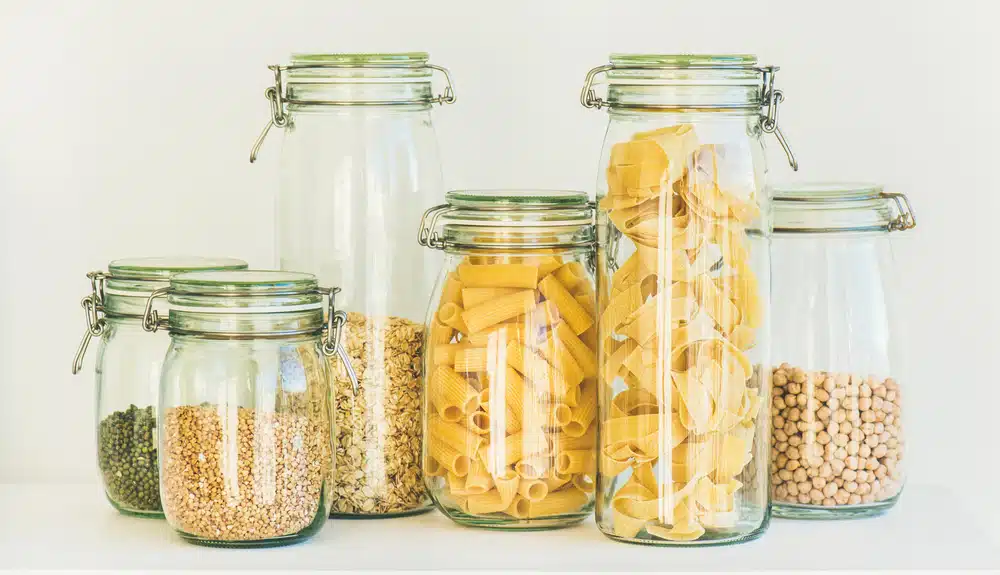
Dried foods are pantry staples that can save time, enhance meals, and provide long-lasting nutrition. However, improperly stored dried foods can lose flavor, texture, and nutritional value, and may even spoil. To keep your dried goods at their best, it’s essential to understand proper storage techniques. From containers to environment, a few smart habits can make a big difference.
Choose the Right Containers
The first step in storing dried foods is selecting appropriate containers. Airtight containers are a must. Glass jars, plastic bins with tight-fitting lids, or vacuum-sealed bags help prevent air, moisture, and pests from getting in. While original packaging works for short-term storage, transferring to a sealed container can dramatically extend shelf life.
Clear containers are handy because they allow you to see what’s inside at a glance, but opaque containers can protect items like spices or herbs from light, which can degrade flavor and color over time.
Keep Moisture at Bay
Moisture is the biggest enemy of dried foods. Even small amounts of humidity can lead to clumping, mold, or spoilage. Store your dried goods in a cool, dry area, away from steam sources like stoves or dishwashers. Adding desiccant bags to containers can help absorb residual moisture, keeping foods crisp and fresh longer.
Avoid storing dried foods in the refrigerator unless recommended. The fluctuating temperature and condensation can introduce moisture, negating your efforts to preserve them.
Monitor Temperature and Light
Temperature stability is crucial. Most dried foods last longest in a consistent environment between 50–70°F (10–21°C). Extreme heat can accelerate spoilage, while freezing some items, like dried herbs, can cause texture changes.
Light, especially sunlight, can degrade vitamins and flavor compounds. Choose a dark pantry or cupboard, or use opaque containers for items that are sensitive to light exposure, such as dried fruits, spices, or tea leaves.
Label and Rotate
Organization is often overlooked but plays a key role in maintaining quality. Label containers with the date of purchase or packaging. This practice makes it easier to rotate items, ensuring older products are used first, preventing waste. The “first in, first out” approach is simple but effective for keeping your pantry fresh and organized.



Consider Food-Specific Tips
Different dried foods have unique storage needs:
- Grains and rice: Keep in airtight containers with a desiccant packet to ward off moisture and insects.
- Nuts and seeds: Store in cool, dark places; refrigeration can extend shelf life for fatty nuts like walnuts.
- Dried fruits: Store in airtight containers; if sticky, layer with parchment paper to prevent clumping.
- Herbs and spices: Use small, airtight jars away from light and heat to retain flavor.
Avoid Contamination
Always use clean, dry utensils when handling dried foods to prevent introducing moisture or bacteria. Avoid double-dipping into containers, and never store foods with strong odors near items that can absorb them. Proper hygiene ensures that your dried foods remain safe and tasty for months.
Monitor for Freshness
Even when stored correctly, dried foods aren’t immortal. Check periodically for signs of spoilage like unusual odor, discoloration, or mold. If any issue is detected, discard the item immediately. Regular checks help maintain a healthy pantry and prevent contamination of other foods.
Embrace Smart Storage Practices
Smart storage isn’t just about preserving food—it’s about convenience, cost savings, and taste. Investing in quality containers, keeping moisture out, controlling temperature, and labeling your items can transform your pantry into an organized, long-lasting treasure trove of dried foods.
By following these expert tips, you’ll enjoy dried goods that retain their flavor, texture, and nutritional value for months, ensuring every meal is as fresh and delicious as possible.