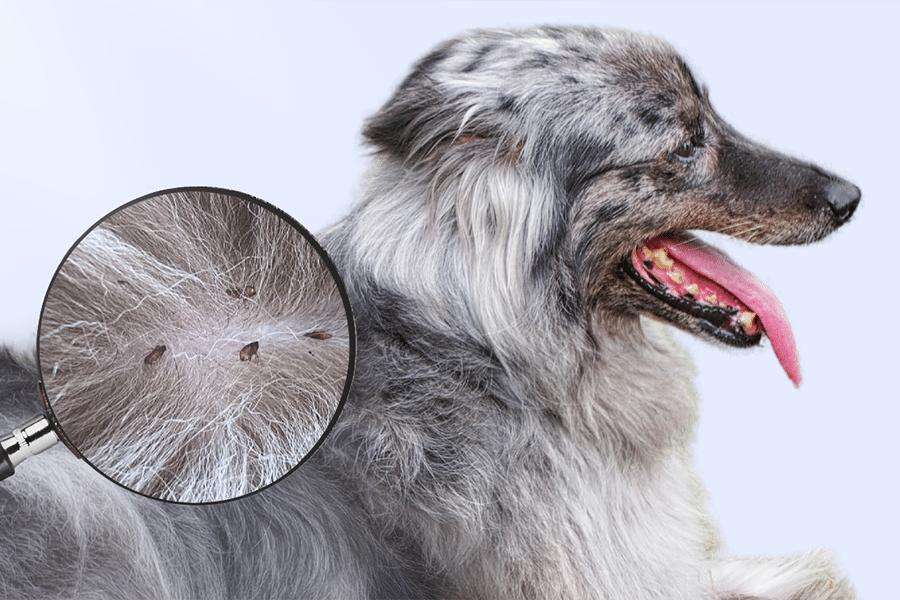
Ask a group of pet owners about their experience with fleas and the responses will divide quickly into two camps. One group has stories. The emergency vet appointment, the weeks of environmental treatment, the discovery of what a fully established infestation actually looks like when it takes hold in a carpeted home. The other group has nothing to report. Their pets have never had fleas. Their homes have never been infested. The experience the first group describes is one they genuinely cannot relate to.
The difference between these two groups is not luck, not geography, and not the particular animals they own. It is one habit, applied consistently.
The Habit That Separates the Two Groups
Pet owners who consistently avoid flea problems maintain a monthly prevention schedule without exception. They do not treat when they see evidence of fleas and stop when they do not. They do not apply treatment seasonally and skip the months that seem lower risk. They apply on schedule, every month, every year, regardless of whether current conditions seem to require it.
This sounds simple because it is simple. The challenge is not the application itself, which takes under a minute. The challenge is maintaining the habit through extended periods of apparent normalcy when there is no visible reason to continue. The owners who never deal with flea problems have solved this challenge, either through genuine understanding of why consistency matters or through a routine so established that the question of whether to apply this month never actually arises.
Why Consistency Produces Outcomes That Occasional Treatment Cannot
The flea life cycle contains a stage that makes inconsistent treatment consistently ineffective. Flea pupae are resistant to topical products and can remain dormant in carpets and furnishings for weeks or months before emerging as adults. A treatment applied reactively, when fleas become visible, addresses the adult population on the animal but does nothing to the dormant pupal reservoir in the environment. New adults continue to emerge and the cycle continues.
Consistent monthly Advantage flea treatment prevents this reservoir from forming in the first place. When the treated animal never provides eggs to the environment, the pupal population never builds. There is no dormant reservoir waiting to produce new adults. The cycle that requires sustained reactive treatment to interrupt simply does not begin.
What the Non-Experience Looks Like in Practice
For pet owners in the consistently protected group, flea prevention is a background task that occupies approximately one minute per month and produces no noticeable events at all. They do not spend time thinking about fleas because the topic never becomes relevant. Their pet’s coat is comfortable. Their home is unaffected. Their vet visits address other concerns.
This non-experience is the most complete form of success available in preventative pet care. It is not measurable in the conventional sense because it is defined by the absence of something that never happened. But it is entirely real, and it is the direct product of the one habit that separates the two groups of pet owners that every flea conversation eventually reveals.



The owners who never deal with flea problems are not fortunate. They are consistent. That distinction is entirely within reach of every pet owner who decides to make it.