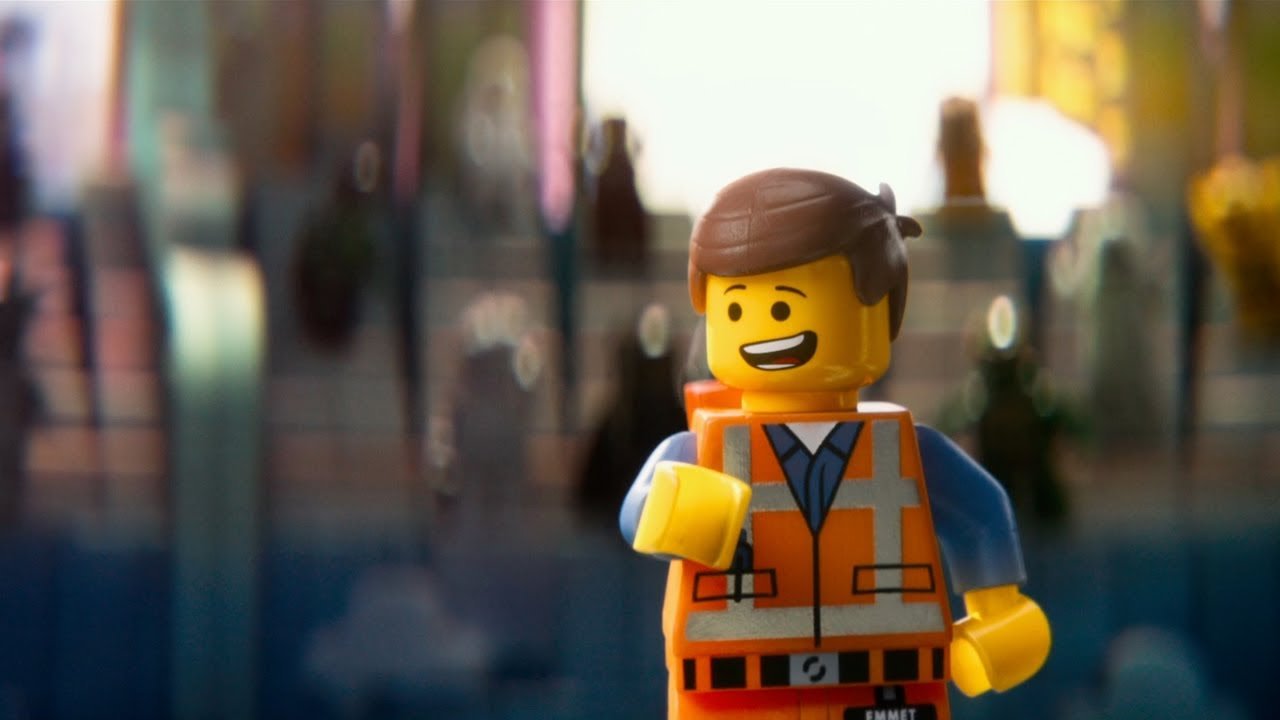
When a consumer sees a product on a shelf or online, the packaging is the first thing they often look at. The packaging itself provides its own explanation to consumers. LEGO has achieved the perfect definition of packaging according to its toy products and complete retail system.
- What should Packaging Accomplish?
- Clarity Beats Clutter Every Time
- Storytelling Through Visual Elements
- Packaging Should Reflect Consumer Values
- Packaging as a Component of Brand Identity
- Interactive and Revealing Packaging Boosts Engagement
- Packaging Should Support the Unboxing Experience
- Sustainability Can Be Part of the Narrative
- Packaging Can Extend the Relationship Beyond the First Purchase
- Final Thoughts
Today’s brands can learn from LEGO’s product packaging methods, which they use to package their products.
What should Packaging Accomplish?
It is more than just protecting the product. It is about creating the experience from the moment the box is untied, and exploration begins. LEGO packaging is a great example of this. It is displaying the completed product, the characters, and the scenes that can be imagined and played out with the set.
It is a story in a box, guiding the customer through how they will use the product. The conversation that today’s brands need to have about packaging is:
- What should the customer feel?
- What does the product do?
- What makes this product different?
When packaging is about communication, it is simpler and more trusted by the customer.
Clarity Beats Clutter Every Time
LEGO packaging is generally simple and clear. On the front of the box, they are highlighting the key components:
- A clear image of the product
- The set’s theme or story
- Age recommendations
The basic design system allows customers to comprehend the product. Excessive packaging content, which includes both text and images, prevents customers from understanding the product value. Retail packaging that presents itself in a basic way establishes customer trust and leads customers to purchase products.
Storytelling Through Visual Elements
Packaging uses visual elements together with its text elements to tell its story. The LEGO packaging shows a small scene from the game through a visual display that contains a complete game scene.



The visual storytelling aspect of the product creates an emotional connection between consumers and the product. Packaging can tell a story through:
- Contextual images (showing product in use)
- Background scenes that set a mood
- Characters or situations related to the product
These elements create a mood and help customers feel something before they even touch the product. This is especially true in toy packaging, where children imagine play scenarios from the moment they see the box.
Packaging Should Reflect Consumer Values
Shoppers today observe more than design elements because their packaging evaluation includes brand value information. LEGO has committed to making its packaging recyclable and paper‑based as part of its broader sustainability goals.
The company uses 93% of its materials by weight from paper and cardboard, while it eliminates single-use plastic. This advice can be taken to heart by brands:
- Choose materials that reflect what your customers care about. Eco-friendly is an obvious one.
- Make your sustainability clear on the packaging with explicit cues.
- Let your packaging reflect what your brand stands for, not just what’s inside.
When your packaging aligns with your customers’ values, it strengthens emotional connections and brand loyalty.
Packaging as a Component of Brand Identity
People can immediately recognize your product through its design because it maintains an unchanging appearance. The company LEGO demonstrates this principle through its unique color system, fixed logo positions, and complete product design, which enables instant recognition of its product boxes from far distances.
For modern brands, consistent packaging:
- Reinforces recognition
- Builds brand memory
- Helps products stand out in busy retail environments
Whether a customer sees the packaging online or in a store, they should know it’s your brand without second-guessing.
Interactive and Revealing Packaging Boosts Engagement
Some LEGO boxes use design elements like windows or layered reveals to let customers see parts of the product or imagine the play before purchase. These design choices make the packaging interactive and engaging.
Brands don’t have to use windows, but they can use design features that:
- Create curiosity
- Hint at what comes next
- Make the unboxing experience rewarding
The unboxing experience needs to create excitement because it helps customers feel satisfied, and customers will share their experiences on social media, which creates free advertising for the business.
Packaging Should Support the Unboxing Experience
Unboxing is an emotional experience for customers, and it increases customer satisfaction. The internal packaging of the LEGO product was well-arranged, with the product pieces grouped logically.
Brands can improve unboxing by:
- Organizing the interior so that components are easy to access
- Using dividers, bags, or trays to create order
- Making instructions or inserts easy to spot
Attention to these small details makes unboxing feel intentional and premium.
Sustainability Can Be Part of the Narrative
Customers today care about the environment. LEGO’s shift toward recyclable paper materials is not only practical, but it also becomes part of the brand’s story. Talking about sustainability on packaging signals that the brand is thinking about the future and the customer’s concerns.
Brands can use their packaging to communicate:
- Recyclability
- Material sourcing
- How to dispose of or reuse the package
These cues help customers feel good about their choice and align the product with their values.
Packaging Can Extend the Relationship Beyond the First Purchase
LEGO sometimes shows related sets or future play ideas on the packaging. This helps customers imagine not just what they are buying now, but potential future products, themes, or experiences.
Modern brands can leverage packaging to:
- Showcase product families
- Offer suggestions for complementary products
- Drive repeat engagement
This turns packaging into a continuing dialogue rather than a one‑time design element.
Final Thoughts
LEGO’s achievement in packaging design was not accidental. Rather, it was a product of clear communication, emotional appeal, sustainability, and purposeful design. For today’s brands, particularly in a competitive retail environment, using LEGO’s approach to product presentation and packaging storytelling can improve customer engagement with the brand, brand identity, and sales performance.
Packaging design is not just about the physical presentation of a product; it is a way to tell a story, evoke an emotion, and leave a lasting impression. This is what LEGO’s brand embodies.