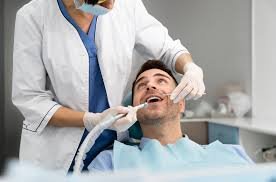
London dental practices report a noticeable shift in how patients describe their treatment goals. Rather than simply asking for “whiter teeth” or a “nice smile”, patients are arriving with detailed expectations shaped by digital photography, social media, and increased awareness of oral health. A consultation with a cosmetic dentist London often begins with a conversation not just about appearance, but about confidence, longevity, and practicality.
- Naturally Whiter Teeth Without an Artificial Look
- Subtle Alignment for a Straighter Smile
- Repairing Chips, Cracks, and Uneven Edges
- Closing Gaps Without Over-Treatment
- Replacing Missing Teeth with Confidence
- Healthier Gums and a Balanced Smile Line
- 7. Age-Appropriate Rejuvenation Rather Than Dramatic Change
- A Measured Approach to Modern Smile Goals
Dentists across the capital note that most requests fall into a small group of recurring themes. These goals reflect modern lifestyles: frequent video calls, close-up smartphone photography, and a growing understanding of how oral health affects general wellbeing. The emphasis is less on dramatic transformation and more on refinement, balance, and subtle improvement that suits the individual’s face and age.
Dr. Sahil Patel of MaryleboneSmileClinic, address: 66 Harley St, London W1G 7HD, 02071268526, explains that clarity of expectations is central to successful outcomes. He advises patients to research procedures carefully and to review clinical case examples before committing to treatment. “Patients should understand both the benefits and the limitations of cosmetic procedures,” he notes. “If you want reliable information about options such as veneers or composite bonding, you can access our website and explore detailed guidance before booking a consultation.” He adds that open discussion about long-term maintenance is just as important as the initial aesthetic result.
From whitening to alignment, the following seven smile goals represent the most frequent requests currently seen in leading London practices.
Naturally Whiter Teeth Without an Artificial Look
Tooth whitening remains one of the most commonly requested cosmetic treatments in London. However, the objective has changed. Patients are no longer asking for extremely bright, opaque shades. Instead, they want teeth that look naturally healthy and proportionate to their complexion and age.
Dentists report that many people bring reference photos to appointments, often pointing out what they do not want. An overly uniform, luminous white can appear unrealistic, particularly under natural daylight. Modern whitening systems allow gradual shade changes, enabling clinicians to stop at a point that enhances the smile without making it conspicuous.
Professional whitening carried out under dental supervision is also preferred over over-the-counter products. Patients are increasingly aware of the risks of enamel sensitivity and gum irritation. In-practice or dentist-prescribed home systems offer controlled concentrations of whitening agents, tailored trays, and clinical monitoring.
Another important factor is lifestyle. Coffee, tea, and red wine consumption are common in London, and patients want whitening results that can be maintained without constant retreatment. Dentists therefore emphasise maintenance plans, including periodic top-ups and dietary advice. The goal is sustainable brightness rather than a short-lived cosmetic boost.

Subtle Alignment for a Straighter Smile
Orthodontic requests are rising across adult age groups. Many London patients who did not have braces in their teens are now seeking discreet solutions to correct crowding, spacing, or minor bite issues. Clear aligner systems have contributed significantly to this trend.
Patients typically express a desire for subtle improvement rather than absolute perfection. Mild lower incisor crowding, slightly rotated teeth, or small gaps are common concerns. Digital treatment planning allows dentists to simulate projected results, helping patients visualise realistic outcomes before starting.
Time efficiency is another recurring theme. Working professionals often ask how long treatment will take and whether aligners will interfere with daily communication. Modern systems can address mild to moderate cases within months, and removable aligners allow flexibility for meetings and social events.
Importantly, dentists highlight the oral health benefits of alignment. Straighter teeth are easier to clean effectively, reducing the risk of gum disease and decay. Patients increasingly understand that alignment is not solely cosmetic but also preventative. In this way, orthodontic treatment bridges aesthetic and functional priorities, reflecting a broader approach to comprehensive dental care in London.
Repairing Chips, Cracks, and Uneven Edges
Small imperfections can significantly affect how patients perceive their smiles. Minor chips from accidents, uneven incisal edges, or worn enamel due to grinding are among the most frequent concerns raised during consultations.
Composite bonding has become a popular solution. This minimally invasive technique involves applying tooth-coloured resin to reshape or rebuild specific areas. Patients favour it because it often requires little or no removal of natural tooth structure. Treatment can frequently be completed in a single visit, making it attractive for busy Londoners.
Dentists report that many patients request edge refinement rather than dramatic reshaping. The aim is to create symmetry and balance while preserving individuality. Subtle contouring can soften a harsh line or lengthen a tooth slightly to improve harmony across the smile.
Durability is also discussed in detail. While composite bonding can provide excellent aesthetic results, it requires maintenance and may need polishing or replacement over time. Patients are increasingly receptive to honest conversations about longevity and cost-effectiveness. The prevailing goal is conservative enhancement that maintains as much natural enamel as possible while improving confidence in everyday interactions.
Closing Gaps Without Over-Treatment
Gaps between teeth, particularly in the upper front region, are another common request. Some patients appreciate their diastema as a distinctive feature, while others feel it distracts from an otherwise balanced smile. London dentists report that requests in this area tend to focus on proportion rather than complete elimination.
Treatment options vary depending on the size of the space and the patient’s bite. In some cases, orthodontic alignment is the most appropriate solution. In others, composite bonding or porcelain veneers may be considered. The decision often depends on the patient’s tolerance for treatment time, budget, and long-term goals.
Clinicians emphasise facial proportions when planning gap closure. Overly wide teeth can appear unnatural if a space is closed without regard to overall symmetry. Digital smile design tools help patients preview changes, encouraging informed consent.
There is also a growing awareness of functional considerations. Gaps may be associated with tongue posture or bite discrepancies. Addressing the underlying cause can prevent relapse after cosmetic treatment. Patients seeking a cosmetic dentist London based often expect this comprehensive evaluation, rather than a quick aesthetic fix. The emphasis is on thoughtful planning that aligns appearance with stability.
Replacing Missing Teeth with Confidence
Tooth loss, whether from decay, trauma, or gum disease, remains a significant concern across age groups. Patients increasingly view replacement not only as a functional necessity but also as essential to maintaining facial structure and self-esteem.
Dental implants are frequently requested due to their stability and resemblance to natural teeth. London dentists report that patients are well-informed about implant procedures, often having researched success rates and treatment stages in advance. However, misconceptions still arise regarding healing times and suitability.
Clinicians stress the importance of bone quality, general health, and long-term hygiene in determining candidacy. Alternatives such as bridges or removable dentures are also discussed openly. The most common patient goal is a fixed, natural-looking solution that restores both chewing ability and smile aesthetics.
Psychological impact is an important aspect of this request. Patients who have lost a visible front tooth often describe avoiding photographs or covering their mouths while speaking. Replacement treatment can therefore have a profound effect beyond oral function. The contemporary expectation is seamless integration, where replacement teeth are indistinguishable from the surrounding dentition in colour, shape, and contour.
Healthier Gums and a Balanced Smile Line
Gum health has become a more prominent part of aesthetic discussions. Patients now recognise that pink, firm, symmetrical gums are essential to an attractive smile. Requests relating to “gummy smiles” or uneven gum levels are increasingly common in London practices.
In some cases, excess gum display can be addressed through minor surgical contouring. In others, orthodontic or restorative approaches may be recommended. The objective is balance: teeth that are proportionate in length and framed by healthy tissue.
Dentists also observe heightened awareness of gum disease. Bleeding, recession, and inflammation are no longer dismissed as minor issues. Patients understand the connection between periodontal health and systemic conditions, prompting earlier intervention.
Preventative care underpins this smile goal. Regular hygiene appointments, tailored brushing instruction, and lifestyle advice form part of treatment planning. Aesthetic improvement is often a by-product of improved gum stability. When patients seek a cosmetic dentist London residents frequently expect integration between hygiene therapy and cosmetic design, ensuring that any enhancement rests on a healthy biological foundation.
7. Age-Appropriate Rejuvenation Rather Than Dramatic Change
A final trend reported by London dentists is the desire for age-appropriate rejuvenation. Rather than requesting a complete smile overhaul, many patients in their forties, fifties, and beyond ask for subtle measures that restore vitality without appearing artificial.
Common concerns include worn edges, slight darkening of enamel, and minor shifting of teeth over time. Treatments may combine gentle whitening, limited bonding, and discreet alignment. The guiding principle is preservation of character. Patients often state that they want to look “refreshed” rather than “different”.
Dentists carefully evaluate facial features, lip dynamics, and skin tone when planning these treatments. Excessively large or overly bright restorations can clash with natural ageing patterns. A measured approach typically delivers more satisfying long-term results.
Maintenance and follow-up care are integral to this goal. Age-related changes continue over time, and treatment plans must account for this. The emphasis is on longevity, comfort, and harmony with the patient’s evolving appearance. In London’s diverse population, this nuanced understanding of ageing and aesthetics has become central to modern dental practice.
A Measured Approach to Modern Smile Goals
Across these seven recurring requests, a consistent theme emerges: London patients value natural-looking, durable outcomes that align with their lifestyle and oral health needs. The focus is no longer on extreme transformation but on precise, well-planned refinement.
Dentists throughout the capital report that informed patients ask detailed questions about materials, maintenance, and long-term implications. This shift has encouraged more transparent consultations and comprehensive planning. Whether addressing whitening, alignment, or tooth replacement, the overarching objective is balance between aesthetics and function.
As expectations continue to evolve, the most successful outcomes arise from collaboration. Patients who articulate their goals clearly and clinicians who provide evidence-based guidance together achieve results that are both visually pleasing and biologically sound. In this way, the modern smile in London reflects not fashion alone, but thoughtful, personalised dental care designed to endure.