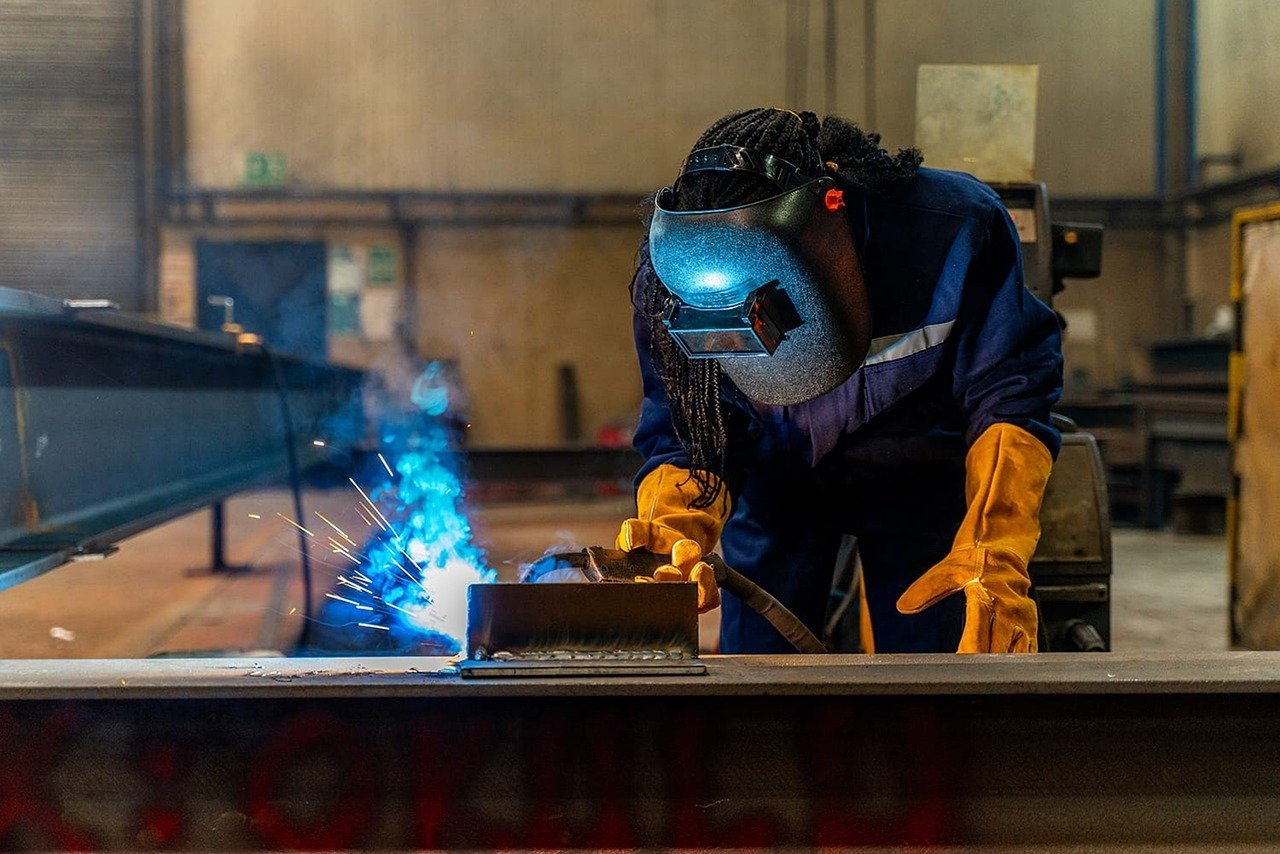
Employees getting hurt on the job happens more frequently than most people realize.
- Why Employees Getting Hurt at Work Is More Common Than You Think
- Employers Basic Responsibilities When Employees Get Hurt at Work
- Provide Immediate Medical Attention
- Document Everything
- File Required Reports
- Maintain a Safe Workplace
- Cooperate with All Investigations
- Don’t Retaliate
- Workers Compensation Insurance Employers Can’t Afford To Ignore
- The Worst Mistakes Employers Make When Employees Get Hurt
- Failure To Report Injuries Quickly
- Poor Record Keeping
- Pushing Employees to Return Too Soon
- Trying To Handle Claims Without Insurance
- Failing to Communicate
- Employees Needing Legal Help
- Navigating The Workers Compensation Claims Process
- Wrapping It Up
But when workplace injuries do occur, employers have legal duties they need to satisfy. Fail to do so and you could face serious consequences… including fines, lawsuits, and harm to your reputation.
Let’s break this down.
The reality is most employers know very little about what they should be doing when an employee gets hurt on the job. This creates a problem for both workers and companies.
The good news is it’s not complicated to understand what those responsibilities are. And being informed about these duties can help businesses and employees avoid unnecessary issues.
You’re about to learn:
- Why workplace injuries are more common than you think
- The basic responsibilities of employers
- Required workers compensation insurance info
- The most common employer mistakes
- Understand when employees need a lawyer
Keep reading to get the full details.
Why Employees Getting Hurt at Work Is More Common Than You Think
The statistics speak for themselves.
In 2024 employers reported 2.5 million nonfatal workplace injuries and illnesses.



That means 2.5 million employees got hurt on the job. Just last year.
Employees dying at work is just as big of a problem.
5,283 workers died from job injuries in 2023. That equates to 15 employees every single day.
With numbers that high, employer responsibilities when employees get hurt go beyond just compliance with the law.
When workers suffer injuries on the job they will often need help understanding their rights within the workers compensation system. Hiring a knowledgeable workers comp attorney out of Fresno can provide injured employees with the support they need to obtain the benefits they deserve.
Employers Basic Responsibilities When Employees Get Hurt at Work
Employers have immediate responsibilities they need to address when workers are injured on the job. Skipping steps creates legal exposure for your company.
Here are the basics.
Provide Immediate Medical Attention
This should be obvious, but employees need to get medical treatment when hurt on the job. Waiting around will only make matters worse for both the employee and employer.
Document Everything
This point deserves emphasis. Write down exactly what happened leading up to the injury. Take notes on conversations with the employee and witnesses.
You’ll be thankful you did if a claim is filed.
File Required Reports
Every state requires employers to file workers injury reports within a certain number of days.
Fail to file and your company can be fined.
Maintain a Safe Workplace
Employers should investigate what caused the injury to occur and implement measures to prevent similar injuries from happening.
Cooperate with All Investigations
Whether it’s OSHA showing up or your own internal investigation, always cooperate 100%. Denying access will land you in hot water.
Don’t Retaliate
This is very important to know…
It is illegal for employers to retaliate or punish workers for filing injury claims. Firing, laying off, or demoting employees can lead to major legal issues for your business.
Workers Compensation Insurance Employers Can’t Afford To Ignore
Here is a wake-up call if your business doesn’t already have workers compensation insurance.
Employers are required to have workers compensation insurance.
If you work for an employer that doesn’t have workers comp insurance and you get hurt on the job you should consult with a workers compensation attorney immediately.
Workers compensation insurance provides benefits to employees who are injured on the job including:
- Medical treatment
- Wage replacement
- Rehabilitation benefits
- Disability benefits
In exchange for accepting these guaranteed benefits, employees give up the right to sue their employer for workplace injuries.
However…
Just because insurance companies have to pay doesn’t mean they will.
Insurance companies are experts at finding loopholes and denying claims. Approximately 7% of workers compensation claims are denied by insurance companies today. And that number has been rising in recent years.
But here’s the thing…
If a claim is denied, it doesn’t mean the worker shouldn’t pursue it. Many workers denied workers comp benefits are winning on appeal with the help of an attorney.
The Worst Mistakes Employers Make When Employees Get Hurt
You know what gets employers in trouble?
Making mistakes after employees get hurt on the job.
These are the most common (and expensive) mistakes employers make.
Failure To Report Injuries Quickly
Many states have strict deadlines for reporting workplace injuries. Waiting too long to report will raise suspicion with your insurance company. You also risk being penalized by your state.
Poor Record Keeping
Detailed and accurate record-keeping is your best defense against fraud. Also, poor record-keeping can come back to haunt you if OSHA decides to conduct an investigation.
Pushing Employees to Return Too Soon
Don’t pressure injured workers to come back before they are cleared by a doctor. A couple extra days off isn’t going to hurt your bottom line.
Trying To Handle Claims Without Insurance
This should go without saying, but employers who try to handle workers compensation claims without insurance are breaking the law.
Failing to Communicate
After employees get injured, they often feel confused about their rights. Employers who don’t keep injured workers in the loop only amplify these frustrations.
Employees Needing Legal Help
Should employees hire a lawyer after every work injury?
No, but there are certain instances where hiring a workers compensation attorney is highly recommended.
Employees should consult with an attorney if:
- Their claim gets denied
- They face retaliation from their employer
- They’re offered a settlement
- A permanent disability has occurred
- A third party was responsible for the accident
- They’re being forced to return to work too soon
But here’s the reality of workers compensation claims.
Insurance companies have lawyers and experts whose sole job is to pay out as little as possible.
Employees who decide to represent themselves are often at a disadvantage from the start. Data has shown that workers who hire an attorney tend to receive larger settlements than workers who represent themselves.
Navigating The Workers Compensation Claims Process
The workers compensation claims process doesn’t have to be complicated.
Just follow these steps.
Step 1: Report the injury to your employer
Step 2: Seek Medical Attention
Step 3: File Your Claim
Step 4: Follow Up
Step 5: File An Appeal (if necessary)
Employees shouldn’t hesitate to fight for the benefits they deserve either. With the right documentation and legal support, there’s a good chance those initially denied benefits can be recovered on appeal.
Wrapping It Up
Employers have a duty to provide a safe working environment for their employees. When an injury does occur, they need to understand what their next steps should be.
Failing to provide medical care, document the injury, and report it to your insurance company will only cause more problems if a claim is filed.
Let’s review:
- Employers have defined responsibilities they must follow
- Failure to do so can result in fines and/or lawsuits
- Workers compensation insurance is required
- Employees have the right to fight denied claims
- Employees should consider hiring a lawyer
Knowing your responsibilities as an employer will not only help you avoid legal issues, but it also shows employees that you care about their well-being.
Employers that handle workplace injuries correctly from the beginning set themselves up for success.