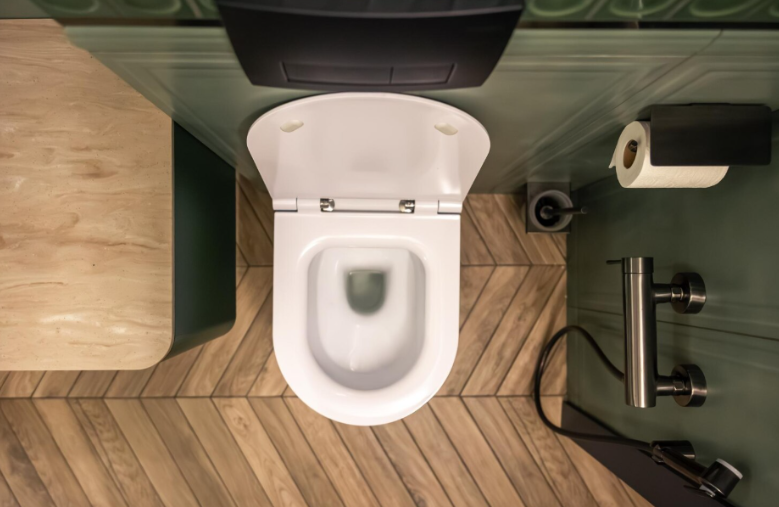
A low toilet water level is a problem many homeowners encounter, and while it might seem minor, it can affect flushing efficiency, cause unpleasant odours, and even lead to clogs over time. Understanding why the toilet water level is low and how to fix it can save time, money, and frustration.
Common Causes of Low Toilet Water Level
There are several reasons why a toilet may not fill properly. One of the most frequent causes is a faulty fill valve. The fill valve controls the water flow into the toilet tank, and if it is worn, clogged, or incorrectly adjusted, the water may stop filling at a lower level than intended.
Another common reason is a problem with the flapper. When the flapper is damaged, misaligned, or fails to seal properly, it can cause continuous water leakage from the tank, leading to low water levels in your toilet and reduced flushing efficiency. The flapper is a rubber seal at the bottom of the tank that releases water into the bowl when the toilet is flushed. If the flapper is damaged or not seating correctly, water can leak slowly from the tank into the bowl, resulting in a lower water level.
Obstructions in the water supply line can also contribute to the issue. Sediment, mineral buildup, or partial blockages reduce water flow into the tank, preventing it from reaching the proper level. Similarly, a misaligned or worn-out overflow tube can allow water to escape before the tank is full, lowering the water level.
Finally, the design or type of toilet can affect water levels. Older or high-efficiency toilets often use less water per flush, which may appear as a low water level even when the toilet functions normally.
How to Fix a Low Toilet Water Level
Fixing a low toilet water level often involves simple adjustments or part replacements. The first step is to check the water supply. Ensure the shut-off valve is fully open and that water pressure is sufficient.
If the fill valve is the issue, adjusting the float or replacing the valve entirely is often the solution. Modern fill valves have an adjustable float that can be raised to increase the tank’s water level. If adjusting the float does not resolve the problem, replacing the valve with a compatible model is recommended.
For flapper-related issues, inspect the flapper for cracks, warping, or mineral buildup. Cleaning or replacing the flapper can stop leaks and restore proper water levels. Be sure it sits snugly on the flush valve to prevent water from seeping into the bowl.


Cleaning the tank and removing sediment or debris from supply lines and the fill valve can also improve water flow. Using a brush or vinegar solution to dissolve mineral deposits is a safe and effective method for maintaining a clean water path.
In cases where the overflow tube is misaligned or damaged, repositioning it or replacing it with a new one ensures water stops filling at the correct level. Regular maintenance checks help prevent such issues from recurring.
Preventive Tips for Maintaining Proper Toilet Water Levels
Routine inspection of the tank and components can prevent water level issues. Checking the fill valve, flapper, and overflow tube at least once a year helps catch wear or damage before it affects performance.
Avoid using harsh chemicals in the toilet tank, as they can degrade rubber components like flappers and gaskets. Instead, opt for gentle cleaning solutions to maintain longevity.
If the toilet is older, consider upgrading to a modern low-flow or dual-flush model. These designs are more efficient and often feature improved fill valves and flappers that maintain consistent water levels without manual adjustments.
Conclusion
A low toilet water level can disrupt flushing performance and create unnecessary problems if left unaddressed. Most causes, such as a faulty fill valve, leaking flapper, or sediment buildup, are straightforward to fix with basic adjustments or replacements. Routine maintenance and careful observation can prevent these issues from becoming recurring headaches.
By understanding why the toilet water level is low and taking practical steps to address it, homeowners can ensure their toilets function efficiently and effectively, avoiding costly repairs and improving daily convenience.
FAQs
Why is my toilet water level low after flushing?
This is usually due to a faulty fill valve, a leaking flapper, or a misaligned overflow tube. Checking and adjusting these components often resolves the issue.
Can I fix a low water level myself?
Yes, most low water level problems can be fixed by adjusting the float, replacing the fill valve, or replacing the flapper.
How do I prevent low water levels in my toilet?
Regularly inspect tank components, clean out sediment, and replace worn parts. Avoid harsh chemicals that can damage rubber seals.
When should I call a plumber?
If adjustments and simple part replacements do not restore the water level, or if there is a persistent leak, it’s best to call a licensed plumber for a professional assessment.