When people think about high electricity bills, they often blame large appliances like air conditioners, heaters, or refrigerators. While those certainly consume a lot of energy, small everyday devices can quietly add to your electricity costs without you even noticing.
- 1. Phone Chargers Left Plugged In
- 2. Wi-Fi Routers
- 3. Televisions on Standby Mode
- 4. Cable Boxes and Streaming Devices
- 5. Desktop Computers and Monitors
- 6. Kitchen Appliances Left Plugged In
- 7. Smart Home Devices
- Why Small Devices Add Up
- Managing Energy Costs at Home
- Simple Tips to Reduce Hidden Energy Use
- Frequently Asked Questions (FAQs)
- Do small devices really increase electricity bills?
- What is standby or phantom energy?
- Which small device uses the most electricity?
- Is it safe to unplug devices regularly?
- Do smart home devices use a lot of electricity?
- How can I easily reduce standby power?
- Final Thoughts
These devices often run continuously or use standby power, which means they consume electricity even when you’re not actively using them. Over time, this hidden energy use can increase your monthly bill.
In this article, we’ll uncover 7 small devices that secretly increase your electric bill and share simple ways to manage their energy usage.
1. Phone Chargers Left Plugged In
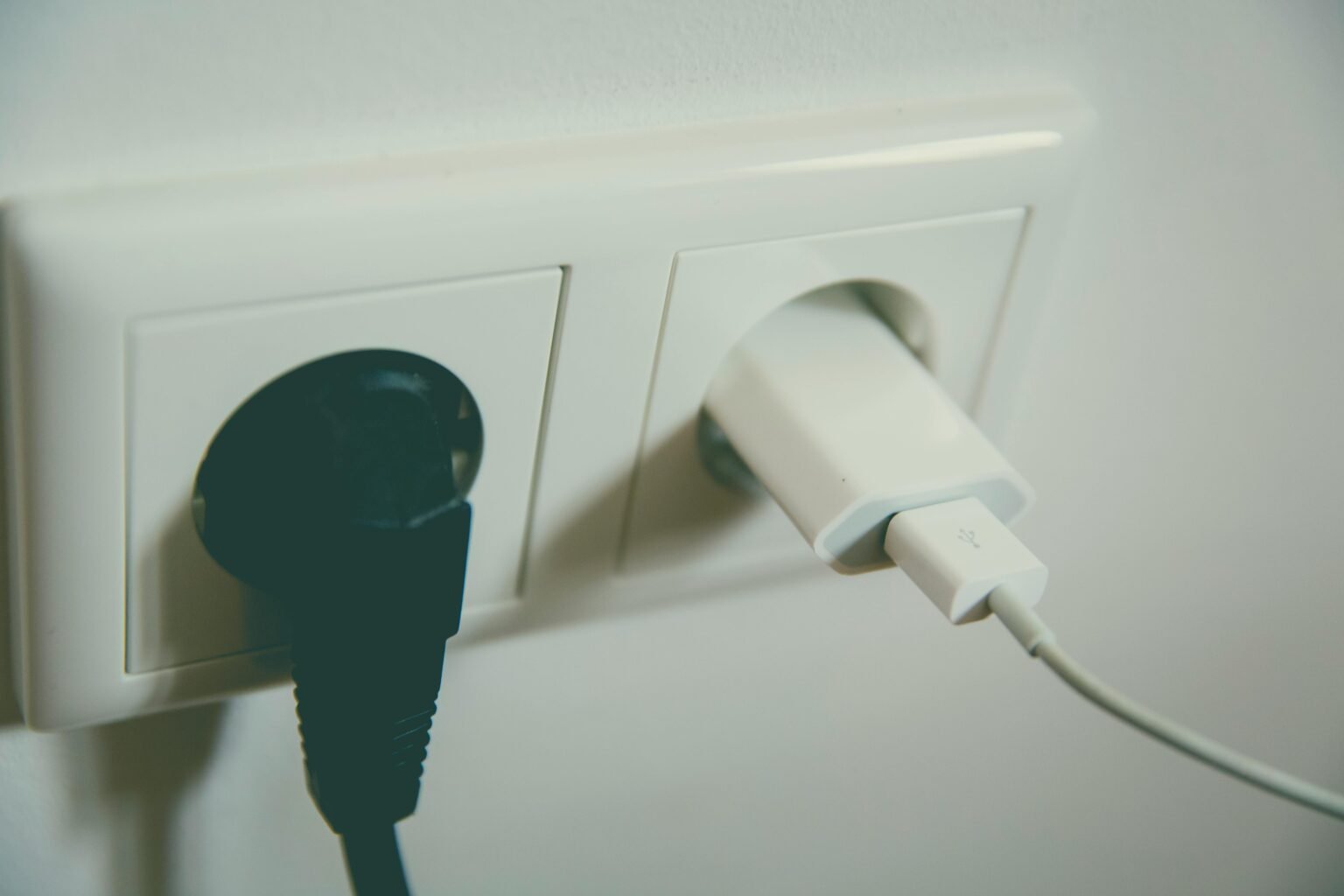
It may seem harmless to leave your phone charger plugged in all day, even when it’s not charging a device. However, chargers continue to draw a small amount of electricity when left plugged in.
This is known as standby or phantom energy.
What you can do:
- Unplug chargers when not in use
- Use a power strip to turn off multiple devices at once
While each charger uses only a tiny amount of electricity, multiple chargers throughout the home can add up.
2. Wi-Fi Routers
Wi-Fi routers run 24/7 to keep your home connected. Although they don’t use a lot of electricity individually, their constant operation means they contribute to your overall energy use.
What you can do:
- Place the router in a well-ventilated area to improve efficiency
- Turn it off when you’re away for extended periods
Because routers are always on, even small energy use can accumulate over time.



3. Televisions on Standby Mode
Many televisions remain in standby mode even when turned off. This allows them to power on quickly, but it also means they continue using electricity.
What you can do:
- Turn off the TV completely at the power source
- Use smart power strips to cut off standby power
Reducing standby usage can help lower unnecessary electricity consumption.
4. Cable Boxes and Streaming Devices
Cable boxes, streaming sticks, and media players are often left running continuously.
These devices may:
- Stay active in the background
- Download updates
- Maintain internet connections
What you can do:
- Turn off devices when not in use
- Enable power-saving settings
Even though they are small, these devices can contribute to ongoing energy use.
5. Desktop Computers and Monitors
Computers are essential in many homes, but they can consume more electricity than expected—especially if left on or in standby mode.
What you can do:
- Shut down computers when not in use
- Enable sleep mode settings
- Turn off monitors separately
Switching to laptops, which typically use less energy, can also help reduce electricity consumption.
6. Kitchen Appliances Left Plugged In
Small kitchen appliances like coffee makers, microwaves, and toaster ovens often stay plugged in all the time.
Many of these devices have:
- Digital clocks
- Display panels
- Standby functions
What you can do:
- Unplug appliances when not in use
- Use power strips to manage multiple devices
These small energy draws can add up over time, especially in busy households.
7. Smart Home Devices
Smart speakers, smart plugs, and other connected devices are becoming increasingly popular.
While convenient, they often remain powered at all times to stay connected and respond to commands.
What you can do:
- Turn off devices when not needed
- Adjust settings to reduce unnecessary activity
Although each device uses minimal energy, having several in one home can increase overall electricity usage.
Why Small Devices Add Up
Individually, these devices may only use a small amount of electricity. However, when multiple devices are running continuously or left on standby, their combined energy use becomes noticeable.
For example:
- Several chargers plugged in
- Multiple smart devices running 24/7
- Electronics left on standby
Together, these can contribute to higher monthly electricity bills.
Managing Energy Costs at Home
Understanding how small devices affect electricity use is an important step toward managing your energy costs.
While reducing standby power can help, electricity bills are also influenced by pricing and energy plans. In some areas, homeowners may look into regional energy costs—similar to how people track dayton ohio gas prices, to better understand how pricing fluctuations impact their overall utility expenses.
Combining energy awareness with smart usage habits can help households stay in control of their electricity bills.
Simple Tips to Reduce Hidden Energy Use
Here are a few practical ways to reduce electricity consumption from small devices:
- Use smart power strips to cut off standby power
- Unplug devices when they are not in use
- Enable energy-saving settings on electronics
- Limit the number of always-on devices
- Do a daily check for unnecessary energy use
These habits can help reduce energy waste without affecting your daily routine.
Frequently Asked Questions (FAQs)
Do small devices really increase electricity bills?
Yes. While each device uses a small amount of electricity, the combined effect of multiple devices can increase overall energy consumption.
What is standby or phantom energy?
Phantom energy is the electricity used by devices that are plugged in but not actively being used.
Which small device uses the most electricity?
Devices that run continuously—such as routers and cable boxes—tend to use more electricity over time.
Is it safe to unplug devices regularly?
Yes. Unplugging devices when not in use can reduce energy consumption and is generally safe.
Do smart home devices use a lot of electricity?
Individually, they use very little, but multiple devices running continuously can add up.
How can I easily reduce standby power?
Using power strips and unplugging unused devices are simple ways to reduce standby energy use.
Final Thoughts
It’s easy to overlook the impact of small devices on your electricity bill, but their constant energy use can quietly add up over time. Chargers, routers, TVs, and smart devices may seem insignificant individually, but together they can contribute to higher monthly costs.
The good news is that reducing this hidden energy use is simple. By unplugging unused devices, using energy-saving settings, and being mindful of standby power, you can take control of your electricity consumption.
Small changes, when practiced consistently, can lead to meaningful savings—and a more energy-efficient home.