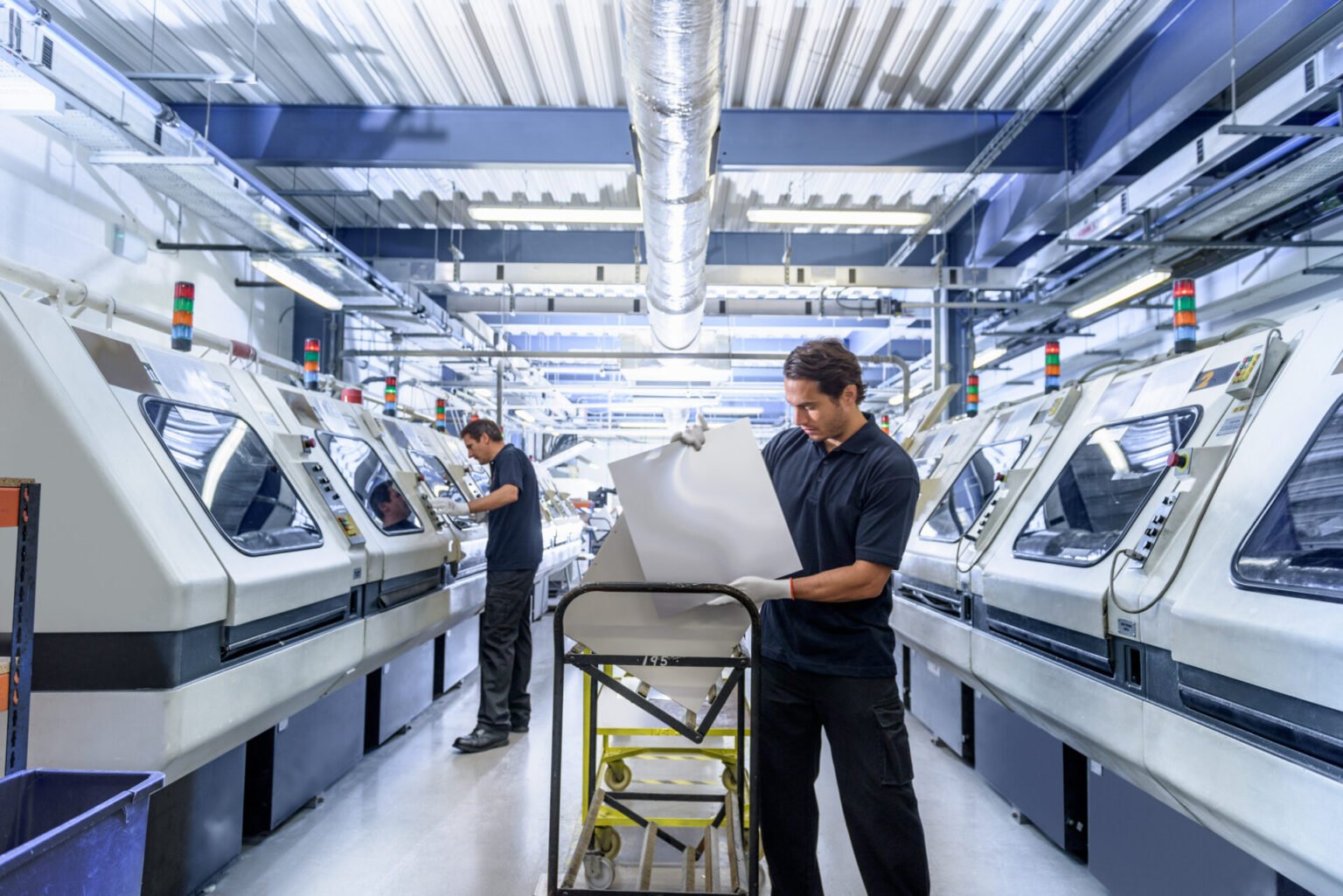
Launching a new conditioner line often begins with brand positioning, fragrance selection, and performance claims. Yet beneath these creative decisions lies a complex engineering process. Conditioner manufacturing involves emulsion stability, ingredient compatibility, production scale-up, and regulatory compliance. When early-stage brands underestimate these technical layers, small formulation oversights can evolve into costly production setbacks.
Startups entering the beauty market frequently focus on marketing readiness before fully validating manufacturing feasibility. Below are five engineering mistakes brands commonly make during early-stage conditioner manufacturing—and why they matter.
1. Scaling Lab Formulas Without Process Validation
Many brands begin with small-batch laboratory samples that perform well under controlled conditions. However, laboratory mixing does not replicate industrial production.
In scaled environments, differences in:
- Mixing shear rates
- Heating and cooling speeds
- Batch size variability
can alter emulsion stability and texture.
A formula that appears smooth in a test beaker may separate when processed in large tanks. Conditioner manufacturing requires validation at pilot scale before full production runs. Skipping this stage often leads to rework, ingredient waste, and delayed launches.
2. Ignoring Emulsion Stability Under Temperature Stress
Conditioners are typically emulsions composed of water, conditioning agents, and oils. Emulsion integrity depends on balanced surfactant systems and consistent processing.
Early-stage brands sometimes fail to conduct stability testing across temperature variations. Distribution channels may expose products to heat during shipping or cold during storage.



Without stress testing, issues may arise such as:
- Phase separation
- Viscosity changes
- Fragrance instability
The U.S. Food and Drug Administration outlines safety and labeling expectations for cosmetic products, but stability responsibility rests with the manufacturer. Conditioner manufacturing partners must conduct controlled testing to ensure performance consistency.
3. Overlooking Equipment Compatibility
Certain conditioning agents and botanical extracts require specialized mixing or heating conditions. Brands that design formulations without understanding production equipment constraints may encounter incompatibilities.
For example:
- High-viscosity blends may strain pumps
- Heat-sensitive actives may degrade during extended processing
- Fine particulate additives may clog filling systems
Successful conditioner manufacturing depends on aligning formulation chemistry with available equipment capabilities.
Engineering oversight during formula development reduces downstream mechanical challenges.
4. Underestimating Preservative Systems
Preservative effectiveness is critical in water-based cosmetic products. Early-stage brands sometimes select preservative systems based on marketing positioning rather than microbial protection performance.
Insufficient preservation can lead to:
- Product spoilage
- Texture degradation
- Safety concerns
Manufacturers must conduct preservative efficacy testing to confirm resistance to contamination. Stability under varying environmental conditions should be validated before distribution.
Inadequate microbial control creates both regulatory and reputational risk.
5. Failing to Plan for Multi-SKU Changeovers
As brands expand product lines to include variants—such as color-safe, volumizing, or repair-focused conditioners—production complexity increases.
Early engineering oversight often neglects:
- Cleaning validation between batches
- Fragrance cross-contamination risk
- Efficient changeover scheduling
Without structured procedures, production delays and quality inconsistencies become more likely.
Experienced conditioner manufacturing facilities implement defined cleaning protocols and changeover processes to maintain product integrity across SKUs.
Why Engineering Discipline Matters Early
Conditioner manufacturing is not simply a blending process. It is a structured engineering workflow that integrates chemistry, thermal control, mixing dynamics, and packaging compatibility.
Brands that invest in early-stage validation benefit from:
- Reduced production waste
- Improved batch consistency
- Faster scale-up timelines
- Lower recall risk
Engineering discipline prevents the need for corrective reformulation after market launch.
Conclusion
Early-stage conditioner manufacturing presents technical challenges that extend beyond formulation creativity. Scaling without validation, ignoring temperature stability, overlooking equipment compatibility, underestimating preservative systems, and neglecting changeover planning are common mistakes that can disrupt production.
Brands seeking structured production support can explore experienced conditioner manufacturing partners to ensure engineering feasibility aligns with product vision.
In competitive beauty markets, operational precision is as important as branding. Addressing engineering fundamentals early reduces costly setbacks and supports sustainable growth in conditioner manufacturing