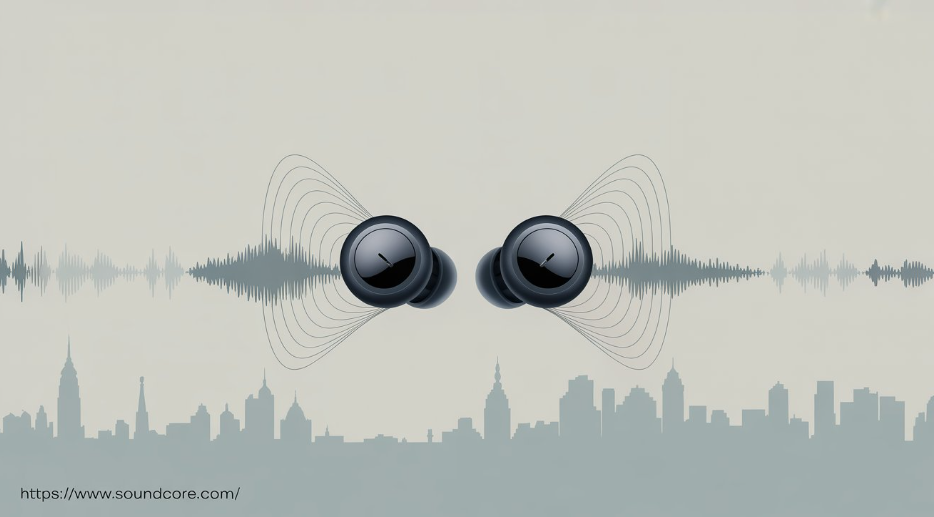
A few years ago, I still carried wired earbuds “just in case.” They lived tangled in a side pocket, mostly forgotten, pulled out only when Bluetooth acted up or batteries died at the wrong moment. That pocket is empty now. Not because I planned it, but because true wireless earbuds quietly solved enough daily annoyances that I stopped thinking about alternatives altogether.
- When wireless stopped being a trade-off
- What actually matters when choosing earbuds
- Comfort beats everything else
- Sound clarity over “wow” tuning
- Noise cancellation that knows its place
- Battery life that matches real habits
- Calls, meetings, and being understood
- How earbuds fit into real life
- The quiet evolution of quality
- Choosing without overthinking
- A tool, not a trophy
That shift didn’t happen overnight. Early wireless buds felt like compromises—awkward fits, spotty connections, thin sound. The current generation feels different. More mature. More honest about what people actually need when they put something in their ears for hours every day.
Here’s the thing: most people aren’t chasing studio perfection. They’re chasing reliability, comfort, and sound that holds up across real life—commutes, calls, workouts and late-night listening when the house is finally quiet.
When wireless stopped being a trade-off
The rise of wireless bud earphones isn’t just about convenience. It’s about friction disappearing. No cables catching on jackets. No phone yanked off a desk mid-call. No mental overhead.
Once Bluetooth became stable enough and battery life crossed a certain threshold, wired options started feeling like work. Not better. Just familiar.
True wireless earbuds now slip into daily routines the way wristwatches used to. You don’t think about them unless something goes wrong. That’s the bar.
What actually matters when choosing earbuds
Spec sheets are useful, but they don’t tell you how something feels on day three of a business trip or during the fourth Zoom call in a row. After rotating through more earbuds than I’d like to admit, a few priorities keep showing up.
Comfort beats everything else
If earbuds aren’t comfortable, nothing else matters. Sound quality won’t save them.



Ear shape varies wildly, which is why good earbud design focuses less on being flashy and more on weight distribution, nozzle angle and pressure points. The best designs almost disappear after ten minutes. You stop adjusting them. You forget they’re there.
This matters even more for people who wear earbuds at a desk all day. Comfort for long wear isn’t a luxury—it’s the difference between something you use daily and something that lives in a drawer.
Sound clarity over “wow” tuning
Big bass grabs attention in the first five minutes. Clear mids keep you listening all week.
For everyday listening—podcasts, playlists, videos—balanced sound wins. Vocals should sound natural, not pushed forward or buried. Bass should feel controlled, not bloated. Highs should add detail without fatigue.
Most people don’t need audiophile tuning. They need earbuds that sound consistent across genres and volumes. The kind you can use quietly at night without losing detail, then turn up on a noisy train without everything collapsing into mush.
Noise cancellation that knows its place
Active noise cancellation is useful, but it’s not magic. The best implementations reduce low, steady noise—engines, HVAC hum, traffic—without creating pressure or distortion.
What matters more is how ANC fits into daily usability. Does it adapt when you move from a café to the street? Can you switch to transparency mode quickly when someone talks to you? Does your voice still sound like your own on calls?
Good noise cancellation feels supportive, not aggressive.
Battery life that matches real habits
Manufacturers love quoting big numbers, but real battery backup is about behavior.
Most people charge their earbuds in short bursts—while showering, during lunch, overnight. A solid charging case that reliably tops things up matters more than squeezing an extra hour out of the buds themselves.
Consistency is key. You want to trust that when you grab the case, you’re good for the day. No battery anxiety. No rituals.
Calls, meetings, and being understood
Earbuds aren’t just for music anymore. They’re work tools.
Clear microphones, stable connections, and sensible noise reduction on calls matter a lot if you take meetings on the move. You don’t need to sound like you’re in a studio. You just need to sound human and understandable.
The best earbuds handle wind, background chatter, and sudden noises without turning your voice into a robot. That’s harder than it sounds—and noticeable when it’s done well.
How earbuds fit into real life
Specs fade fast when you start using earbuds the way most people do.
On a commute, you want quick pairing, reliable ANC, and controls that work with gloves or cold fingers. During workouts, secure fit and sweat resistance matter more than perfect soundstage. At home, low-latency video sync and comfort take priority.
Travel exposes everything. Battery life. Connection stability. Whether earbuds stay comfortable after three hours in a plane seat. Whether the charging case slips easily into a pocket instead of bulging awkwardly.
The best wireless bud earphones are the ones that don’t force you to change habits. They adapt to yours.
The quiet evolution of quality
What’s interesting about modern premium true wireless earbuds isn’t that they’re flashy—it’s that they’re restrained.
Designs are cleaner. Controls are simpler. Features exist because they solve problems, not because they look good on a box. Even sound tuning has grown more sensible, aiming for versatility instead of extremes.
That maturity shows up in small details: earbuds reconnect instantly when you put them in, transparency mode sounds natural instead of tinny, and battery indicators are accurate enough to trust.
You don’t notice these things until you go back to something that doesn’t do them.
Choosing without overthinking
If you’re shopping today, ignore the hype cycles. Focus on how you’ll actually use your earbuds.
Ask yourself:
- Will I wear these for hours at a time?
- Do I take calls on the go?
- Do I commute, work out, or travel regularly?
- Do I value calm, balanced sound over exaggerated effects?
Answer those honestly, and the right option becomes clearer.
True wireless earbuds have reached a point where most reputable models get the basics right. The differences live in refinement, comfort, and how well everything works together.
A tool, not a trophy
The best tech fades into the background. That’s true for phones, laptops, and especially earbuds.
When wireless earbuds stop demanding attention—when they fit well, sound right, last all day, and don’t interrupt your routine—that’s when they earn their place.
Not as status symbols. Not as spec champions. Just as tools that quietly do their job, day after day.
And honestly, that’s when you stop thinking about them at all.