Key Takeaways
- Immediate action after a spill can prevent permanent stains and deeper contamination inside sofa cushions.
- Blotting—not rubbing—is the first and most important step to control liquid spread.
- Different spills (coffee, wine, oil, and sauces) require slightly different handling approaches.
- Household cleaning attempts should be cautious to avoid pushing liquids deeper into upholstery fibres.
- Once moisture penetrates the padding and fabric layers, professional sofa cleaning in Singapore may be necessary to remove residue and odours fully.
Introduction
A spill on the sofa rarely happens at a convenient moment. Whether it is coffee during a morning rush, juice during family movie night, or sauce during a casual dinner on the couch, liquids can quickly seep into upholstery fibres and cushion padding. Once absorbed, they can leave stains, odours, and even encourage bacterial growth if not addressed promptly.
Knowing what to do immediately after a spill can significantly reduce long-term damage. Upholstered sofas are layered structures made of fabric, foam, batting, and sometimes springs. Liquids that reach deeper layers become difficult to remove with simple surface cleaning. The steps taken within the first few minutes often determine whether the incident becomes a minor inconvenience or a costly cleaning problem that may need professional sofa cleaning.
Step 1: Act Immediately and Blot the Spill
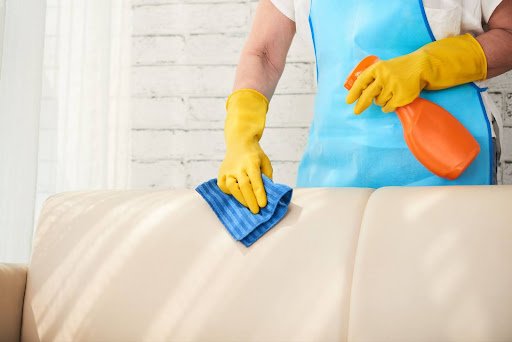
The first and most critical action is to blot the spill immediately using a clean cloth, paper towel, or absorbent fabric. Press gently on the affected area to absorb as much liquid as possible. Avoid scrubbing or rubbing, as this motion spreads the liquid across a larger surface area and pushes it deeper into the sofa fabric.
Blotting works by drawing moisture upward from the upholstery fibres. Continue replacing the cloth or paper towel as it becomes saturated. The goal is to remove as much liquid as possible before it penetrates deeper layers of the cushion. Acting quickly within the first few minutes greatly reduces the risk of staining.
Step 2: Identify the Type of Spill
Different liquids behave differently on upholstery surfaces. Water-based drinks such as tea, coffee, or juice are typically easier to remove if handled quickly. Oil-based spills, such as gravy, salad dressing, or greasy food residue, tend to cling to fibres and require more careful treatment.
It is important to determine what caused the spill before applying any cleaning solution. Applying water to oil-based stains may spread the residue rather than remove it. Conversely, some sugary drinks can leave sticky residues that attract dust if not properly rinsed. Understanding the nature of the spill helps determine the safest cleaning approach.
Step 3: Light Surface Cleaning
After blotting the excess liquid, a mild cleaning solution can be used to treat the affected area. A small amount of diluted upholstery-safe detergent or mild soap mixed with water can be applied using a damp cloth. The key is to use minimal moisture while gently dabbing the surface rather than saturating the fabric.
Testing the solution on a hidden section of the sofa is recommended before applying it to visible areas. Some fabrics may react poorly to certain cleaning agents, leading to discolouration or fabric damage. Lightly blot the treated area again with a clean cloth to remove any remaining residue.



ALSO READ: The Importance of Upholstery Cleaning for Allergen Control
Step 4: Allow Proper Drying
Proper drying is essential after cleaning. Moisture trapped within sofa cushions can lead to unpleasant odours or mould growth if left unattended. Leave the cushions uncovered and allow air circulation around the area. Using a fan or opening windows can accelerate the drying process.
Avoid using excessive heat, such as hair dryers or heaters, directly on the fabric. High temperatures can damage upholstery fibres and may cause stains to set more firmly. Controlled air drying is the safest method.
Step 5: Monitor for Residue or Odour
Even after surface cleaning, some spills leave behind residues that only become noticeable after the fabric dries. Sugary drinks can cause stiffness, dairy-based spills may produce sour odours, and wine or coffee may leave faint staining that gradually becomes more visible.
Once the spill has penetrated deeper into the padding, standard household cleaning methods may not fully remove the contamination. Residual moisture inside foam layers can also contribute to lingering smells over time.
When Professional Cleaning Becomes Necessary
Some spills go beyond what simple blotting and surface cleaning can address. Liquids that seep into foam cushions, padding layers, or structural seams require deeper extraction methods. Professional upholstery technicians use specialised equipment designed to flush contaminants from deep within the sofa while extracting moisture efficiently.
Professional sofa cleaning in Singapore can help remove embedded residues, eliminate odours, and restore the upholstery fabric in such cases without causing further damage. Deep cleaning equipment also ensures that cushions dry properly, reducing the risk of mould growth or long-term deterioration.
Conclusion
Spills on sofas are common, but the response in the first few minutes determines how severe the outcome becomes. Immediate blotting, identifying the spill type, applying mild surface cleaning, and allowing proper drying can significantly reduce the likelihood of lasting stains or odours.
However, when liquids penetrate deeper layers of upholstery, household cleaning methods may not be enough to resolve the issue completely. Professional sofa cleaning in Singapore provides the specialised tools and techniques required in those situations to remove hidden contamination and restore the sofa to a hygienic condition.
Visit Clean Care and restore your upholstery, remove hidden residues, and bring your sofa back to a hygienic, comfortable state.