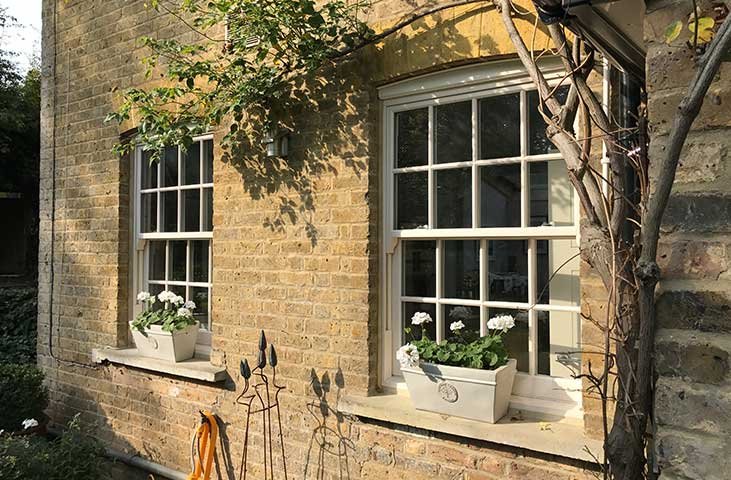
Period properties have a unique charm that differentiates them from other modern constructions, and much of this charm derives from their original architectural features. Among these elements, windows play a significant role in determining a home’s aesthetic and historical authenticity. Georgian and Victorian buildings of the country demonstrate beautiful vertical sliders and have proven to be timeless. These antique fixtures are the reflections of a time when attention to detail mattered the most.
For anyone fortunate enough to own these heritage buildings, these original elements must be given careful consideration. Maintaining timber sash windows would be conserving architectural heritage that deserves proper care.
Here’s what every property owner should know about timber sash windows in period homes.
The unique architecture of the timber sash windows
The timber sliding sash windows are designed on principles developed many centuries ago, yet their engineering is still remarkable. The two panels are designed to move vertically within a frame, supported by counterweights hidden within the box structure. This mechanism enables a fine regulation of ventilation.
The main architectural features are:
- Period houses have timber sash windows standard sizes which match the architectural conventions of that period, but most properties had custom dimensions for room proportions.
- It has glazing bars in typical grid designs of six-over-six or eight-over-eight panes, which form the typical period look.
- Materials are also important; hardwoods such as oak have long been popular for their outstanding strength and durability.
Understanding the repair requirements of timber sash windows
Degradation is a slow, often subtle process. Difficulty opening or closing sash points to issues with the balance system or to moisture-related swelling. It is important to identify issues early.
Common indicators that need to be noted:
- Draughts around the frame have worn out, or joints have weakened over time and are less efficient thermally.
- Bubbles and flakes of paint are a sign of moisture infiltration, which can cause rot if left unchecked.
- Soft parts of timber indicate decay and need urgent attention from experts.
- Rattling when the wind blows implies that parting beads or staff beads are worn away.
These conditions require immediate timber sash window repairs to prevent minor problems from becoming major structural issues.
The case for restoration over replacement
Most period house owners face a dilemma: whether to replace old windows with modern ones or restore the old ones. Restoration preserves originality, which plays a major role in property value and aesthetics.
Why restoration makes sense:
- Original timber sash windows feature old-growth timber with the density and grain quality that are very rare in modern materials. Therefore, they can last longer when in good condition.
- Conservation areas and listed buildings require retention of original features, so restoration is better and even essential.
- The environmental factors support restoration, since extending the material’s life minimises waste and eliminates the carbon footprint from manufacturing replacements.
Skilled artisans can deal with dots, recycle parts, and improve draught-proofing without losing authenticity.
Bespoke solutions to unique requirements
Period properties are not always standardised in size, especially those constructed during the transitional architectural periods or made by a single architect. It is where bespoke timber sash windows meet the needs of unique property openings or owners who want the exact replication.
What specialist services provide:
- Accurate measurements and creation of windows with the existing profiles, glazing bar patterns, and timber species.
- Invaluable support in extending period properties, so that new additions can match perfectly with the old features.
- Experienced specialists from a timber window company bring expertise in matching historical styles with modern performance improvements.
It is done through site surveys and in-depth discussions on timber choice.
Budgeting and planning for quality work
Investment in quality joinery varies considerably based on numerous factors. If you are repairing or replacing, it determines the baseline of your budget.
What affects the price:
- Timber sash window costs depend on the wood you use, as hardwoods are more expensive but will last longer.
- Bigger windows require more materials and are more time-consuming to manufacture.
- Better glazing is more expensive, particularly the slim double-glazing, which is appropriate for period houses.
- Timber sliding sash windows prices often include making, fitting, and finishing, though you may pay more for preparation tasks.
Get quotes from multiple craftspeople, as you can, then compare what you are getting. Good work will reap rewards in the long run, with reduced energy bills, enhanced safety, and increased property value.
Conclusion
Your period property is a story that deserves to continue and represents part of what makes these homes special and worth preserving for future generations. Looking after a period property means investing in the details that give it character and appeal. Whether you replace damaged parts or order custom ones, the choices you make now determine the appearance and performance of your home over the next few decades.
Getting it right implies having craftspeople who know both the heritage and the practicalities involved. Companies like SJB Sash Windows have built their reputation on this balance, specialising in restoring and crafting traditional joinery for heritage properties throughout London, combining old-school craftsmanship with modern comfort and efficiency.