Thyroid health plays a crucial role in our overall well-being, influencing everything from energy levels to weight management. If you’ve been feeling off lately or suspect something may be amiss with your thyroid function, understanding the testing options available is essential. One such test that has gained attention is TSH w/Reflex to FT4. But what does this mean for you? Let’s dive into the details of this important thyroid test and explore how it can provide valuable insights into your hormonal balance and health status.
Understanding TSH w/Reflex to FT4
TSH w/Reflex to FT4 is a specialized blood test that evaluates thyroid function. TSH, or Thyroid Stimulating Hormone, is produced by the pituitary gland and plays a key role in regulating the thyroid. When TSH levels are abnormal, it often indicates an underlying issue with the thyroid itself.
The “reflex” aspect refers to additional testing for Free T4 (FT4) if your initial TSH results fall outside of the normal range. This two-step process helps provide a clearer picture of how well your thyroid is functioning.
Free T4 is one of the primary hormones produced by the thyroid and directly affects metabolism and energy levels. By measuring both TSH and FT4, healthcare providers can better diagnose conditions like hypothyroidism or hyperthyroidism more accurately than with either test alone.
What is TSH w/Reflex to FT4 Testing?
TSH w/Reflex to FT4 testing is a specialized blood test used to assess thyroid function. It measures levels of Thyroid Stimulating Hormone (TSH) first, which plays a crucial role in regulating the thyroid gland.
If TSH levels are abnormal, the test automatically reflexes to check Free Thyroxine (FT4) levels. This two-step process provides deeper insights into how well the thyroid is functioning and helps diagnose conditions like hypothyroidism or hyperthyroidism.
The benefit of this approach lies in its efficiency. Instead of scheduling multiple tests, patients receive comprehensive information from one sample collection.
Understanding both TSH and FT4 together enables healthcare providers to make more informed decisions regarding treatment options for thyroid-related disorders.



When is it Recommended to Get this Test?
If you’re experiencing symptoms like fatigue, weight changes, or mood swings, it might be time to consider TSH w/reflex to FT4 testing. These signs could indicate thyroid dysfunction.
Healthcare providers often recommend this test if there’s a suspicion of hypothyroidism or hyperthyroidism. Symptoms such as hair loss or heat intolerance can be clues that warrant further investigation.
Also, individuals with a family history of thyroid disorders should discuss testing options with their doctor. Early detection is crucial in managing potential issues effectively.
Patients undergoing treatment for thyroid conditions may need regular monitoring through this test to ensure hormone levels are stable and within a healthy range. It’s essential for maintaining overall well-being and adjusting medications as needed.
How to Prepare for the Test
Preparing for the TSH w/Reflex to FT4 test is straightforward. First, consult with your healthcare provider about any medications you’re taking. Certain drugs can influence results.
Next, fasting isn’t typically necessary for this test. However, it’s wise to ask your doctor if they recommend it based on your specific situation.
Hydration plays a crucial role too. Drink plenty of water before the test to help facilitate blood draw and ensure accuracy in results.
Arrive at the testing facility relaxed. Stress can affect hormone levels, so try some deep breathing exercises beforehand if you’re feeling anxious.
Keep track of any symptoms you’ve been experiencing related to thyroid function. This information will be valuable during discussions with your healthcare provider post-test.
Interpreting the Results
Interpreting the results of TSH w/reflex to FT4 testing can be crucial for understanding thyroid function.
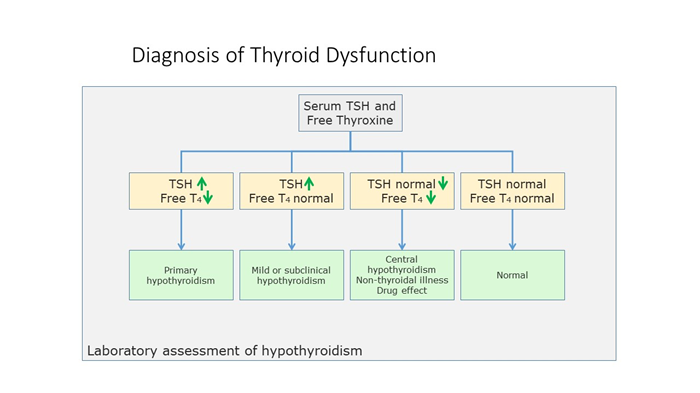
The primary measurement is Thyroid Stimulating Hormone (TSH). Elevated levels often indicate hypothyroidism, where the thyroid isn’t producing enough hormones. Conversely, low TSH levels may suggest hyperthyroidism, signaling an overactive thyroid.
If your test includes a reflex to Free T4 (FT4), this adds another layer. FT4 measures the unbound thyroxine in your bloodstream. High FT4 alongside low TSH typically points to hyperthyroidism. On the other hand, low FT4 with high TSH indicates hypothyroidism.
Always consult with a healthcare provider to interpret these results accurately. They will consider various factors like symptoms and health history before making any recommendations or diagnoses related to your thyroid health.
Benefits of TSH w/Reflex to FT4 Testing
TSH w/Reflex to FT4 testing offers valuable insights for those concerned about thyroid health. It provides a comprehensive assessment by measuring both Thyroid Stimulating Hormone (TSH) and Free T4 levels in one go.
One major benefit is early detection of thyroid disorders. By analyzing these hormone levels together, doctors can identify issues like hypothyroidism or hyperthyroidism more efficiently.
Another advantage is the reflex aspect of the test. If TSH results indicate an abnormality, it automatically triggers a follow-up measurement of FT4. This streamlined process helps reduce delays in diagnosis and treatment.
Additionally, patients experience peace of mind knowing they receive thorough evaluations with minimal extra effort on their part. With just one test, multiple concerns can be addressed effectively.
In essence, this testing method enhances patient care while ensuring prompt intervention when necessary.
Conclusion
Understanding thyroid function is crucial for maintaining overall health. The TSH w/Reflex to FT4 test serves as a valuable tool in this process. This testing not only measures thyroid-stimulating hormone (TSH) levels but also reflexively assesses free thyroxine (FT4) when necessary, providing a comprehensive picture of how well your thyroid is functioning.
For those experiencing symptoms like fatigue, weight changes, or mood swings, getting tested can be the first step toward understanding what’s happening with your body. Preparation for the test is straightforward and typically requires little more than standard guidelines that ensure accuracy.
Interpreting results can seem daunting at first; however, healthcare professionals are trained to explain these findings clearly. Knowing whether your levels fall within normal ranges helps guide treatment options if needed.
The benefits of undergoing TSH w/Reflex to FT4 testing extend beyond just numbers on a report. They encompass peace of mind and a proactive approach to managing potential thyroid issues before they escalate into more serious conditions.
By taking charge of your health through informed testing choices like TSH w/Reflex to FT4, you’re investing in your well-being and paving the way for better management of any underlying concerns related to thyroid function.