Tinnitus affects millions of people who deal with constant ringing or buzzing in their ears. For those struggling with this condition, finding relief feels urgent. Transcranial magnetic stimulation, or TMS, offers a newer approach that works differently from traditional hearing aids. Instead of masking the sound, TMS for tinnitus targets the brain itself – specifically the areas responsible for hearing.
The basic idea behind TMS for tinnitus is straightforward. The ringing people hear comes from abnormal brain activity, not from damage to the ears. A magnetic coil placed on the scalp can stimulate specific brain regions.
This stimulation might reduce or stop the phantom sound people experience. Does TMS help tinnitus? Research suggests it works for some people, though results vary.
Understanding How Tinnitus Starts in the Brain
The Source of the Sound
When someone hears tinnitus, their brain creates a sound that doesn’t exist. The auditory cortex fires in abnormal patterns. This generates the ringing sensation people perceive as real.
Hearing loss often precedes tinnitus, but sound perception happens in the brain. Brain scans show people with tinnitus have different activity in auditory regions. These patterns create phantom sound.
This explains why TMS for tinnitus makes sense. If the brain generates sound through abnormal activity, modifying that activity might reduce tinnitus. That’s where TMS therapy for tinnitus comes in.
Why Traditional Approaches Fall Short
Hearing aids amplify external sounds. Sound machines mask tinnitus with white noise. These approaches don’t address the root problem – the brain activity creating tinnitus. They work around the issue rather than solving it at the source.
TMS therapy for tinnitus takes a different approach. Instead of masking the sound or boosting hearing, it attempts to normalize the brain patterns generating tinnitus. This is why many people interested in TMS for tinnitus view it as potentially offering more fundamental relief.



How TMS Therapy Works
The Basic Technology
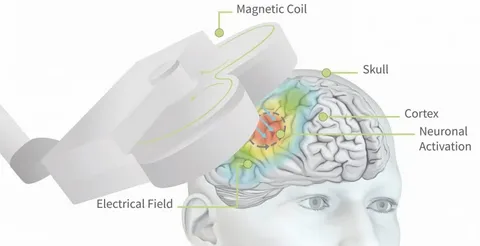
TMS uses a magnetic coil held against the scalp. The coil delivers magnetic pulses that create electrical activity in targeted brain regions. For those exploring TMS therapy Brooklyn clinics have made this treatment more accessible in recent years.
For TMS tinnitus treatment, doctors position the coil over auditory cortex areas – usually in the temporal regions of the brain.
The magnetic pulses stimulate neurons in these areas. Depending on how frequently the pulses occur, they can increase or decrease neural activity. TMS therapy for tinnitus typically uses patterns designed to reduce excessive neural firing in the regions creating tinnitus perception.
Sessions last about 20 to 30 minutes. People usually receive TMS for tinnitus multiple times per week for several weeks. The repetitive stimulation gradually changes how neurons function and communicate. This is why it takes time to see results from TMS tinnitus treatment.
Targeting the Right Regions
Getting the right brain regions matters significantly. Not all areas of the brain contribute equally to tinnitus. Research shows the dorsolateral prefrontal cortex and auditory cortex are key targets for TMS for tinnitus.
Brain imaging helps doctors identify the best sites to stimulate. TMS therapy for tinnitus guided by imaging produces better outcomes than approaches without this guidance. The more precisely doctors target the problematic regions, the better the results tend to be.
How effective is TMS for tinnitus partly depends on this targeting accuracy. Each person’s brain is slightly different, so customizing stimulation sites to individual brain anatomy improves TMS tinnitus treatment effectiveness.
Research Results and What They Mean
What Studies Show
Research on TMS for tinnitus reveals mixed but generally promising results. Studies show about 40 to 60 percent of people experience some tinnitus reduction. Roughly 20 to 30 percent report significant improvement or complete relief. The remaining participants show little to no change.
Does TMS help tinnitus better for certain people? Yes. Tinnitus that started recently responds better to TMS therapy for tinnitus than tinnitus lasting many years. Age, hearing status, and how long someone has had tinnitus all influence how well TMS for tinnitus works.
The type of tinnitus also matters. TMS tinnitus treatment works better when tinnitus follows hearing loss compared to tinnitus from other causes. This finding has helped researchers understand which people might benefit most from trying TMS for tinnitus.
Individual Variation
How effective is TMS for tinnitus varies from person to person. Some notice improvement quickly. Others take weeks to notice change. A few people experience delayed improvement appearing long after treatment ends.
The duration of benefit also varies. Some people maintain improvement indefinitely after completing TMS therapy for tinnitus. Others see tinnitus gradually return and may need repeat treatment. Right now, we can’t predict in advance who falls into which category.
TMS for tinnitus might reduce the loudness people perceive. It might make the sound less bothersome even if still audible. These varying degrees of improvement still matter to people suffering with tinnitus.
Important factors affecting TMS tinnitus treatment results:
- How long tinnitus has been present
- Whether hearing loss triggered tinnitus
- Age and overall brain health
- Precise targeting of brain regions
- Individual neurological differences
- Treatment consistency and completion
- Realistic expectations about improvement
Safety and Practical Considerations
Side Effects and Safety
TMS for tinnitus is generally safe with minimal side effects. Some people experience scalp discomfort or mild headache during TMS therapy for tinnitus. Dizziness occasionally occurs. These effects are usually temporary and mild.
Serious complications from TMS tinnitus treatment are rare when performed by trained professionals. Seizures can theoretically occur but are uncommon with proper administration of TMS for tinnitus. People with seizure disorders need careful evaluation before starting TMS therapy for tinnitus.
Certain conditions preclude TMS for tinnitus. Pacemakers or metal implants near the head prevent participation. Some neurological conditions make TMS therapy for tinnitus unsafe. Doctors screen patients carefully before recommending TMS tinnitus treatment.
Timeline for Results
TMS for tinnitus requires patience. Initial assessments determine the right stimulation parameters for each individual. Treatment typically lasts 4 to 6 weeks with sessions several times weekly.
Results from TMS therapy for tinnitus aren’t always immediate. Some people notice change during treatment. Others see gradual improvement over weeks. A few don’t notice benefit until weeks after completing TMS for tinnitus.
Setting realistic expectations helps. TMS tinnitus treatment isn’t a guaranteed cure. It’s an evidence-based approach that helps some people find relief from a frustrating condition.
How TMS for tinnitus differs from other options:
- Targets brain activity directly rather than masking sound
- Non-invasive with minimal side effects
- Takes weeks to show results
- Works for about 40-60 percent of people
- Can be combined with other treatments
- Requires multiple sessions over time
- Safety profile better than some alternatives
Is TMS for Tinnitus Right for You
Many people with tinnitus have exhausted conventional options. Hearing aids didn’t help. Sound machines didn’t work. TMS therapy for tinnitus deserves consideration as a potential next step.
Anyone interested in TMS for tinnitus should discuss it with an audiologist or ear doctor experienced with this treatment. Doctors can evaluate whether someone is a good candidate based on individual circumstances.
Does TMS help tinnitus? For some, yes. The research showing 40-60 percent benefit rates offers reasonable hope. TMS for tinnitus might reduce sound loudness, decrease how bothersome tinnitus feels, or even eliminate it entirely. Individual results vary, but the potential relief makes TMS therapy for tinnitus worth exploring for people severely affected by tinnitus.