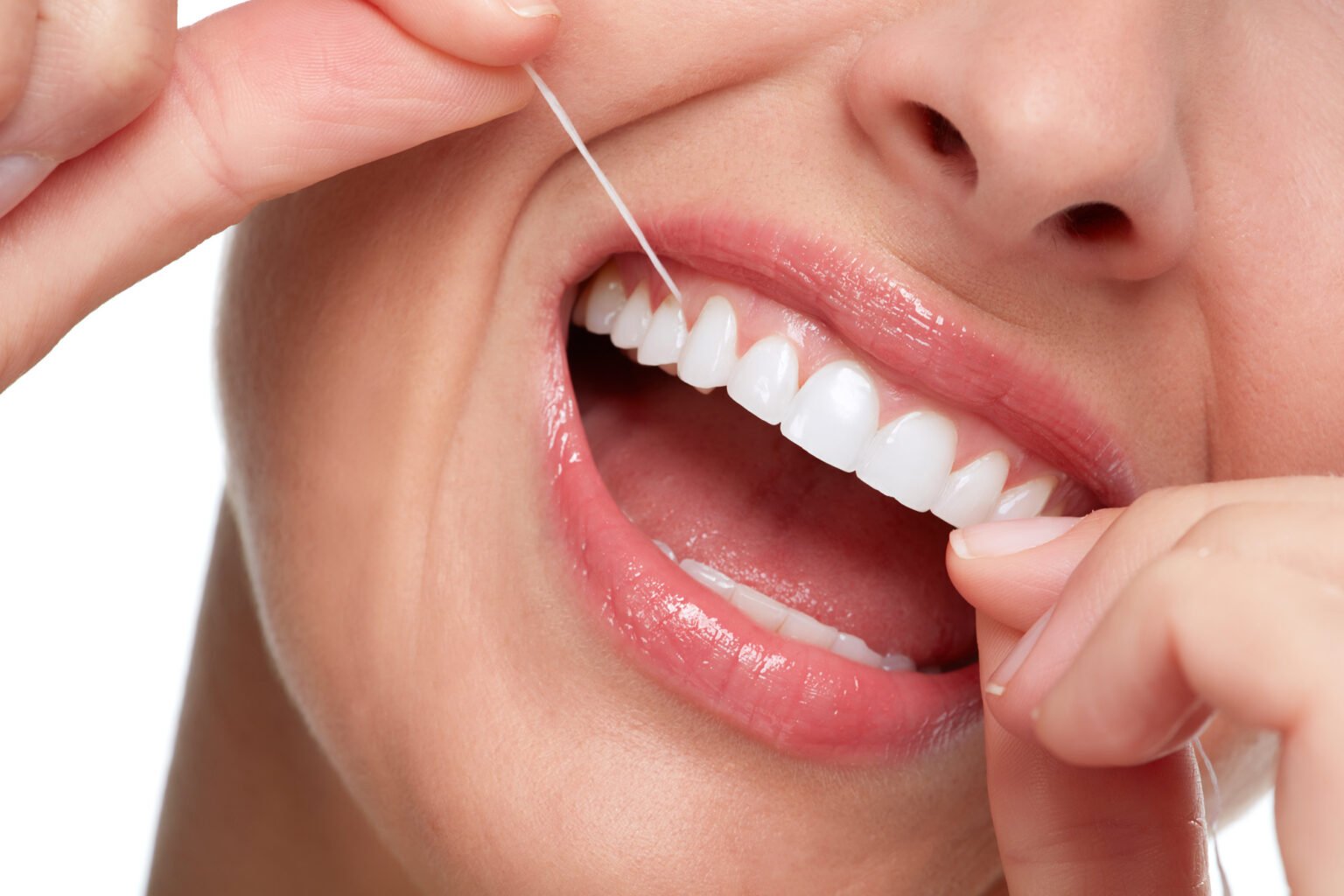
Tips for Flossing Your Teeth Properly
Brushing twice a day is essential to looking after your teeth, but your toothbrush has limits. Even with the recommended two-minute sessions, your brush alone can’t reach every part of your mouth that needs cleaning.
Small spaces between the teeth and around the gum line can collect plaque and bits of food, eventually leading to gum disease, which is why cleaning between your teeth should form part of your everyday oral hygiene routine. The NHS advises cleaning between your teeth daily, either with floss or another suitable interdental cleaner.
The technique matters, though. Flossing too aggressively can irritate your gums, while simply moving the floss quickly between the teeth may leave plaque behind.
Use enough floss
- Start with around 30 to 45 centimetres of dental floss or tape.
- Wind most of it around your fingers, leaving a short section held firmly between your hands. You want enough control to guide the floss carefully and accurately without it becoming loose.
- As you work around your mouth, move to a clean section of floss for each new space.
Guide it gently between your teeth
One of the most common flossing mistakes is aggressively snapping the floss directly down onto the gums, which can damage the gums and be counterintuitive to proper cleaning.
- Instead, gently work it between the teeth using a slow, controlled movement. When it reaches the gum line, curve the floss around the side of one tooth into a C-shape.
- Move it carefully up and down against the surface of the tooth, reaching slightly beneath the gum line without forcing it.
- Then repeat the movement against the neighbouring tooth before moving on.
This allows the floss to clean the surfaces a toothbrush cannot easily reach, removing food debris and plaque that might otherwise simply sit in place.
Follow the same pattern every time
It is surprisingly easy to miss teeth when you floss, particularly the ones towards the back of your mouth. That’s why it’s important to devise an effective routine and stick to it. You might start with the upper teeth on one side, work all the way across and then repeat the process along the lower teeth.
Remember to clean behind the final tooth on each side too. Following the same pattern each day makes it less likely that certain areas will regularly be forgotten.
Floss before brushing
If possible, floss before brushing your teeth. NHS guidance recommends this order because flossing first helps dislodge plaque and debris from between the teeth before brushing. You can then brush thoroughly with fluoride toothpaste, which is meant to sit on the teeth for around 15-20 minutes without bother.



Consistency is more important than trying to floss aggressively. Cleaning carefully once a day is far more useful than occasionally flossing with enough force to make your gums sore.
Know when another option may work better
Traditional floss is not always the best choice for every mouth.
If you have larger gaps between your teeth or permanent metal fittings, interdental brushes may be easier and more effective to use. They come in different sizes and should fit snugly without being forced through the gap.
People with crowns, bridges or implants may also need a slightly different cleaning technique.
For some people, the flosser sticks offer an easier solution.
If you are unsure, a dentist or hygienist can recommend the most suitable option and show you how to use it properly.
Flossing is a small daily habit, but doing it properly helps clean areas that brushing alone cannot reach. With the right technique and a consistent routine, it can become a quick and valuable part of looking after your teeth and gums.