A small water leak might seem like a minor annoyance. You place a bucket under the drip or wipe up the puddle and forget about it. But moisture often leaves behind an unwanted guest that works silently in the shadows. Mold is more than just an unsightly stain on the wall or a musty smell in the basement. It is a persistent force that can compromise the structural integrity of your building and affect the quality of life for everyone inside.
Understanding the full scope of what mold can do is the first step in protecting your investment. This fungus is not merely a cosmetic issue. It is an aggressive organism that feeds on the very materials your home is built from, notes Freshstart Property Management.
Eating Away at the Structure
Mold requires moisture and organic material to survive. Unfortunately, modern homes are full of organic materials. Wood, drywall, paper backing, and insulation provide the perfect buffet for spores looking to colonize. Once mold takes hold, it begins to digest these materials.
Wood Rot and Structural Weakness
When mold grows on wooden studs, floor joists, or roof sheathing, it breaks down the cellulose that gives wood its strength. Over time, this process causes the wood to rot and weaken. If left unchecked, this can lead to sagging floors, bowing walls, or even a collapse in severe cases. The damage often happens behind walls or under floors, where you cannot see it until the problem has become advanced.
Destroying Drywall and Finishes
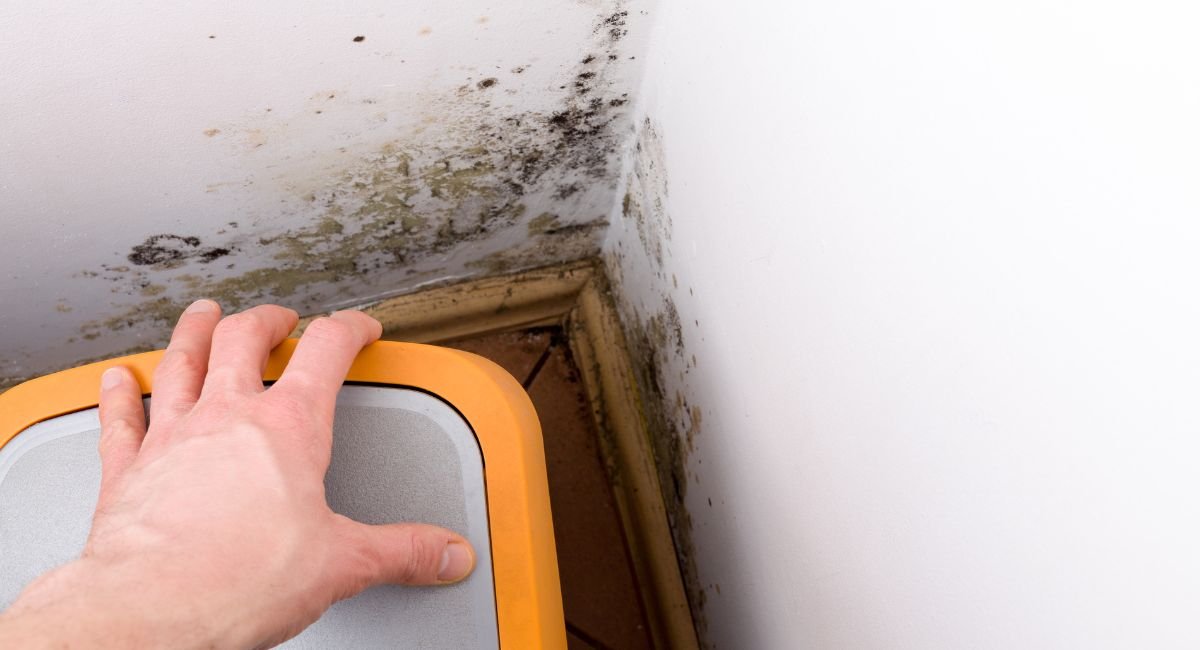
Drywall is particularly vulnerable. It acts like a sponge, absorbing moisture and allowing mold to spread rapidly across its surface and into its core. Once mold penetrates drywall, the material usually cannot be saved and must be cut out and replaced. This damage extends to wallpaper, paint, and carpeting. Mold can ruin carpet fibers and the padding underneath, requiring complete removal to eliminate the contamination.
Compromising Indoor Systems
The impact of mold is not limited to stationary building materials. It can infiltrate the systems that keep your home comfortable and functional.
HVAC System Contamination
Your heating, ventilation, and air conditioning system is designed to circulate air throughout the house. If mold grows inside your ductwork or on the HVAC coils, the system becomes a superhighway for spores. Every time the fan turns on, it blows microscopic mold particles into every room. This not only spreads the infestation to new areas but also drastically reduces indoor air quality. Cleaning mold out of ductwork is a complex and often costly process.
Damage to Insulation
Insulation in attics and walls is meant to trap heat, but it can also trap moisture. When mold infests fiberglass or cellulose insulation, the material loses its ability to regulate temperature effectively. You might notice your energy bills creeping up as your home struggles to stay warm in winter or cool in summer. Additionally, contaminated insulation must be removed and replaced, adding to the repair bill.



The Financial Impact of Neglect
Ignoring the early signs of mold can be a financial disaster. The cost of remediation rises exponentially the longer the fungus is allowed to grow. What might have been a simple cleaning job can turn into a major renovation involving structural repairs.
Beyond the immediate repair costs, mold carries a stigma that can devalue your property. If you plan to sell your home, a history of mold problems can scare away potential buyers. Home inspectors are trained to look for signs of moisture and microbial growth. Discovering an active infestation during an inspection can kill a sale or force you to lower your asking price significantly.
Taking Action Against the Intruder
The key to limiting damage is speed. Mold can start growing within 24 to 48 hours of water exposure. This means any leak, flood, or spill needs immediate attention. Controlling moisture is the only way to control mold.
Regular inspections of your property are essential. Check under sinks, around toilets, and in basements for signs of dampness. Ensure your gutters are clean and directing water away from the foundation. Keep indoor humidity levels below 60 percent to make the environment less hospitable for spores.
If you discover a significant growth, DIY cleaning methods like bleach are often ineffective on porous surfaces. Professional intervention is usually required to ensure the mold is safely removed without spreading spores to other parts of the house. Residents in humid or snowy climates often face specific challenges with moisture control, leading many to seek expert mold remediation in Salt Lake City or their local area to handle extensive outbreaks.
Your home is likely your most valuable asset. Treating mold as a serious threat rather than a minor inconvenience protects that asset. By staying vigilant and addressing moisture issues the moment they arise, you ensure your property remains safe, strong, and valuable for years to come.