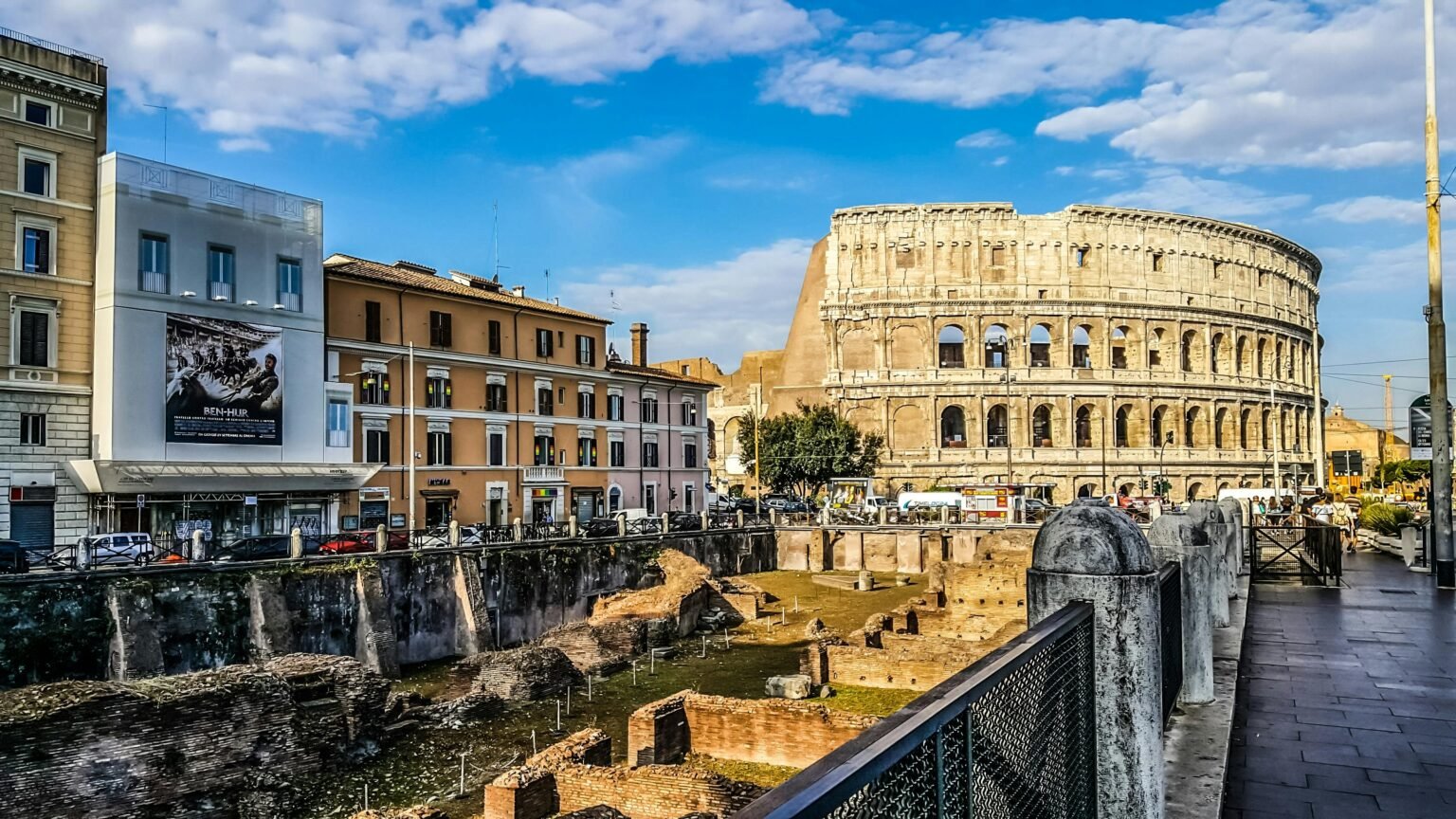
Planning a trip to Italy can feel overwhelming, but with a clear timeline, you can transform your journey into an unforgettable experience. From choosing the best time to visit Italy to mapping your route and booking tickets, thoughtful Italy travel planning ensures you savor every moment without unnecessary stress.
When Is the Best Time to Visit Italy?
Most travelers start by deciding the best time to visit Italy. July and August bring scorching heat, massive crowds, and high prices, so skipping these months is ideal if your schedule allows. Instead, focus on spring (April–May) or fall (September–October).
- Spring: Mild temperatures, blooming landscapes, fewer tourists. Perfect for exploring cities and countryside alike.
- Fall: Harvest season, wine festivals, and comfortable weather. Visiting in this period often means shorter lines at popular attractions.
Choosing the right season sets the tone for your entire trip and is the foundation of effective Italy travel planning.
Mapping Your Italy Travel Itinerary
A clear Italy travel itinerary begins with a map. Plot your dream destinations to avoid backtracking and wasted travel time. For first-time visitors, the classic Rome–Florence–Venice route covers iconic landmarks efficiently:
| City | Recommended Nights | Key Highlights |
|---|---|---|
| Rome | 2–3 | Colosseum, Vatican, Trastevere |
| Florence | 2–3 | Uffizi Gallery, Duomo, Ponte Vecchio |
| Venice | 1–2 | Grand Canal, St. Mark’s Square |
To make the most of your route:
- Check transportation times. Italian train trips can range from 30 minutes to several hours. Knowing this helps prevent overpacked days.
- Balance your pace. Spending longer in fewer cities often leads to a more rewarding experience than trying to see everything at once.
Italy’s 20 regions offer unique flavors—from Alpine vistas in the north to sun-drenched Sicily in the south—allowing you to tailor your itinerary according to your interests.
Choosing Transportation: Trains vs. Cars
Transportation is central to planning a trip to Italy.
- Trains: Ideal for city-hopping (Rome–Florence–Venice). Fast, convenient, and stress-free, trains eliminate parking headaches and make long-distance travel enjoyable.
- Cars: Perfect for countryside exploration, such as Tuscany’s rolling hills, Umbria’s hidden villages, or the Dolomites’ alpine roads. A rental car lets you discover spots untouched by mass tourism.
Pro tip: Count nights rather than days. For a 7–10 day trip, 3 nights in Rome, 2–3 in Florence, and 2 in Venice offer a balanced experience. Open-jaw flights (flying into one city and out of another) save time and allow you to maximize sightseeing.



Booking Timeline for Italy Travel Planning
Successful Italy travel plan requires strategic timing for reservations. Here’s a tested timeline:
- Accommodations: 4–6 months before departure. August requires even earlier booking due to local holidays. Villas may need 9+ months.
- Flights: 5–6 months ahead is ideal for the best deals.
- Car rentals: ~2 months prior to travel.
- Train tickets: 2–3 months in advance via online platforms.
- Attractions: Vatican Museums (60 days), Colosseum (30 days).
- Restaurants: Local favorites (7–10 days), Michelin-starred (1–2 months), exclusive venues (3–4 months).
- Travel insurance: Purchase immediately after booking for maximum coverage.
Following this schedule prevents last-minute stress and ensures access to popular sites and dining experiences.
Tips for a Stress-Free Italy Travel Itinerary
- Avoid packing too many destinations into one trip; slower travel creates richer experiences.
- Leave room for spontaneity: stumble upon a neighborhood festival, a hidden café, or a scenic viewpoint.
- Mix iconic sights with local experiences for authentic memories.
For instance, while the Colosseum is a must-see in Rome, wandering Trastevere in the evening reveals a side of the city most tourists miss. Similarly, while Florence’s Duomo is spectacular, spending an afternoon in a small artisan workshop can be equally memorable.
Make Your Italy Trip Memorable
Careful Italy travel planning transforms a potentially stressful trip into an adventure full of meaningful moments. Spring or fall are generally the best seasons to visit Italy, offering pleasant weather and smaller crowds. Prioritizing fewer destinations, planning transportation, and adhering to a strategic booking timeline allows you to enjoy the country at a relaxed pace.
Remember: schedules matter, but the magic of Italy often comes from unplanned discoveries, a street musician in Venice, a vineyard tour in Tuscany, or a gelato shop in Palermo. As you plan a trip to Italy, let your itinerary provide the structure, while your curiosity and openness fill it with unforgettable memories.
Sources:
https://www.nextleveloftravel.com/italy/
https://en.wikipedia.org/wiki/Trastevere
https://www.britannica.com/place/Italy/Traditional-regions