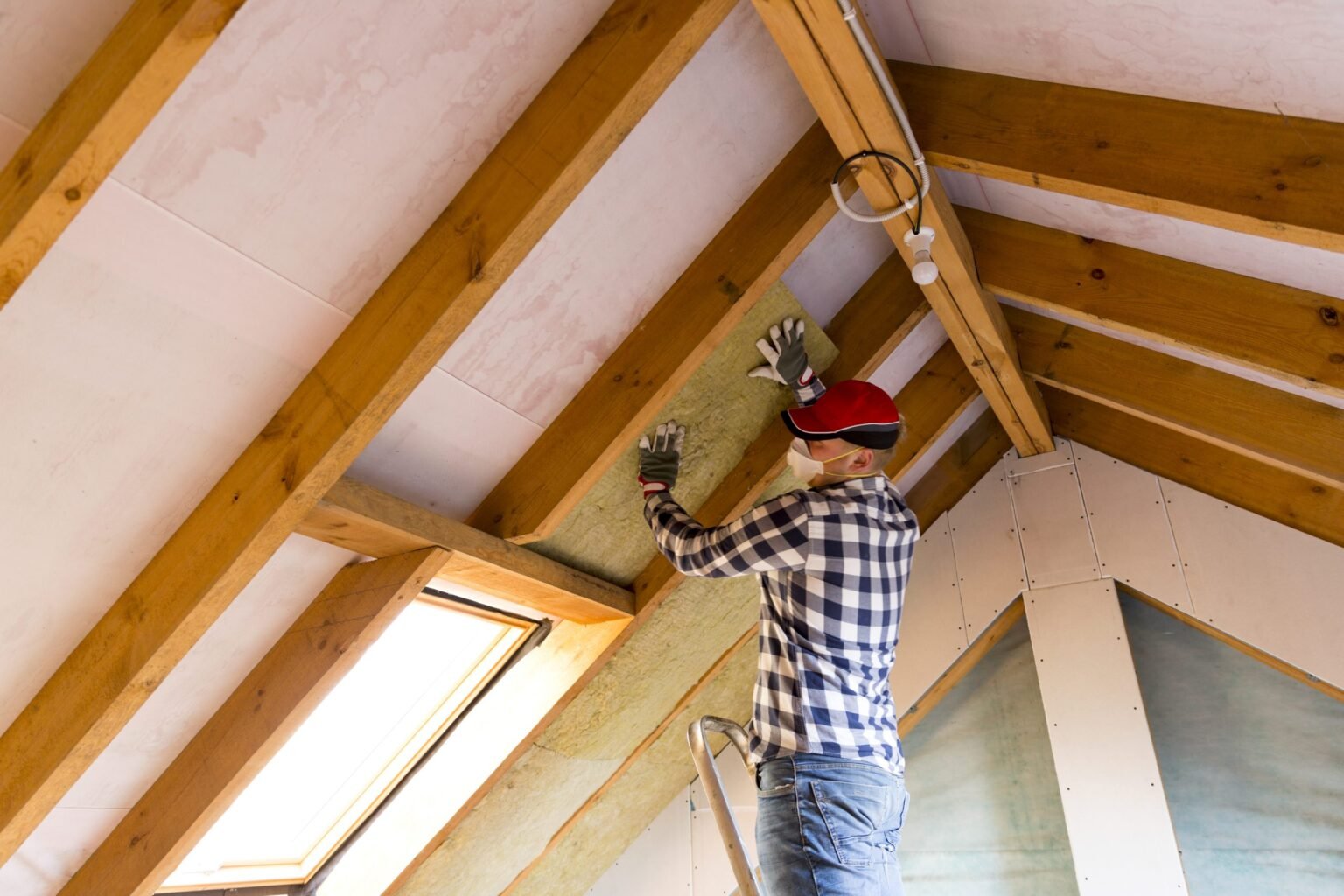
Attic heat plays a crucial role in the overall health of a roofing system. When temperatures rise inside the attic, roofing materials experience additional stress that can shorten their lifespan, notes Winter Garden Management Company. Understanding this relationship helps homeowners maintain stronger, longer-lasting roofs.
How Attic Heat Builds Up
During warm seasons, sunlight heats the roof surface, and that heat radiates into the attic. Without proper ventilation, the trapped air can raise interior temperatures well beyond the outdoor level. This cycle can occur daily, creating constant thermal pressure on roofing materials.
Insufficient insulation also contributes to heat buildup. Warm air from living spaces can leak into the attic, adding to the trapped heat. Over time, the combination of poor ventilation and inadequate insulation accelerates roof deterioration.
Impact on Roofing Materials
Excessive attic heat causes shingles, underlayment, and sealants to age prematurely. Asphalt shingles may become brittle and crack, while wooden components can warp or dry out. Sealants lose flexibility, leading to gaps that allow moisture to enter the roofing layers.
Metal components, such as flashing, can expand and contract excessively under heat stress. This repeated movement weakens joints and fasteners, creating small openings that increase the risk of leaks and structural damage.
Ventilation and Insulation Solutions
Proper ventilation allows hot air to exit the attic while drawing in cooler air from outside. Ridge vents, soffit vents, or gable vents help balance airflow, preventing heat buildup. A well-designed ventilation system maintains a stable temperature within the attic space.
Effective insulation complements ventilation. It prevents indoor heat from entering the attic and keeps roofing materials from overheating. Balanced insulation and ventilation reduce the strain on the roof, improving energy efficiency and extending the structure’s life.
Signs of Heat-Related Roof Damage
Several indicators suggest that attic heat may be affecting the roof’s condition. Identifying these early can prevent further deterioration.


- Curled or blistered shingles
- Cracked or brittle roofing materials
- Peeling paint near the roofline
- High attic temperatures even on mild days
- Uneven indoor cooling or rising energy costs
These symptoms often point to ventilation or insulation issues that require attention before larger problems develop.
Professional Evaluation and Maintenance
Regular inspections are essential for detecting heat-related damage early. A roofing specialist can assess ventilation performance, insulation quality, and material condition to determine the best course of action. Addressing minor issues promptly helps avoid costly replacements later.
Homeowners seeking guidance on maintaining roof efficiency can explore options for roof repair in Baton Rouge. Professionals in this field understand the unique climate challenges that contribute to attic heat buildup and can recommend tailored maintenance plans.
Long-Term Benefits of Managing Attic Heat
Reducing attic heat offers multiple advantages beyond preventing premature roof damage. Cooler attics improve indoor comfort, reduce energy consumption, and minimize wear on heating and cooling systems. A stable attic environment supports stronger roofing performance year-round.
For those experiencing persistent issues with heat or material deterioration, consulting services that specialize in roofing repairs in Baton Rouge can provide valuable insight. Through regular care and proper attic management, homeowners can protect their investment and extend the life of their roof.