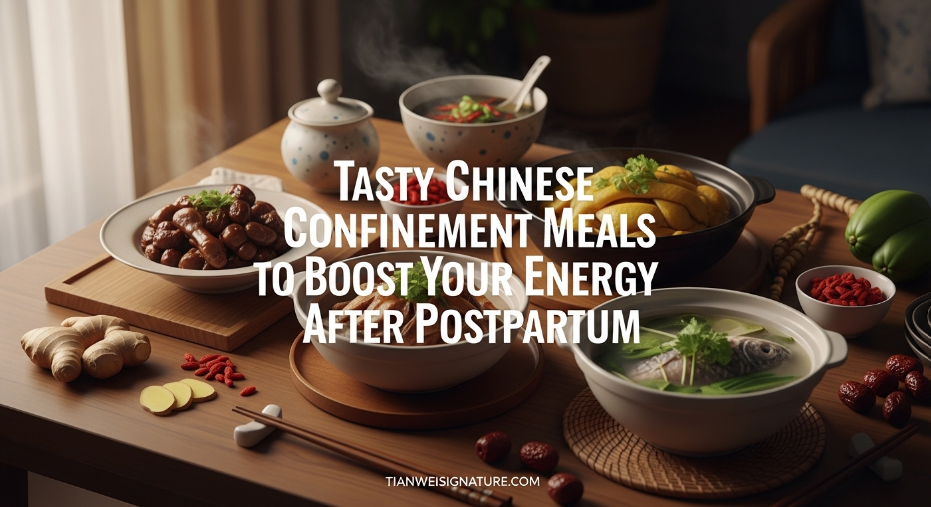
Those first few weeks after delivery can feel like you have run a marathon, then been handed a newborn. If you are exploring Chinese confinement meals in Singapore, you are probably looking for two things at once: comforting, warming food that helps you feel human again, and convenience when you are sleep-deprived (especially if you are a first-time parent or there is simply no one to cook).
- Chinese confinement meals to boost your energy after postpartum
- Why does energy feel so low after giving birth
- The 3-stage approach many mums follow (and why it helps)
- Tasty confinement dishes that feel like real food (not “medicine”)
- Modern, appetising variety: when fusion meets confinement
- What a practical Chinese confinement food menu looks like (daily rhythm)
- Convenience for real life: Chinese confinement food delivery in Singapore
- Quick myth-busting (so you can feel confident, not pressured)
- Make it easy on yourself (and your household)
Postpartum fatigue is also extremely common. Studies on Chinese primiparous women report fatigue affecting roughly 46 to 89% in the first days to six weeks, with moderate to severe fatigue reported by many mothers in the early weeks. Food alone cannot fix everything, but a consistent routine of nourishing meals can make day-to-day recovery feel more manageable.
Chinese confinement meals to boost your energy after postpartum
In traditional confinement (zuo yue zi), the focus is on supporting a body that is often described as “cold and deficient” after childbirth. Meals tend to be warming, easy to digest, and built around soups, proteins, and cooked dishes that help you feel steadier and more energised.
A practical way to think about it is: you are rebuilding. You need warmth, fluids, and nutrient-dense foods that are gentle on the tummy, especially if your appetite is unpredictable.
Why does energy feel so low after giving birth
Energy dips for a mix of reasons, including blood loss, disrupted sleep, physical healing, and breastfeeding demands. Confinement food traditions respond by emphasising:
- Warm, cooked foods over cold or raw foods (traditionally believed to be gentler during recovery)
- Regular soups and broths to keep hydration up (warm water counts too)
- Protein in every main meal to support tissue repair
- Ingredients like ginger and sesame oil, commonly used for that warming, comforting effect
If you are breastfeeding, a steady eating pattern also helps. Tian Wei Signature uses garlic, ginger, fenugreek, and green papaya in selected dishes to support breast milk supply, alongside balanced meals and soups.
The 3-stage approach many mums follow (and why it helps)
Many families structure Chinese confinement dishes in phases, which keeps food interesting and matches how recovery tends to progress.
| Confinement stage | Typical food focus | What it supports (general) |
| Week 1 | Light, warming, easy-to-digest meals; soothing soups | Settling digestion, gentle recovery routines |
| Week 2 | More variety, richer proteins; fusion dishes may be introduced | Building strength and appetite |
| Weeks 3 to 4 | Heartier dishes, tonics, more “rebuilding” style meals | Sustained energy for caregiving and feeding |
If you want to explore what a more traditional programme can look like, you can browse the details here: learn more about our traditional options.



Tasty confinement dishes that feel like real food (not “medicine”)
The best confinement meals are the ones you actually look forward to eating. Here are crowd favourites that fit the warming, restorative style while still being genuinely delicious.
1) Braised Pork Trotter in Black Vinegar
This is a classic many mums crave. It is traditionally believed to support recovery and “replenish” after delivery. Pork trotters also provide collagen and protein, which many mums appreciate when joints feel achy from carrying baby and long hours of feeding.
2) Sesame Oil Chicken
A confinement icon for a reason. The aroma alone can make you feel hungrier when sleep has dulled your appetite. Sesame oil and ginger are commonly used in warming postpartum cooking traditions.
3) Ginseng Black Chicken Soup (Herbal Soup)
A comforting bowl that many families associate with vitality. Herbal soups are traditionally believed to support qi and overall strength. At Tian Wei Signature, only herbal soups are reviewed by Ma Kuang TCM, so you can enjoy them with added reassurance about the soup formulation.
4) Fenugreek and Green Papaya Fish Soup
This is popular with breastfeeding mums. Fenugreek and green papaya are included to support breast milk supply, while fish provides protein that feels lighter than red meat on some days.
5) Sheng Hua style soups (where appropriate)
These are traditionally believed to support the body’s postpartum “clearing” process. As with all herbs, it is wise to follow professional advice, especially if you have a medical condition or are on medication.
Modern, appetising variety: when fusion meets confinement
Confinement does not have to mean repeating the same flavours for 30 days. Variety helps you eat better, especially when your appetite changes daily.
Tian Wei Signature’s menu concept blends traditional Chinese comfort with modern favourites, with fusion dishes starting from Week 2. That means you can ease in gently, then enjoy meals that feel more “normal” while still staying aligned with confinement-style warmth and nourishment.
Examples that make many mums genuinely excited for mealtimes:
- Coq Au Vin for deep, savoury comfort
- Seared Salmon with Cauliflower Cream for a lighter, satisfying plate that still feels indulgent
- Balanced stir-fries and braises that keep textures and flavours interesting
This kind of variety also helps partners and visiting family enjoy a bite with you, which can make long home days feel less isolating.
What a practical Chinese confinement food menu looks like (daily rhythm)
If you are planning your own routine, a simple structure can reduce decision fatigue.
A typical day might include:
- Breakfast: warm congee or a nourishing grain bowl
- Lunch: rice with a protein dish, vegetables, and soup
- Tea time: a light snack or warm drink
- Dinner: another protein dish with vegetables and soup
Soups matter because they are an easy way to take in fluids when you are busy with a baby. Many ingredients used in confinement cooking also contain helpful nutrients. For instance, papaya contains Vitamin C, and leafy greens commonly served with meals contain folate.
Convenience for real life: Chinese confinement food delivery in Singapore
Even if you love cooking, the early days can be unpredictable. Cluster feeding, baby’s day-night confusion, and your own healing can turn “I’ll cook tomorrow” into a week of takeaway.
A reliable Chinese confinement food delivery routine removes a big daily stress. Tian Wei Signature delivers fresh meals twice daily (lunch and dinner), so you are not stuck reheating everything from a single drop-off. There is also service flexibility: book now, activate later, which is especially helpful if the baby arrives earlier or later than expected.
Quick myth-busting (so you can feel confident, not pressured)
Some confinement “rules” get repeated in ways that make new parents anxious. A more balanced approach is often more sustainable.
- Myth: You cannot drink plain water
Truth: Hydration matters. Warm water is commonly encouraged. - Myth: You must stay in bed the whole month
Truth: Gentle movement can support circulation and mood. Follow your doctor’s guidance, especially after a C-section. - Myth: Confinement is only for vaginal births
Truth: C-section recovery can benefit from structured rest and nourishing meals too.
If you ever feel persistently low, anxious, or unlike yourself for weeks, seek medical attention promptly. Postpartum mental health conditions are serious and deserve professional care.
Make it easy on yourself (and your household)
Food is one of the few recovery supports you can “set and forget”. When meals are handled, you can focus on resting, feeding, and learning your baby, instead of wondering what to cook while running on two hours of sleep.
If you are ready to lock in your dates, check availability and book here.
Book Now. Book 1 month before your EDD and enjoy an early bird discount.