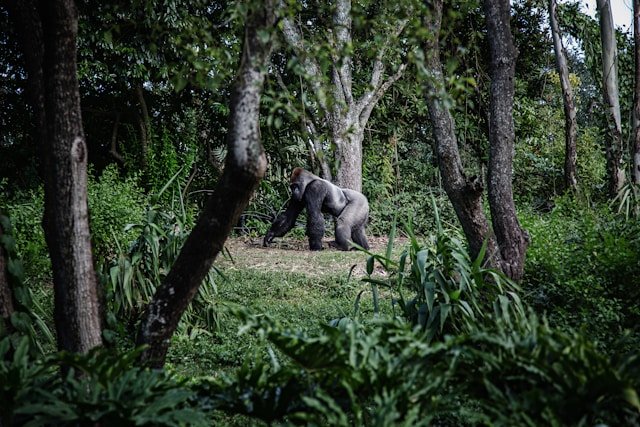
The survival of the mountain gorilla is one of the most significant success stories in modern conservation. Just a few decades ago, the prospect of extinction seemed nearly inevitable. Today, while the species remains endangered, their numbers are steadily increasing. This turnaround is largely attributed to a model of “conservation through tourism,” where the value of a living animal in its natural habitat far outweighs any other alternative.
The Intimacy of the Encounter
Unlike observing wildlife from the safety of a vehicle, gorilla trekking in Uganda offers a uniquely intimate experience. There is no physical barrier between the observer and the observed. This proximity is managed with strict protocols—limited time, minimum distances, and capped group sizes—to ensure the well-being of the primates. The goal is to be a silent witness to their daily lives: mothers nursing their young, juveniles playing in the bamboo thickets, and the commanding presence of a silverback overseeing his family.
Beyond the Trek: A Holistic View
While the encounter with the great apes is the highlight, the journey through the surrounding regions offers a broader lesson in geography and community. The foothills of these volcanic ranges are some of the most fertile lands in the world, home to vibrant farming communities. Understanding the intersection between human survival and wildlife protection is crucial for any conscious traveler.
What to Expect from the Terrain
The “Bwindi Impenetrable Forest” is aptly named. The terrain is characterized by:
- Steep Ridges: Constant elevation changes that test one’s endurance.
- Variable Weather: Sudden tropical downpours that turn the forest floor into a slippery challenge.
- Dense Undergrowth: A literal wall of green that requires expert navigation.
The Ethical Choice
For the modern traveler, the decision to visit these regions comes with a responsibility. It is about choosing experiences that funnel resources back into the local economy and anti-poaching initiatives. By participating in regulated treks, visitors are directly funding the salaries of rangers, the development of community schools, and the long-term monitoring of gorilla families. It is a rare example of a symbiotic relationship where tourism acts as a shield for one of the most vulnerable species on the planet.