Introduction
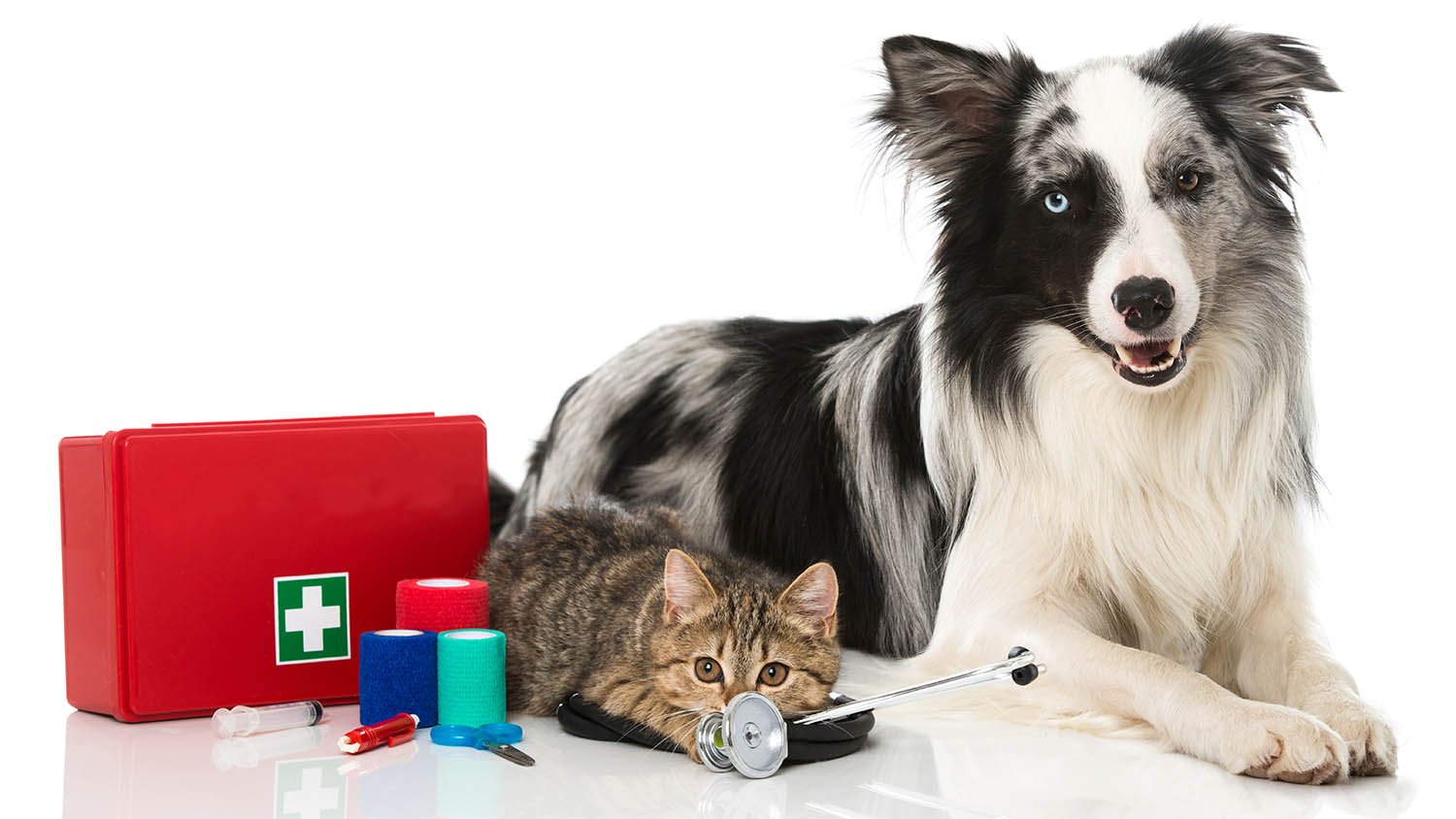
Pets are beloved family members, and emergencies can happen without warning. From choking and bleeding to sudden illness or accidents, knowing how to respond quickly can save your pet’s life. Emergency first aid and CPR training equips pet owners with the knowledge and confidence to act effectively until professional care is available. This guide outlines essential steps and skills every pet owner should know.
Why Emergency First Aid is Important
Being prepared ensures:
- Rapid response: Quick action reduces the risk of serious injury
- Reduced stress: Owners can stay calm and think clearly
- Better outcomes: Pets recover faster with timely care
- Safety for all pets: Dogs, cats, and small animals benefit
Every pet owner should have a basic understanding of first aid and CPR.
Recognizing Pet Emergencies
Knowing when to act is critical. Common emergencies include:
- Choking: Pets may swallow small objects that block the airway
- Bleeding: Cuts, punctures, or injuries causing significant blood loss
- Fractures and sprains: Injuries from falls or accidents
- Burns: Hot surfaces, chemicals, or sunburn
- Cardiac or respiratory emergencies: Pets may collapse or stop breathing
Early recognition allows owners to intervene effectively.
Steps to Take in an Emergency
- Assess the Situation
- Ensure the area is safe for you and your pet
- Look for signs of injury or distress
- Avoid moving the pet unnecessarily if there may be a fracture
- Ensure the area is safe for you and your pet
- Check Responsiveness and Breathing
- Gently call your pet’s name and observe for breathing
- If unresponsive, prepare to perform CPR if trained
- Gently call your pet’s name and observe for breathing
- Control Bleeding
- Apply direct pressure with a clean cloth or gauze
- Elevate the injured area if possible
- Secure with a bandage and seek veterinary care
- Apply direct pressure with a clean cloth or gauze
- Address Choking
- Look for obstructions in the mouth
- Perform gentle back blows for small pets or abdominal thrusts for larger dogs
- Administer CPR if your pet becomes unresponsive
- Look for obstructions in the mouth
- Administer CPR
- Position the pet on a firm surface, ideally on their right side
- Use correct hand placement and compression depth based on size
- Maintain a rhythm of 100–120 compressions per minute
- Provide rescue breaths after compressions, ensuring the chest rises
- Position the pet on a firm surface, ideally on their right side
Additional First Aid Skills
Beyond CPR and bleeding, pet owners should know:
- Wound care: Clean and dress minor cuts or scrapes
- Burn management: Cool burns with running water and cover lightly
- Fracture stabilization: Immobilize injured limbs until professional care
- Shock management: Keep pets calm, warm, and monitored
- Poison response: Recognize signs of ingestion and contact a veterinarian
Benefits of Certification
Completing a certified course in pet first aid and CPR provides:


- Confidence: Act quickly and correctly during emergencies
- Hands-on practice: Learn practical skills in real-life scenarios
- Preparedness for all pets: Training usually covers dogs, cats, and small animals
- Peace of mind: Reduce stress knowing you are ready to help
- Professional guidance: Instruction from experienced trainers
Certification ensures owners are prepared to handle emergencies effectively.
Why Online Training is Useful
- Self-paced learning: Study lessons at your convenience
- Interactive modules: Videos, quizzes, and simulations reinforce skills
- Immediate certification: Receive official proof of completion quickly
- Accessible anywhere: Learn from home, work, or on the go
Online courses provide flexibility without sacrificing practical knowledge.
Maintaining Skills After Certification
- Regular practice: Use simulation exercises to keep skills fresh
- Review course materials: Refresh emergency procedures periodically
- Stay updated: Follow new veterinary guidelines or best practices
- Teach family members: Sharing skills ensures everyone is prepared
Continued practice ensures readiness in critical situations.
Common Misconceptions About Pet CPR and First Aid
- Myth: Only veterinarians need CPR or first aid skills.
Fact: Trained owners can save lives before professional help arrives.
- Myth: Pet first aid is too complicated to learn.
Fact: Structured courses break down steps into simple, practical instructions.
- Myth: Small pets do not need CPR.
Fact: All pets, regardless of size, benefit from timely intervention.
Conclusion
cprcertificationnow.com/products/pet-cpr-first-aid-certification can make the difference between life and death for pets. Owners who know how to recognize emergencies, perform CPR, and provide basic first aid are better equipped to protect their animals. Certification provides knowledge, hands-on experience, and confidence to act quickly and correctly.