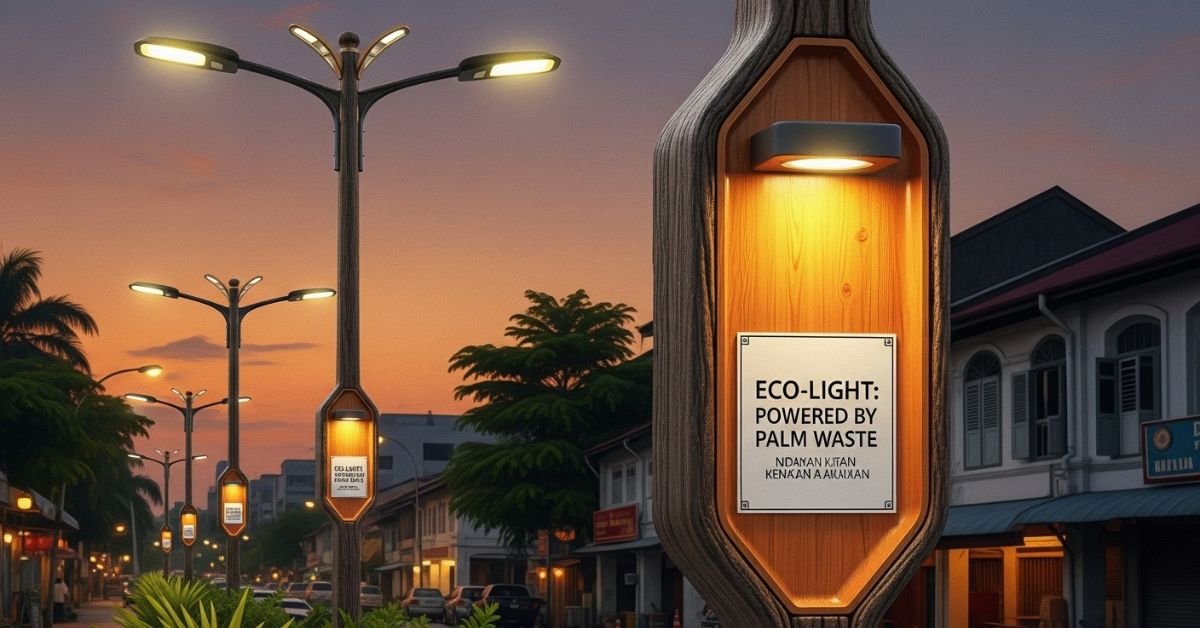
Introduction to the Oil Palm Waste Used Lamp Project
Imagine a world where waste transforms into light. This vision is at the heart of the Oil Palm Waste Used Lamp Project, an innovative initiative that harnesses by-products from oil palm plantations to create sustainable lighting solutions. The project not only tackles environmental challenges but also empowers local communities by turning discarded materials into valuable products. As society increasingly seeks eco-friendly alternatives, this unique approach shines a beacon of hope for both people and the planet. Join us as we explore the journey from plantation to illumination and uncover how this groundbreaking project is making waves in sustainability efforts worldwide.
- Introduction to the Oil Palm Waste Used Lamp Project
- The History of Oil Palm Plantations and their Effect on the Environment
- The Idea Behind the Use of Oil Palm Waste for Lamps
- Benefits of Using Oil Palm Waste Lamps
- Challenges and Successes of the Project
- Impact on Local Communities and the Environment
- Future Plans and Expansion of the Project
- Conclusion: The Power of Innovation in Sustainable Development
The History of Oil Palm Plantations and their Effect on the Environment
The rise of oil palm plantations began in the late 19th century. Initially introduced to Southeast Asia, these trees flourished in the tropical climate. Their high yield made them an attractive crop for farmers and corporations alike.
As demand for palm oil surged, vast areas of rainforest were cleared. This deforestation led to significant habitat loss for countless species. Endangered animals like orangutans faced dire threats as their homes vanished.
Soil erosion and water pollution became common issues due to unsustainable farming practices. The once vibrant ecosystems suffered greatly from monoculture farming techniques.
In many regions, local communities saw changes too. Traditional lifestyles were disrupted as land was converted into commercial plantations. The environmental consequences sparked global conversations about sustainability and responsible sourcing, highlighting the urgent need for change in agricultural practices around the world.
The Idea Behind the Use of Oil Palm Waste for Lamps
The oil palm industry generates significant waste, primarily from empty fruit bunches and palm kernel shells. Instead of discarding this material, innovators saw an opportunity to repurpose it creatively.
Transforming these byproducts into lamps taps into the growing demand for sustainable energy solutions. The concept merges environmental responsibility with practicality.
Using oil palm waste not only reduces landfill contributions but also provides a clean source of light. Each lamp serves as a reminder that waste can become something valuable.


This approach aligns with global sustainability goals, promoting renewable resources while enhancing energy access in underserved communities. It’s an elegant solution that highlights how innovation can turn challenges into opportunities for progress and change.
Benefits of Using Oil Palm Waste Lamps
Utilizing oil palm waste lamps offers numerous benefits that extend beyond mere functionality. These innovative lighting solutions are created from materials that would typically end up as waste, transforming an environmental burden into a valuable resource.
One significant advantage is their eco-friendliness. By repurposing agricultural by-products, the project reduces landfill waste and minimizes pollution associated with burning or disposing of oil palm residues.
Additionally, oil palm waste lamps provide cost-effective energy options for local communities. They often utilize renewable energy sources like solar power, enabling families to save on electricity bills while benefiting from reliable lighting.
Moreover, these lamps promote sustainable practices within the community. As people learn about creating and using them, it fosters a culture of innovation and responsibility towards natural resources. The initiative also creates job opportunities in production and maintenance, empowering individuals economically while nurturing a greener environment.
Challenges and Successes of the Project
The Oil Palm Waste Used Lamp Project has faced numerous challenges. One of the biggest hurdles is sourcing quality raw materials consistently. While oil palm waste is abundant, not all material meets the standards required for effective lamp production.
Logistics also posed a significant challenge. Transporting materials from remote plantation areas to processing sites can be costly and time-consuming. This required innovative solutions to streamline operations and reduce overhead expenses.
Despite these difficulties, the project has achieved remarkable successes. Community engagement played a pivotal role in promoting awareness about sustainable practices. Local workshops have educated farmers on how they can contribute to this initiative while generating additional income.
Additionally, the positive environmental impact cannot be overlooked. The project significantly reduces waste that would typically end up in landfills while providing an eco-friendly lighting solution for many households in surrounding communities.
Impact on Local Communities and the Environment
The Oil Palm Waste Used Lamp Project has transformed not only the environment but also local communities. By repurposing waste materials, it reduces pollution and minimizes deforestation associated with traditional energy sources.
Community members now actively participate in producing these lamps, creating job opportunities and fostering a sense of ownership. This grassroots involvement empowers individuals, enhancing their livelihoods while promoting sustainable practices.
Moreover, using oil palm waste for lighting helps to decrease reliance on fossil fuels. This shift contributes to cleaner air quality and less environmental degradation.
Families benefit from affordable lighting solutions that are both eco-friendly and efficient. The initiative encourages awareness about sustainability, inspiring other projects aimed at conservation within the region.
As locals embrace this innovative approach, it cultivates a culture of responsibility towards nature and resources. The project illustrates how creativity can drive positive change at both community and environmental levels.
Future Plans and Expansion of the Project
The Oil Palm Waste Used Lamp Project has ambitious goals for the future. Plans are underway to scale production, making lamps more accessible to communities in need.
Expanding partnerships with local organizations will help increase outreach and education about sustainable energy solutions. Workshops could empower residents, teaching them how to create their own lamps from oil palm waste.
Additionally, research is being conducted on improving lamp efficiency and durability. This innovation would enhance user experience while maximizing resource utilization.
Another exciting direction involves exploring new markets beyond local boundaries. Exporting these eco-friendly lamps could inspire global interest in sustainable practices derived from agricultural waste.
Through collaboration and creativity, the project aims not only to illuminate homes but also to pave the way for broader environmental initiatives that harness renewable resources.
Conclusion: The Power of Innovation in Sustainable Development
The Oil Palm Waste Used Lamp Project showcases the transformative potential of innovation in sustainable development. By harnessing materials that would otherwise contribute to environmental degradation, this initiative not only provides a clean energy source but also supports local communities.
As awareness grows about the benefits of utilizing oil palm waste, other regions are exploring similar paths. This project exemplifies how creative thinking can turn waste into valuable resources. It highlights the importance of sustainability and shows that with thoughtful solutions, we can create a brighter future for both people and the planet.
Through dedicated efforts, collaboration, and community engagement, projects like these pave the way towards more responsible consumption patterns. The journey from plantation to illumination is just one example of how innovative practices can lead us toward a greener world where economic growth aligns with ecological responsibility.
Embracing such initiatives could inspire others to explore unique ways to repurpose waste across various sectors. As we look ahead, it’s clear that creativity combined with commitment will continue driving sustainable development forward.