Introduction to Meibomian Eye Gland Dysfunction
Meibomian Eye Gland Dysfunction (MGD) might not be a household term, but it affects millions of people worldwide. This often-overlooked condition can lead to discomfort and even vision problems if left untreated. Imagine feeling like you have something in your eye all the time or battling persistent dryness that just won’t go away. These are common experiences for those suffering from MGD.
- Introduction to Meibomian Eye Gland Dysfunction
- What Causes Meibomian Eye Gland Dysfunction?
- Signs and Symptoms
- Diagnosis and Treatment Options
- Home Remedies for Meibomian Eye Gland Dysfunction
- Prevention Tips Meibomian Eye Gland Dysfunction
- Living with MGD: Personal Stories and Strategies
- Conclusion: The Importance of Proper Eye Care
Our eyes rely on tiny glands called meibomian glands to produce oils necessary for a healthy tear film. When these glands don’t function properly, it can disrupt our visual comfort. Knowing more about this condition is essential for maintaining good eye health. Whether you’re experiencing symptoms yourself or just want to learn how to keep your eyes happy and comfortable, understanding Meibomian Eye Gland Dysfunction will empower you with the knowledge needed for better care of one of your most precious senses—your sight!
What Causes Meibomian Eye Gland Dysfunction?
Meibomian Eye Gland Dysfunction (MGD) arises from various factors that hinder the normal functioning of the meibomian glands. These specialized glands are crucial for producing oils that keep our eyes lubricated.
One common cause is inflammation. Conditions like blepharitis can lead to swelling and blockages in these glands, disrupting oil production. Hormonal changes also play a significant role; fluctuations during menopause or due to certain medications can affect gland function.
Environmental factors cannot be overlooked either. Prolonged screen time, dry air, and exposure to smoke can exacerbate symptoms by increasing tear evaporation.
Additionally, systemic health issues such as diabetes or autoimmune disorders may contribute to MGD’s development by impacting overall eye health. Understanding these causes is vital for effective management and treatment strategies tailored to individual needs.
Signs and Symptoms
Meibomian eye gland dysfunction (MGD) can manifest in various ways. Many people experience dry eyes, often feeling gritty or scratchy. This discomfort might intensify throughout the day.
Another common symptom is blurred vision. The lack of proper tear film can make it difficult to see clearly, especially during screen time or reading.

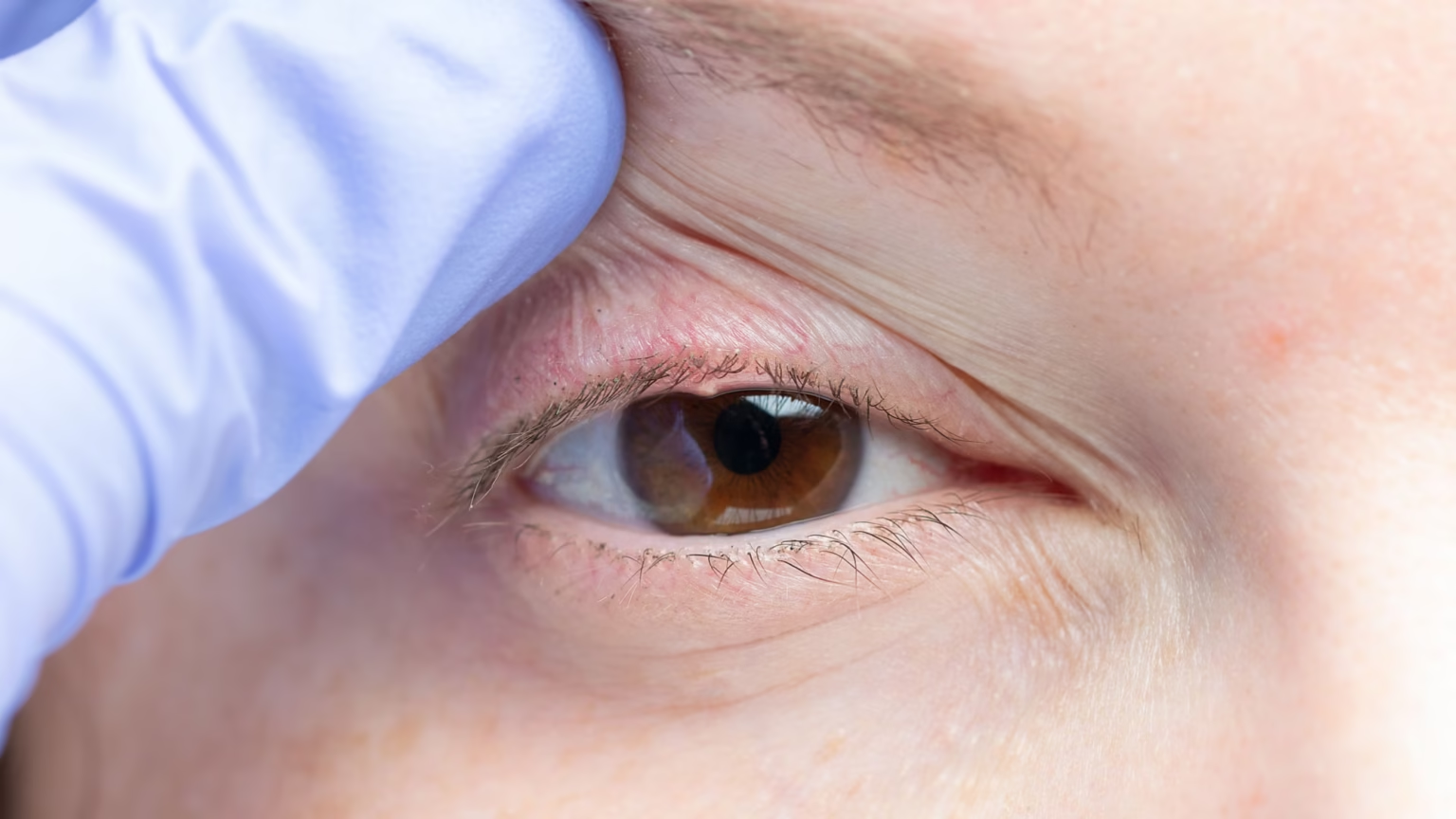
Redness around the eyelids and a sensation of heaviness are also indicators that something may be off with your meibomian glands.
In some cases, you might notice crusting along the eyelashes upon waking up, which can indicate clogged glands. If you’re experiencing these signs, it’s essential to pay attention and seek professional advice for diagnosis and management options.
Diagnosis and Treatment Options
Diagnosing meibomian eye gland dysfunction often begins with a thorough eye examination. An eye care professional will assess the eyelids and tear film to identify any blockages or inflammation in the meibomian glands.
Tests like the Schirmer test may be conducted to measure tear production. Observing the quality of tears can also provide valuable insights into your condition.
When it comes to treatment, options vary based on severity. Warm compresses are commonly recommended to help unclog blocked glands. Regular eyelid hygiene is vital for maintaining cleanliness and promoting healthy function.
In some cases, prescription medications such as anti-inflammatory drops might be necessary. For chronic situations, procedures like lipiflow or intense pulsed light therapy could offer relief by stimulating natural oil production in the glands.
Discussing these options with your healthcare provider ensures you receive personalized care tailored to your unique needs.
Home Remedies for Meibomian Eye Gland Dysfunction
Finding relief from meibomian eye gland dysfunction can start at home. Simple practices often make a big difference.
Warm compresses are among the most effective remedies. They help to loosen any blockages in your glands, promoting better oil flow. Just soak a clean cloth in warm water and apply it gently to your closed eyes for about 10 minutes.
Another helpful technique is eyelid massage. This encourages circulation and may dislodge stubborn debris within the glands. Use clean fingers to gently massage along the eyelids after applying a warm compress.
Adding omega-3 fatty acids to your diet can also be beneficial. Foods like fish, nuts, and flaxseeds contain these healthy fats that support tear production and improve overall eye health.
Don’t forget about hydration! Drinking enough water keeps your body hydrated, which helps maintain good moisture levels in the eyes.
Prevention Tips Meibomian Eye Gland Dysfunction
To prevent meibomian eye gland dysfunction, start by prioritizing hydration. Drink plenty of water daily to keep your body—and eyes—moisturized.
Maintain a balanced diet rich in omega-3 fatty acids. Foods like fish, flaxseeds, and walnuts can help support healthy tear production.
Consider incorporating regular breaks during screen time. Follow the 20-20-20 rule: every 20 minutes, look at something 20 feet away for at least 20 seconds. This helps reduce strain on the eyes.
Keep your eyelids clean and free from debris. Use warm compresses or eyelid scrubs designed specifically for this purpose to promote good hygiene.
Avoid smoking and limit exposure to secondhand smoke; both can irritate and dry out the eyes further.
Wearing sunglasses outdoors will protect your eyes from wind and UV rays that could aggravate symptoms.
Living with MGD: Personal Stories and Strategies
Living with meibomian eye gland dysfunction can feel isolating. Many people don’t understand the daily challenges it brings.
One individual shared how they struggled at work due to constant dryness and irritation. Simple tasks, like staring at a computer screen, became daunting. They found relief through regular warm compresses, which helped unclog blocked glands.
Another person mentioned joining an online support group focused on MGD. Sharing experiences and tips with others in similar situations provided comfort and valuable insights into managing symptoms.
Diet also plays a crucial role for some. Incorporating omega-3 fatty acids has been a game changer for many, improving overall eye moisture levels.
These personal stories reflect resilience and creativity in coping strategies that vary from one person to another, emphasizing the importance of finding what works best for each unique case of MGD.
Conclusion: The Importance of Proper Eye Care
Taking care of your eyes is essential for maintaining good vision and overall well-being. Meibomian eye gland dysfunction can significantly impact your quality of life, leading to discomfort and various visual issues if left unaddressed. Understanding the condition helps in recognizing its signs early on, allowing for timely intervention.
Regular check-ups with an eye specialist are crucial. They can provide personalized treatment options tailored to your needs. Incorporating healthy habits into your daily routine will also play a vital role in prevention.
Paying attention to environmental factors, adopting proper hygiene practices, and being aware of lifestyle choices can make a difference in managing meibomian eye gland dysfunction effectively. Your eyes deserve the best care possible; prioritize their health just as you would any other part of your body.