If you live in or visit an Arabic country, you will quickly notice that the calendar looks a little different. The weekends might be Friday and Saturday. The news anchors might greet viewers differently depending on the month. And several times a year, the entire country seems to pause, celebrate, and come together.
These are the Islamic holidays. They are national occasions that shape daily life, business hours, and family traditions across the Arab world. Understanding them helps you understand the culture.
Why Islamic Holidays Matter in Arabic Countries
In Arabic countries, Islam is not separate from daily life. It influences everything from greetings to business dealings to family schedules. Islamic holidays are when this connection becomes most visible.
These holidays serve two main purposes. First, they are moments of spiritual significance and drawing nearer to Allah. They are times for more prayer, reflection, and gratitude. Second, they are social events. Families travel long distances to be together. Neighbors exchange food. Children receive new clothes and money. The holidays remind everyone that they belong to a community.
Because the Islamic calendar is lunar, these holidays shift by about 10 to 12 days each year in the Gregorian calendar. This means they occur in different seasons over time, which keeps traditions varied and interesting.
Major Islamic Holidays Celebrated Across the Arab World
Let us walk through the main holidays you will encounter, in the order they appear in the Islamic year.
Ramadan
Ramadan is the ninth month of the Islamic calendar and the most significant period of the year. It is not technically a holiday—it is a holy month. But it dominates life in ways that no other holiday does.
During Ramadan, adult Muslims fast from dawn until sunset. This means no food, no drink, and no smoking during daylight hours. The purpose is to develop self-discipline, feel empathy for the hungry, and focus on spiritual growth.



The rhythm of life changes completely. Restaurants are closed during the day and packed at night. Work hours are shortened. Streets become quiet in the afternoon and come alive after sunset prayers. The fast is broken each evening with a meal called iftar, often shared with family or neighbors. Many people also wake before dawn for suhoor, a light meal to prepare for the fast.
Throughout the month, you will hear and see specific greetings and prayers. People frequently exchange Ramadan wishes in Arabic, such as “Ramadan Kareem” (Generous Ramadan) or “Ramadan Mubarak” (Blessed Ramadan). These phrases acknowledge the month and express goodwill. You can learn more about these expressions and when to use them in this guide to welcoming Ramadan with beautiful Arabic phrases.
The last ten nights of Ramadan are especially important because they include Laylat al-Qadr, or the Night of Decree, when the Quran was first revealed.
Eid al-Fitr
When Ramadan ends, Eid al-Fitr begins. The name means “Festival of Breaking the Fast.”
This is a three-day holiday, though official time off varies by country. The celebration starts with a special prayer at sunrise, performed in large gatherings. After prayer, families visit each other, starting with the elders. Children receive gifts and money, called eidiya. Tables are filled with sweet dishes, which is why some call it the “Sweet Eid.”
A key part of Eid al-Fitr is Zakat al-Fitr, a mandatory charity given before the holiday prayer. This ensures that even poor families can participate in the celebration. It reflects a core Islamic value: that worship and community care go together.
Eid al-Adha
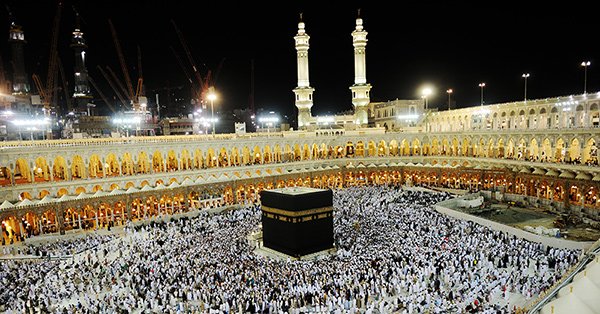
About 70 days after Eid al-Fitr comes Eid al-Adha, or the “Festival of Sacrifice.” This holiday lasts four days and coincides with the Hajj pilgrimage in Mecca.
It commemorates the story of the Prophet Ibrahim and his willingness to sacrifice his son in obedience to God. Before he could do so, God provided a ram to sacrifice instead.
The main tradition is the sacrifice of an animal—usually a sheep, goat, or cow. The meat is divided into three parts: one for the family, one for relatives and friends, and one for the poor. This distribution reinforces the idea that blessings should be shared.
In Eid al-Adha, the takbirat, or declarations of God’s greatness, are recited from the day before Eid through the four days of the holiday.
Islamic New Year
The Islamic New Year, also called the Hijri New Year, marks the beginning of the lunar calendar. It commemorates the Hijra, the migration of the Prophet Muhammad from Mecca to Medina in 622 CE. This event was a turning point that led to the establishment of the first Muslim community.
Compared to the Eids, this holiday is quiet. There are no special prayers or feasts. Instead, Muslims reflect on the meaning of the migration: sacrifice, planning, and faith in difficult times. Some use the day to set personal goals for the year ahead.
Mawlid al-Nabi
Mawlid al-Nabi is the birthday of the Prophet Muhammad. How it is celebrated varies widely across the Arab world.
In some countries, like Saudi Arabia and Qatar, it is a low-key day or not officially observed. In others, such as Egypt, Morocco, and Syria, it is a festive occasion. Streets are decorated, and people gather for sessions where religious poetry is recited. Special sweets are prepared and shared, particularly with children. In Egypt, these sweets are called halawat al-mawlid, which include sugar dolls and decorated candies.
How Islamic Holidays Strengthen Community in Arabic Societies
What unites all these holidays is how they pull people together.
During Ramadan, wealthy individuals and organizations fund free iftar meals for the poor. During Eid al-Adha, meat distribution ensures that even low-income families eat well. During Mawlid, neighbors share sweets.
These acts are not commanded in a legalistic sense. They happen naturally because the holidays create a shared mood of generosity. When everyone around you is fasting, you want to help them break their fast. When everyone is sacrificing an animal, you want to share your portion. When everyone is celebrating, you want your neighbors to celebrate too.
This is also why greetings matter. During these times, you will hear common muslim sayings like “Eid Mubarak” (Blessed Holiday) or “Taqabbal Allahu minna wa minkum” (May Allah accept from us and you).
If you are learning Arabic or spending time in the region, knowing these phrases helps you connect. This article on common Arabic Islamic phrases explains the meanings and appropriate contexts for many of them.
Final Word
Islamic holidays in Arabic countries are more than days off work. There are moments when faith becomes visible, when families reconnect, and when communities remember that they belong together.
For visitors or newcomers, these holidays are opportunities. You will see traditions that go back centuries. You will taste food made only at certain times of year. You will hear Arabic used in beautiful and meaningful ways.
And you will understand why, when the moon sighting is announced and the holiday begins, the entire country rejoices.