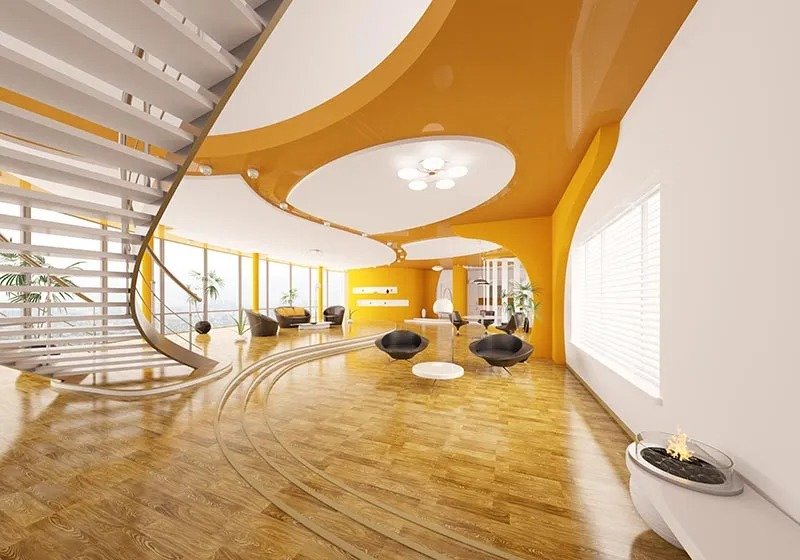
Stretch ceilings are essentially made up of a thin membrane stretched across a room to form a seamless, often spectacular, roof that hides wiring, levels out uneven plaster and can transform light. You will find that once you know the basic mechanics and choices you have, specifying one becomes straightforward. This article gives you practical answers you can use when planning, specifying or arguing for a stretch ceiling on a job. No marketing fluff. Just the facts, trade insight and a few decisions you will need to make.
Benefits Of Stretch Ceilings
Let’s lay out the relevant facts surrounding the many benefits of stretch ceilings, to help you weigh them against more familiar finishes.
- Speed and disruption: Installers fit the tracks and membrane quickly so you will find a room can be finished in a fraction of the time required for plaster and skim, notes CMG Pickering Management. That means less dust and less disruption to occupants.
- Seamless appearance: The result is smooth and continuous. Surfaces can read like a sheet of fabric pulled tight, which masks imperfections in the original ceiling and removes the need for extensive preparatory work.
- Integration of services: You can integrate lighting, speakers and ventilation so the ceiling becomes a service plane rather than a barrier. You will find that recessed lights, slot lights and backlit features can be incorporated with planning.
- Moisture resistance: PVC membranes stand up to humidity better than plaster which makes them suitable for bathrooms and kitchens in many cases.
- Acoustic benefits: When teamed with an acoustic backing you can reduce reverberation and improve speech clarity in offices and restaurants.
- Aesthetic variety: You will choose from different colours, finishes and printed patterns to achieve looks from discreet to theatrical.
These benefits mean stretch ceilings can change the way you approach a room. You will want to balance upfront cost against lifetime performance and the value of a fast clean install.
Materials, Types And Finishes
Two materials dominate. PVC membrane is the common choice in the UK. It is flexible, relatively inexpensive and available in many finishes. It will expand when heated and contract on cooling which installers use during fitting. Fabric membranes come from polyester and are coated or laminated. They are lighter, have higher acoustic permeability and can be better for very large spans where weld seams would be visible.
Properties you should check for each material include tensile strength, flame retardancy rating and light transmission. PVC can be water resistant which protects it from condensation. Fabric membranes might behave better acoustically but they can allow more dust through if not backed properly.
You will also want to ask about jointing methods. Welded seams are common with PVC and create strong durable joins. Mechanical joins are sometimes used with fabric.
Finish Types: Matte, Satin, Gloss, Printed And Translucent
Matte finishes read like a soft plaster ceiling. They mask reflections so fixtures and defects hide better. Satin offers a subtle shimmer which can look elegant without being showy. Gloss finishes act like a shallow mirror. Use them deliberately because they will reflect lights and the room back at you which can visually increase height but will reveal irregularities in the space below.
Printed membranes allow photographic or bespoke graphics. You will find them useful for public spaces, lobbies and retail environments where a brand motif or sky effect is required. Translucent membranes let light through. Pair them with a backlight and you can create an even luminous field that replaces the need for multiple discrete lamps.



The finish you pick affects maintenance and perception. Gloss will require more frequent cleaning. Translucent options need uniform backlighting to avoid hot spots. You should see samples in the actual room if possible because colour and sheen change with daylight and artificial light.
Maintenance, Cleaning And Repairs
For cleaning you will find a soft cloth, warm water and mild detergent handle most marks on PVC membranes. Work with gentle pressure. Avoid abrasive pads and solvents because they can damage coatings. If a jump in temperature follows cleaning the membrane will settle again but avoid rapid thermal shocks.
Do keep steam cleaners away unless the manufacturer explicitly says they are safe. Do turn off powered lights near the membrane while you clean to avoid thermal stress. Do test cleaning products on a spare sample where possible. Do not use sharp tools on the membrane surface. Do not scrub aggressively. Do not leave standing water on a seam for long periods.
Common Damage, Small Repairs And When To Call A Pro
Small punctures and tears can sometimes be repaired with specialist adhesive patches but success depends on the membrane type and location of the damage. You will find small cosmetic marks can often be concealed by repositioning lighting or by using a local patch. Large tears, damaged welds or deformed areas usually require professional removal and replacement of the affected sheet.
If moisture has caused whitening or if the seam has opened you should call a professional installer. They will inspect the track, check the perimeter fixation and decide if a re tensioning or a full panel replacement is necessary. For safety critical elements such as areas around mechanical grills or fire barriers call a pro immediately.
Lifespan, Warranties And Cost Considerations
Stretch ceilings carry a premium over basic plasterboard in material cost, yet they may be cheaper in labour when you include the faster installation and reduced snagging.
Typical lifespan for a well specified and installed membrane is 15 to 25 years. PVC can last longer indoors where UV exposure is controlled. Fabric membranes might last similarly but you should check manufacturer statements and expected performance in the intended environment.
Warranties vary. Many reputable manufacturers will offer coverage that ranges from 5 to 10 years for PVC products and similar for fabric where joint integrity is guaranteed. You will need to read warranty clauses carefully because they often exclude damage from improper cleaning, accidental punctures and installations that do not follow their specified accessories.
On cost you will find variables. Room size, ceiling complexity, finish type and lighting integration all push price up. Translucent and printed membranes cost more. Acoustic treatments add to the bill. In the case that you are comparing alternatives ask for fully itemised quotes so you can compare the supply and install elements separately.
Consider whole life cost. If a stretch ceiling reduces maintenance, conceals expensive remedial work or extends the life of integrated services it can be cost effective. You will want to get at least three quotes and check installer references and sample work before committing.
Departing Points
Stretch ceilings explained in closing terms: they are a versatile finish that changes how you plan a room. You will find they save time on site, allow creative lighting solutions and solve a raft of practical problems from humidity to service concealment.
If you are specifying one, take these steps: view physical samples in situ: confirm lighting and HVAC details with your installer: get itemised quotes and request warranty terms in writing. Expect the finish to alter perception of space like a calm sea alters a shoreline.
Decide what matters to you. If speed, a clean finish and integrated lighting matter a stretch ceiling will likely be the sensible choice. If you require a traditional plaster look for listed interiors you might prefer older methods. Either way you will now have the detail to ask the right questions and to hold a contractor to a clear brief.