In today’s fast-paced digital world, businesses are under increasing pressure to provide seamless, personalized communication to their customers. Traditional methods of manually sending messages, responding to inquiries, or issuing updates are no longer enough to meet rising expectations. Customers now expect timely, accurate, and relevant information across multiple channels, and companies that fail to deliver risk losing engagement, trust, and long-term loyalty. To address these challenges, businesses are increasingly adopting WhatsApp API as a central tool to automate messaging and streamline communication. By connecting messaging platforms directly with business systems, companies can send reminders, order updates, confirmations, and support notifications automatically, ensuring that customers receive timely and consistent communication. While WhatsApp remains a primary channel, organizations are also using email, SMS, maintain a multi-channel presence, ensuring messages reach customers wherever they are and providing a unified, convenient communication experience.
The Challenge of Manual Communication
Managing customer communication manually has become increasingly challenging for modern businesses, especially those experiencing growth or handling high volumes of inquiries. Teams that rely on manual processes often struggle to respond to order confirmations, shipping updates, appointment reminders, promotional messages, and support queries in a timely manner. This not only slows down operations but also creates inconsistencies in messaging, leaving customers frustrated and eroding trust. For companies that operate across multiple channels, the complexity multiplies. Customers now expect to receive responses through a variety of platforms, including WhatsApp, email, chat apps, and even a social media platform, often expecting instant replies or notifications. Manual handling of all these interactions is inefficient and prone to human error, which can lead to missed opportunities, delayed follow-ups, and an overall decline in service quality. Furthermore, the reliance on human resources for repetitive tasks increases operational costs and limits scalability, making it difficult for businesses to grow without significantly expanding support teams. These challenges highlight the urgent need for automation, as businesses must find a way to maintain responsiveness, consistency, and personalization at scale. By adopting messaging APIs, companies can address these pain points, streamline communication workflows, and ensure that every customer interaction is timely, accurate, and professionally managed, regardless of the volume of messages or complexity of the channel.
How Messaging APIs Transform Engagement
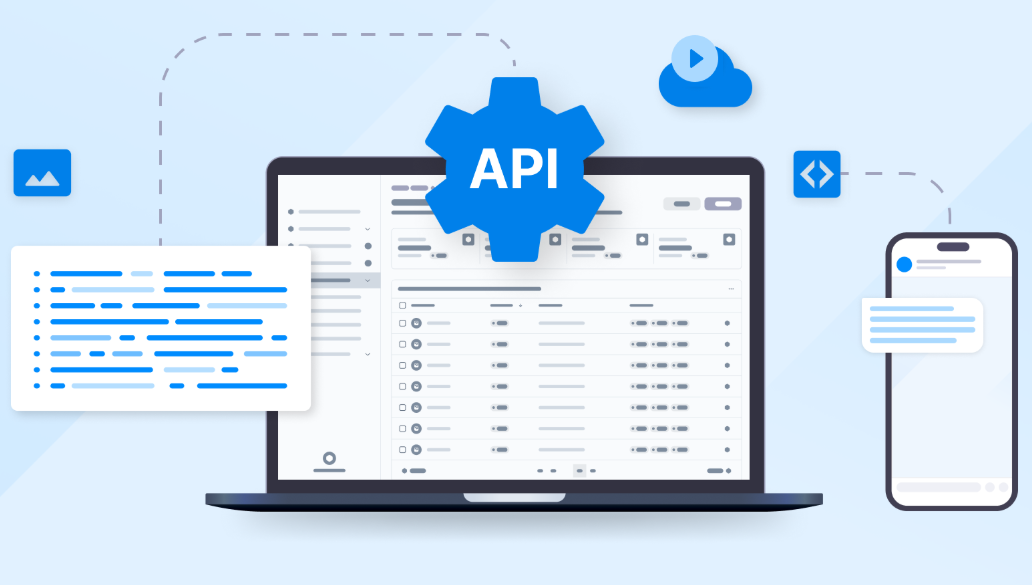
Messaging APIs have revolutionized the way businesses communicate with their customers, allowing organizations to automate, scale, and personalize interactions in ways that were previously impossible. At the forefront of this transformation is WhatsApp API integration, which enables companies to send automated updates, order confirmations, appointment reminders, and customer support messages directly to users’ devices. Unlike manual messaging, API-driven communication ensures that every interaction is consistent, accurate, and delivered in real time. By connecting messaging platforms to CRM systems, e-commerce platforms, or other business software, companies can tailor messages based on customer data, such as purchase history, preferences, and location, making every notification feel personal and relevant. For instance, a small online retailer can automatically alert a customer when a back-ordered product becomes available or send personalized promotions based on past purchases, reducing response time and enhancing customer satisfaction. Beyond efficiency, messaging APIs empower support teams to focus on complex, high-value tasks, while routine notifications are handled automatically. This results in faster response times, higher engagement, and improved loyalty, demonstrating how WhatsApp API serves as a powerful tool for businesses looking to scale communication without sacrificing quality.
Complementary Communication Tools
While messaging APIs form the backbone of modern automated communication, businesses are increasingly combining them with other tools to create a seamless, multi-channel experience. Email automation remains a cornerstone, allowing companies to send newsletters, promotional campaigns, and transactional updates efficiently while maintaining a professional and consistent tone. Chatbots on websites and mobile apps provide real-time assistance to visitors, guiding them through product pages, answering frequently asked questions, or capturing leads without requiring human intervention. Push notifications add another layer of immediacy, delivering alerts, reminders, or promotional messages directly to customers’ devices, ensuring critical information is seen without delay. By integrating these channels into a unified strategy, organizations can offer a personalized experience, making interactions more convenient and relevant for each user. Moreover, the combination of multiple communication tools generates valuable data, enabling businesses to monitor engagement patterns, track response rates, and gain insights into customer preferences. These analytics allow companies to continuously refine their strategies, optimize messaging, and deliver content that resonates with their audience. A thoughtful, multi-channel approach ensures that businesses can meet customers where they are, increasing satisfaction and loyalty while maintaining operational efficiency and scalability.
Key Benefits of Integrating Messaging APIs
Integrating messaging APIs into a business communication strategy offers a wide range of advantages that extend beyond efficiency and convenience. One of the most significant benefits is the ability to automate repetitive tasks, which reduces the burden on support teams and allows employees to focus on higher-value activities that require critical thinking or personal attention. This automation ensures messages are consistent, timely, and accurate, minimizing the risk of errors, missed notifications, or delayed responses that can harm customer trust. Personalization is another key benefit, as businesses can tailor messages based on customer data, purchase history, or preferences, creating interactions that feel relevant and engaging. Companies also gain the ability to provide continuous, 24/7 communication, allowing customers to receive updates, reminders, or support whenever needed, regardless of time zones or working hours. Channels such as WhatsApp are particularly effective for high-response communication, ensuring that important messages are read promptly. Additionally, integrating multiple channels provides detailed analytics, enabling businesses to track engagement, monitor trends, and make data-driven decisions to optimize future interactions. Overall, API-driven communication empowers companies to strengthen customer relationships, increase satisfaction, and build long-term loyalty while maintaining operational control and scalability.
Future Trends in Messaging API Integration
Looking ahead, the evolution of messaging API integration is set to transform customer engagement even further, driven by advances in artificial intelligence and machine learning. Businesses are increasingly adopting AI-powered automation to enable predictive messaging, where systems can anticipate customer needs and send timely, relevant updates without manual input. Conversational AI and smart chatbots are becoming more sophisticated, capable of handling complex queries, providing personalized recommendations, and engaging customers in natural, human-like interactions. Multi-channel integration will continue to expand, combining messaging platforms, email, push notifications, and other communication tools to deliver a truly seamless experience. Real-time analytics and performance tracking will provide actionable insights, allowing companies to continuously optimize their messaging strategies and refine content for maximum impact. The rise of smart assistants across platforms will further enhance engagement, enabling proactive communication and personalized support that meets customers’ expectations for immediacy and relevance. These trends indicate that businesses adopting integrated messaging solutions will not only improve efficiency but also strengthen relationships, enhance loyalty, and gain a competitive edge in an increasingly digital and connected marketplace.
Conclusion
Integrating messaging APIs has become a vital strategy for businesses aiming to enhance customer engagement and streamline communication in today’s fast-paced digital environment. By automating routine tasks, ensuring timely responses, and personalizing interactions, companies can provide a seamless experience that meets modern customer expectations. Tools like WhatsApp API enable organizations to maintain direct, high-response communication, while complementary channels such as email, chatbots, and push notifications create a multi-channel ecosystem that strengthens relationships and builds trust. Businesses that adopt these solutions gain not only operational efficiency but also actionable insights through analytics, allowing them to continuously refine engagement strategies. Companies ready to implement integrated messaging solutions will stay ahead, delivering exceptional customer experiences and maintaining a competitive advantage in 2026 and beyond.