(Source: Bing)
You can’t just show up in Brooklyn with a camera and hope for the best. New York City takes filming very seriously, and if you skip the legal steps, your shoot can be shut down fast. The good news is that the process is clear once you understand the moving parts.
This guide walks you through permits, insurance, location agreements, and local rules so you can focus on the creative without risking fines or delays.
NYC Filming Locations: Start With The Permit
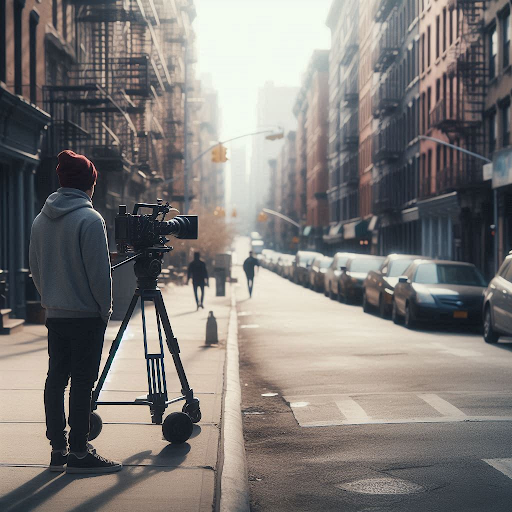
If you are filming on public property in NYC, you will likely need a permit from the Mayor’s Office of Media and Entertainment. Most exterior shoots using more than handheld cameras require approval, and permits are generally issued for up to 14 days. The standard fee is $500 per 14 day period, so plan for it in your production budget from the start.
Interior shoots on private property may not need a permit, but if you plan to affect sidewalks, streets, or parking, you will. When in doubt, confirm early to avoid problems on set.
When A Letter In Lieu Makes Sense
For small, low impact exterior shoots, the city may allow a Letter in Lieu of a Permit. This option is limited and does not cover stunts, traffic control, or amplified sound. It can help indie creators move quickly, but it is not a loophole. If your footprint expands, your paperwork must expand as well.
Insurance And Certificates: Protect The Production



Before your permit is finalized, you must provide proof of insurance. Productions typically name the City of New York as an additional insured and submit certificates at least 48 hours before filming. Brokers need time to issue compliant documents, so last minute requests can delay your schedule.
Most shoots require general liability coverage, and sometimes workers compensation and auto coverage. If you are renting a production office or short term space, landlords may require higher limits.
Locking Down Private Locations The Right Way
Private property offers more control, but it requires solid contracts. Your location agreement should define access hours, restoration duties, indemnification, and payment terms.
For short term leases or pop up production offices, many teams work with experienced real estate attorneys for commercial clients to avoid vague clauses that can trigger disputes over damage or overtime. Clear paperwork helps your shoot run as planned, especially in mixed use buildings where neighbors live upstairs.
Community Notifications, Sound, And Drones
New York is a city of neighborhoods, so community relations matter. Permit holders often must post advance notices listing shoot dates, parking impacts, and a contact for complaints.
Night shoots and amplified sound may need extra approvals, especially near residential buildings. Clear communication can prevent 311 calls and delays. Drone use is tightly restricted, requiring NYPD authorization for takeoff and landing, along with compliance with FAA rules. Start the drone approval process weeks ahead.
A Simple Timeline For Indie Shoots
Here is a practical sequence many small productions follow:
- Lock script and identify public versus private locations
- Apply for permits at least two weeks before exterior shoot dates
- Secure insurance and submit certificates 48 hours before filming
Build in buffer time for agency feedback, weather shifts, and neighbor concerns. Rushing legal steps rarely saves time in the long run.
Securing NYC Filming Locations Without Drama
Securing NYC filming locations legally is about respecting the city you work in. Permits, insurance, and clear agreements protect your crew and reputation. If you are negotiating a short term lease, Axiom Law’s New York team can help align documents with your schedule. Share questions in the comments before cameras roll.