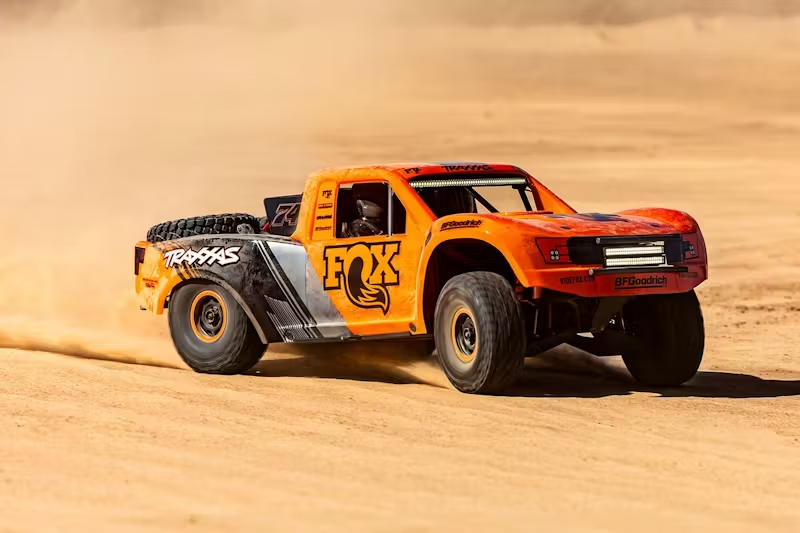
There’s something uniquely satisfying about watching your rc trophy truck navigate a rocky trail, suspension flexing over boulders and tires gripping loose dirt—a stark contrast to the adrenaline rush of high-speed bashing on open pavement. Trail driving demands finesse, patience, and a machine built for technical terrain. The RC trophy truck, with its scale realism and robust engineering, stands as the ultimate platform for conquering these challenges, transforming weekend drives into genuine off-road adventures.
This comprehensive guide will walk you through the complete journey of transforming your RC trophy truck from a display piece into a capable trail master. We’ll explore essential setup modifications, refine your driving techniques, and connect you with a community that shares your passion for authentic scale performance.
For collectors, models like the FMS Model Land Rover carry the proud heritage of the legendary Camel Trophy Series, blending meticulous authentic design with real-world capability. These aren’t just shelf queens—they’re engineered to honor their full-scale ancestors by actually performing on the trail, making every outing a tribute to off-road history.
Understanding Your RC Trophy Truck’s DNA
An RC trophy truck earns its name through three defining characteristics: scale realism that mirrors full-size rigs, suspension travel that allows wheels to articulate independently over obstacles, and body design that balances aesthetics with function. Unlike speed-focused bashers, these machines prioritize ground clearance, approach angles, and the ability to flex through terrain that would stop lesser vehicles cold.
The heritage runs deep. Real-world competitions like the Camel Trophy Series pushed Land Rovers through jungles, deserts, and mountain passes from 1980 to 2000, creating legends of endurance and capability. Manufacturers capture this spirit by replicating every detail—from functional roof racks to accurate body lines—in their scale models. These aren’t approximations; they’re miniature tributes to vehicles that conquered the world’s harshest environments.
This platform excels on trails because physics works in your favor. The low center of gravity keeps the truck planted during side-hill traverses. Realistic articulation lets each wheel maintain contact with uneven surfaces, maximizing traction. Durable construction withstands the impacts and scrapes that come with authentic off-road use. When you combine scale authenticity with engineering designed for punishment, you get a machine that doesn’t just look the part—it lives it.
Essential Upgrades for Unbeatable Trail Performance
Suspension and Tire Setup
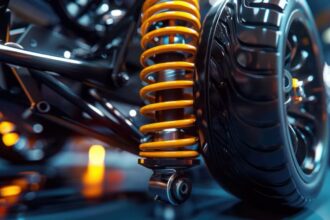
Your suspension determines whether obstacles feel like smooth rollers or jarring impacts. Start with shock oil weight—lighter oils (20-30wt) allow faster compression for high-speed trails, while heavier oils (40-60wt) slow rebound for controlled crawling over technical sections. Match this with softer springs if you’re tackling rock gardens where maximum articulation matters, or stiffer springs for faster trails where body roll becomes an issue. The goal is keeping all four tires planted without letting the chassis drag on obstacles.
Tire selection transforms capability overnight. Scale mud terrains deliver the authentic look while their deep lugs bite into loose dirt and clay. Pair them with firm foams rather than stock inserts—these maintain tire shape during side loads while still allowing enough flex to conform around rocks. Avoid going too soft, as collapsed sidewalls reduce ground clearance and make the truck wander unpredictably. For mixed terrain, a slightly narrower tire prevents the truck from floating over surfaces where you need to dig in.

Weight distribution separates competent trucks from unstable ones. Mount your battery as low and centered as possible, using foam padding to prevent movement during articulation. Adding brass weights to the axles lowers the center of gravity dramatically, reducing rollover risk on off-camber sections. Some builders relocate electronics to create better balance front-to-rear, ensuring the truck doesn’t plow or spin out when climbing. Every ounce placed strategically improves how the suspension works through its travel.
Drivetrain and Power Modifications
Trail performance demands torque over top speed, which means rethinking your motor choice. A moderate brushed motor in the 35-turn range delivers smooth, controllable power that won’t break traction on loose surfaces. If you prefer brushless, look for sensored systems rated around 2000-3500kv—these provide instant response at low speeds without the cogging that makes precise throttle control impossible. The difference becomes obvious on steep climbs where you need steady power application rather than explosive acceleration.
Your electronic speed controller acts as the brain of the drivetrain. Waterproof units aren’t optional—they’re essential insurance against the mud, stream crossings, and morning dew that define trail running. Look for ESCs with drag brake settings, which let you program how aggressively the system resists forward momentum when you release the throttle. This feature transforms descents from white-knuckle slides into controlled crawls. Adjustable punch control lets you dial back initial throttle response, preventing wheel spin on technical sections.
Gearing changes everything about how power reaches the ground. A two-speed transmission gives you crawling gears for obstacles and overdrive for connecting trails, though it adds complexity. Most builders achieve better results with simple gear reduction—swapping to a larger spur gear or smaller pinion drops your top speed while multiplying torque. Aim for a setup where you can idle up steep grades without overheating the motor. Finally, invest in a quality servo rated for at least 15kg-cm of torque. Weak servos struggle to turn tires against rocks and roots, leading to stripped gears and missed lines when precision steering matters most.
Body and Protection Mods
Functional accessories bridge the gap between scale realism and practical use. LED light bars mounted on roof racks or bumpers extend your driving sessions into twilight, revealing trail features that disappear in shadows. Scale jerry cans, shovels, and hi-lift jacks bolted to the body complete the authentic expedition look while adding minimal weight. These details matter when you’re sharing trail time with other enthusiasts who appreciate the craftsmanship of a properly detailed build.
Protection mods preserve your investment without compromising aesthetics. Aluminum skid plates guard the chassis, battery tray, and steering linkage from impacts with rocks and stumps. Front and rear bumpers absorb the hits that would otherwise crack body mounts or bend shock towers. Choose designs that complement your truck’s lines rather than bulky aftermarket pieces that destroy the scale appearance. Many builders paint protection parts body color or flat black so they blend seamlessly with the overall design.
Waterproofing extends beyond the ESC to every electronic component. Apply silicone grease to receiver box seals and servo cases, then test by submerging in a bucket before hitting the trail. Use marine-grade heat shrink on all solder connections and route wires away from moving parts where abrasion could expose conductors. A properly sealed truck shrugs off water crossings and rainstorms, letting you focus on driving rather than worrying about expensive failures miles from the parking area.
Advanced Driving Techniques for the Trail
Throttle and Brake Control
Mastering the crawl technique separates trail drivers from bashers. Apply throttle in gentle pulses rather than holding it steady—this lets the suspension settle between inputs and prevents wheel spin on loose surfaces. Your goal is finding the minimum power needed to maintain forward momentum, which often means barely cracking the trigger. When the truck bogs down mid-obstacle, resist the urge to mash the throttle; instead, back off slightly and reapply with a smoother touch that lets the tires find grip.
Descending steep grades demands active brake management rather than passive coasting. Tap the brake trigger rhythmically to control speed without locking the wheels, which causes uncontrolled slides. Program your ESC’s drag brake to provide constant resistance—this acts like engine braking in a real truck, keeping descents manageable without constant trigger input. On loose dirt or gravel, momentum becomes your ally; carry just enough speed to float over washboard sections without bouncing violently, but not so much that you can’t stop before the next obstacle.
Line Selection and Obstacle Approach
Reading the trail starts before your truck touches an obstacle. Walk ahead and identify the high points where your chassis might hang up, then visualize a path that keeps wheels on solid contact points while avoiding belly drags. Look for natural ramps—angled rocks or dirt mounds—that let you climb gradually rather than hitting vertical faces. The best line isn’t always the most direct; sometimes a wider arc around an obstacle maintains momentum and traction better than a straight assault.
Approach angles determine success or failure on technical features. Hit rocks at a diagonal so one wheel climbs first, allowing the suspension to articulate and transfer weight naturally. Straight-on approaches force both front wheels up simultaneously, often resulting in a nose-high wheelie or loss of steering control. For ruts and ditches, enter at an angle that lets one axle drop and climb out before the other follows—this prevents the chassis from bridging across the gap and getting stuck. Side-hill sections require positioning the truck so weight shifts toward the uphill tires, reducing rollover risk while maintaining traction on the slope.
Joining the Community: From Collector to Participant
The workbench represents only half of this hobby’s potential. Your meticulously detailed RC trophy truck deserves an audience beyond your garage shelves, and the trail community welcomes builders who respect both scale authenticity and real-world capability. Sharing your truck with fellow enthusiasts transforms solitary tinkering into collaborative experiences where you’ll learn techniques, discover new locations, and appreciate builds you’d never encounter scrolling through product listings alone.
Finding local groups starts with social media platforms where regional RC crawling and trail clubs post event announcements. Search for terms like “scale RC trail” or “RC crawler” combined with your city or state name. Facebook groups often organize monthly trail runs at parks, dry riverbeds, or purpose-built courses where terrain varies from beginner-friendly to expert-level technical. Forums dedicated to specific brands or vehicle types maintain regional meetup threads where members coordinate drives and share GPS coordinates for proven locations.
Scale-focused gatherings elevate the experience beyond casual bashing sessions. Events celebrating detailed builds attract collectors who appreciate the craftsmanship behind limited edition models and authentic replicas. Attendees bring trucks representing different eras and competitions—Camel Trophy Land Rovers parked alongside Paris-Dakar rally trucks and modern overlanders. These meetups blend static displays with group trail runs, letting you showcase your build’s details before proving its capabilities on challenging terrain. The conversations flow naturally between modification techniques, historical accuracy debates, and shared stories of memorable trail moments that make the hobby addictive.
Transform Your Build Into a Trail-Ready Machine
Mastering trail performance with your RC trophy truck represents a journey that honors both engineering excellence and driving skill. The suspension tweaks, tire choices, and drivetrain modifications transform your machine into a capable trail weapon, while throttle finesse and line selection unlock terrain that once seemed impossible. Together, these elements create a synergy where authentic design meets real-world capability—exactly what the original Camel Trophy competitors demanded from their full-scale rigs decades ago.
The ultimate reward isn’t just conquering a difficult obstacle or perfecting your build’s scale details. It’s the complete experience: the satisfaction of watching your truck flex through a rock garden you studied carefully, the pride when fellow enthusiasts appreciate your attention to authentic details, and the camaraderie of shared trail runs where everyone celebrates both successes and spectacular rollovers. These moments justify every hour spent at the workbench and every dollar invested in upgrades.
Your RC trophy truck has waited long enough. Apply these setup principles, practice the driving techniques on varied terrain, and seek out the community that shares your passion for scale authenticity and trail performance. The trails are calling, and your truck is ready to prove it’s far more than a display piece—it’s a capable machine built to honor its heritage by actually performing where it matters most.