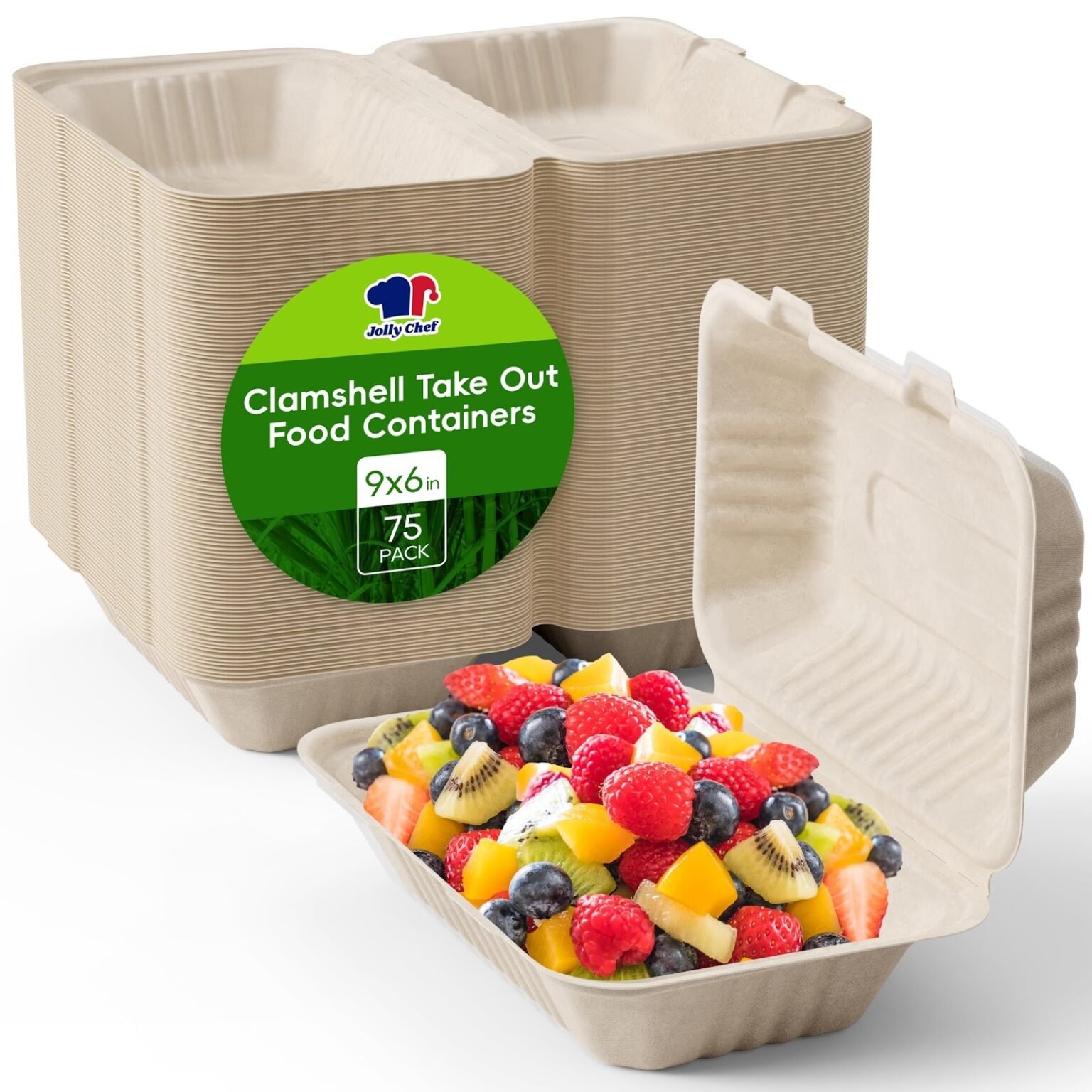
Today’s diners increasingly expect the businesses they support to prioritize sustainability, and the food industry sits squarely in the spotlight. For food truck operators and mobile caterers, this shift presents a unique challenge that goes beyond simply choosing greener options. Your packaging must withstand the rigors of mobile service—surviving bumpy rides, temperature fluctuations, and quick-paced service—while remaining affordable enough to protect your already tight margins. The marketplace now overflows with products claiming to be eco-friendly, from compostable containers to biodegradable utensils, making it difficult to distinguish genuinely sustainable solutions from greenwashed marketing. This guide cuts through the confusion to help you select food truck supplies that genuinely reduce environmental impact without compromising the functionality your operation demands. You’ll learn a practical, three-step framework for transitioning to packaging that satisfies both your customers’ environmental values and your business’s operational requirements, transforming a potential headache into a powerful branding advantage.
- Why Eco-Friendly Packaging is a Must for Modern Food Trucks
- Understanding Your Core Food Truck Supplies: Materials Matter
- Selecting the Right Sustainable and Biodegradable Packaging Options
- Balancing Cost, Function, and Sustainability in Meal Prep Solutions
- Building a Sustainable Future for Your Mobile Food Business
Why Eco-Friendly Packaging is a Must for Modern Food Trucks
The shift toward sustainable packaging isn’t just an environmental nicety—it’s become a business imperative that directly affects your bottom line. Recent surveys show that 73% of millennials and Gen Z consumers will pay more for products from environmentally responsible companies, and they’re actively seeking out food vendors who share these values. When you adopt eco-friendly packaging, you’re not simply reducing waste; you’re building brand loyalty among the most vocal and socially connected customer segments who will photograph, post, and recommend your truck to their networks.
Beyond customer preferences, regulatory pressures are tightening rapidly. Cities from San Francisco to New York have already implemented bans on polystyrene foam containers, with dozens more municipalities drafting similar legislation. Getting ahead of these regulations protects you from scrambling for last-minute solutions when bans take effect in your area. For mobile caterers especially, the waste reduction benefits are tangible—your operation generates concentrated amounts of single-use packaging daily, and switching to compostable or recyclable alternatives can dramatically decrease the environmental footprint of each service.
The competitive advantage extends beyond compliance and customer goodwill. Food trucks that prominently feature their sustainable practices often secure premium spots at eco-conscious events, farmers markets, and corporate campuses where environmental credentials matter. Your packaging choices become a silent salesperson, communicating your values before customers take their first bite, transforming what could be a cost center into a strategic differentiator that sets you apart in crowded markets.
Understanding Your Core Food Truck Supplies: Materials Matter
Navigating the landscape of eco-friendly packaging starts with understanding the fundamental material options available to you. Compostable PLA (polylactic acid), derived from corn starch or sugarcane, offers excellent clarity for showcasing colorful salads and desserts, but it has a critical weakness: it softens above 110°F, making it unsuitable for hot foods or extended time in warming cabinets. Biodegradable materials represent a broader category that breaks down over time through microbial action, though without industrial composting facilities, many won’t decompose faster than traditional plastics in landfills. Recycled paperboard containers provide sturdy, grease-resistant options for dry and moderately moist foods, though they struggle with soups or heavily sauced dishes.
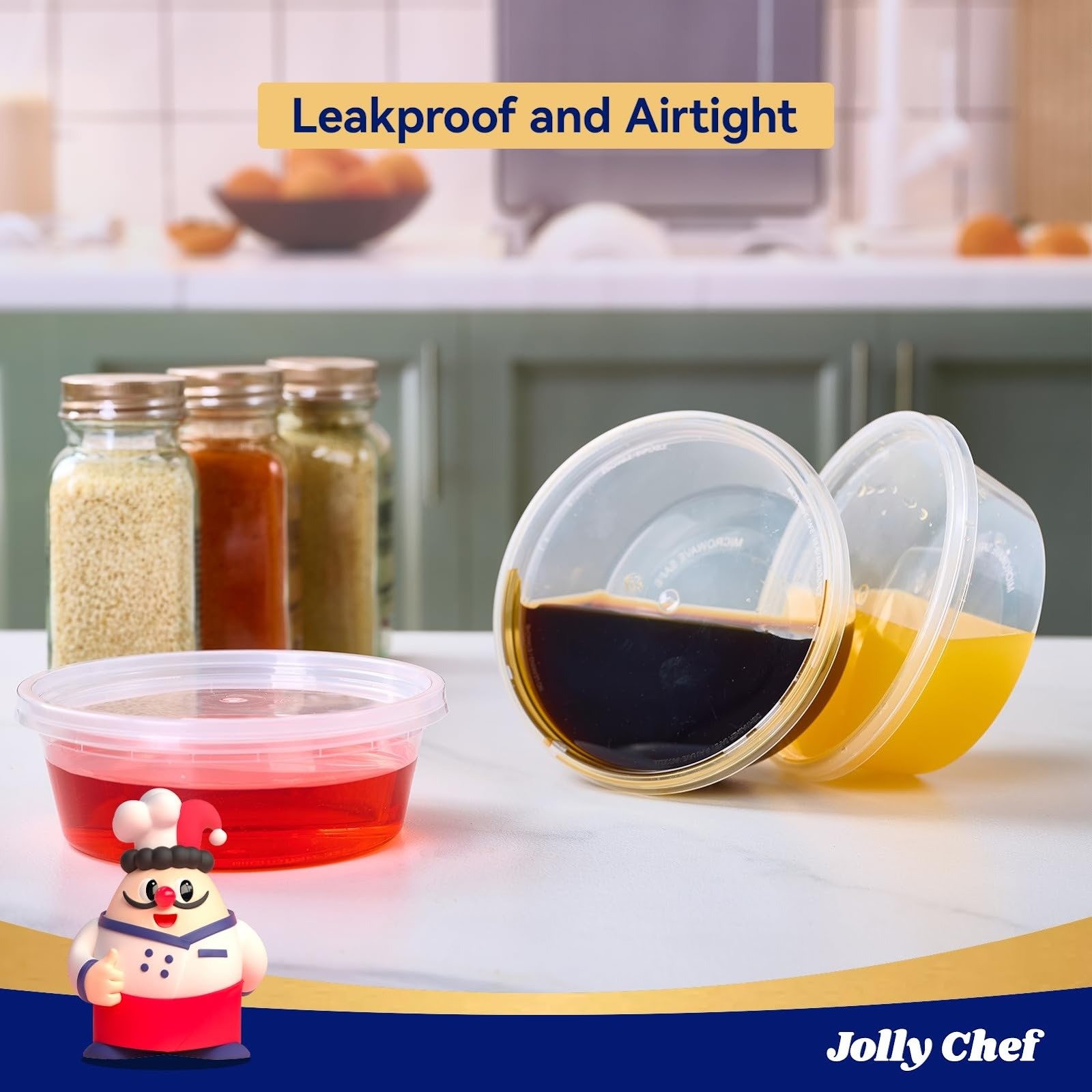
Certifications cut through marketing claims to reveal genuinely sustainable products. The Biodegradable Products Institute (BPI) certification guarantees that items will fully compost in commercial facilities within a specific timeframe, while Forest Stewardship Council (FSC) certification ensures paper products come from responsibly managed forests. These third-party validations protect you from greenwashing and give customers confidence in your environmental claims.
Matching materials to menu items requires strategic thinking about your specific food characteristics. Hot, greasy items like fried chicken demand bagasse or molded fiber containers that maintain structural integrity under heat and oil. Cold items such as grain bowls and wraps work beautifully in PLA containers that showcase ingredients while remaining rigid. Snack containers for items like cookies or chips thrive in lightweight recycled paperboard, while meal prep solutions containing sauces or dressings need compartmentalized designs with secure closures, best achieved through compostable fiber clamshells with tight-fitting lids. Your material selection directly impacts both food presentation and the customer experience during transport.



Solution Step 1: Audit Your Current Menu and Packaging
Begin by creating a simple spreadsheet listing every menu item you serve alongside its current packaging. Categorize each dish by its primary challenge: temperature requirements (hot-hold above 140°F, cold below 40°F, or ambient), moisture level (dry, moderately moist, or liquid-heavy), and greasiness (low, medium, or high oil content). Next to each item, note the specific functional demands your packaging must meet—does your barbecue sandwich need grease resistance and structural strength, or does your açai bowl require clarity and leak-proof sealing? This systematic inventory reveals patterns in your packaging needs, showing you which eco-friendly materials can serve multiple menu items and where you’ll need specialized solutions, ultimately streamlining your transition to sustainable options.
Selecting the Right Sustainable and Biodegradable Packaging Options
Bagasse containers, made from sugarcane fiber left after juice extraction, have emerged as workhorses for food trucks serving hot, oily foods. These molded fiber products resist temperatures up to 200°F and handle grease without breaking down, making them ideal for barbecue plates, fried items, and hot sandwiches. They’re fully compostable in commercial facilities and typically cost 15-25% more than foam alternatives, but their sturdy construction means fewer double-container situations. The natural tan color communicates sustainability instantly, though they lack the visual appeal of clear containers for showcasing colorful ingredients.
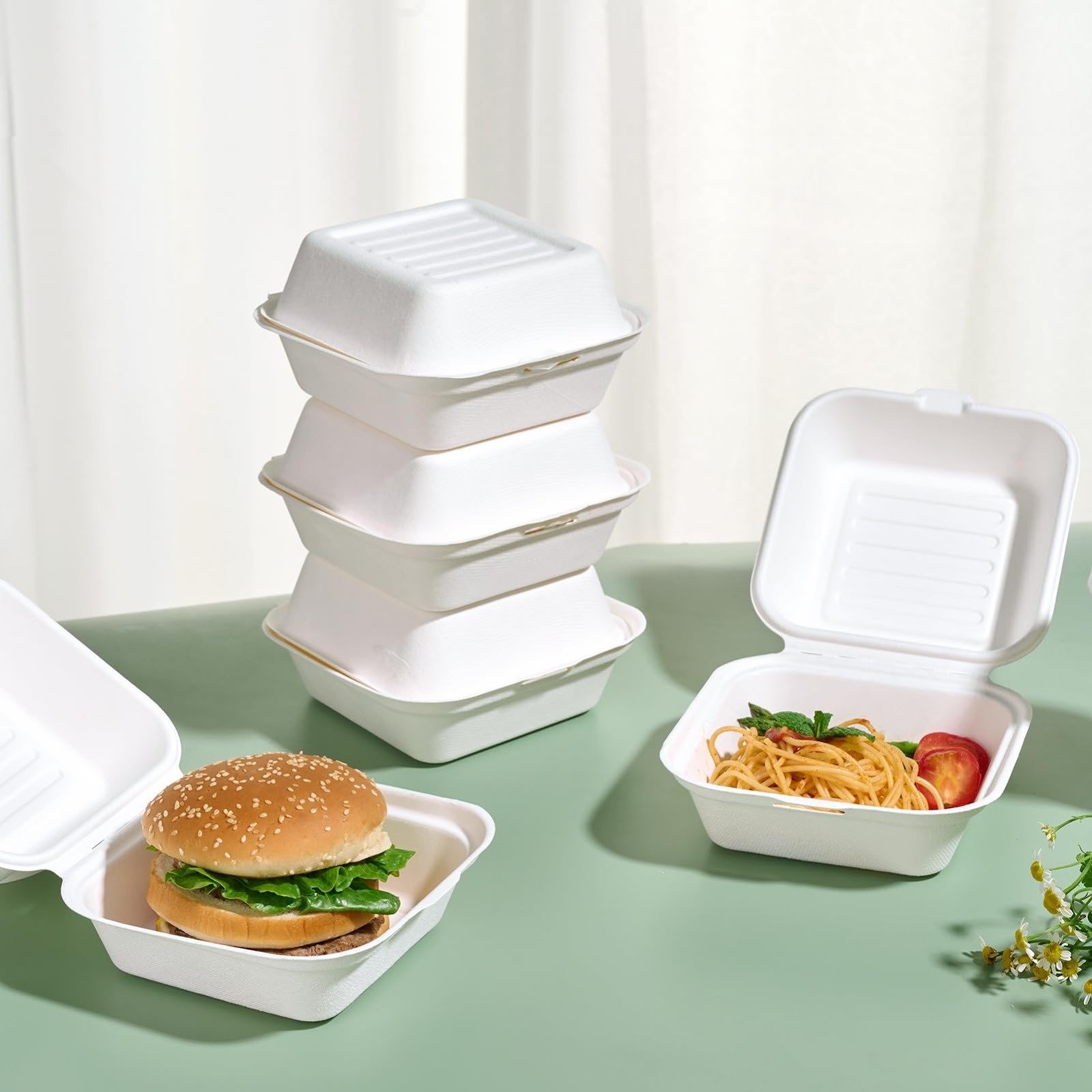
Molded fiber clamshells offer similar heat and grease resistance with the added benefit of secure closure mechanisms that prevent spills during transport. These hinged containers work exceptionally well for burgers, tacos, and mixed plates where multiple components need separation. Bamboo plates and bowls bring an upscale aesthetic to your presentation, particularly effective for events and catering where customers eat on-site rather than taking food to-go. Their rigid structure handles heavy, saucy dishes, though they command premium pricing that works best for higher-margin menu items.
Certified compostable clear containers bridge the gap between sustainability and food visibility. Made from PLA or other plant-based polymers, these transparent options let customers see fresh salads, colorful poke bowls, and layered parfaits before purchase—a significant advantage for impulse sales. However, their temperature limitations restrict use to cold and ambient foods below 110°F. When sourcing these environmentally friendly packaging options, prioritize suppliers who provide BPI certification documentation and can guarantee consistent stock availability. Many food truck operators find success working with regional distributors who understand local composting infrastructure, ensuring the packaging you choose actually gets composted rather than landfilled. Request case-quantity pricing and inquire about mixed-SKU orders that let you stock multiple container types without meeting high minimum orders for each individual product.
Solution Step 2: Source and Test Sample Products
Identify three to five suppliers specializing in compostable food service products by searching industry directories, attending food truck expos, or asking fellow operators for recommendations. Contact each supplier requesting sample packs of containers that match your audit categories from Step 1, specifically asking for BPI-certified options. When samples arrive, conduct real-world testing by filling containers with actual menu items at service temperature, then subjecting them to a 30-minute drive simulation—place them in a vehicle, drive your typical route including turns and stops, then evaluate for leaks, structural failure, and lid security. Test hot items after 45 minutes in containers to assess heat retention and softening. Create a simple scoring sheet rating each sample on leak resistance, structural integrity, ease of closure, and visual appeal, noting which passed your operational requirements and which failed, narrowing your choices to the top two performers for each food category.
Balancing Cost, Function, and Sustainability in Meal Prep Solutions
The sticker shock of eco-friendly packaging often stops food truck operators before they start, but focusing solely on unit price misses the complete financial picture. A bagasse container costing $0.35 versus a foam container at $0.12 seems like a clear loss until you factor in disposal costs. Many municipalities now charge premium rates for landfill waste while offering reduced fees or even free pickup for compostable materials, potentially saving $50-150 monthly on waste services. Additionally, sustainable packaging reduces the reputational risk of fines from plastic bans, which in cities like Seattle can reach $250 per violation.
Inventory efficiency creates hidden savings that offset higher material costs. Rather than stocking six different foam container sizes, many operators find that three versatile eco-friendly options—a standard clamshell, a bowl, and a small snack box—cover 90% of menu items. This consolidation reduces storage space in already cramped food trucks, minimizes ordering complexity, and decreases the likelihood of running out of a specific size during service. The durability of molded fiber and bagasse also means fewer instances of double-packaging hot or heavy items, directly reducing per-order costs. For operators looking to complement their sustainable packaging with reusable serving ware for on-site events, suppliers like Jolly Chef offer bamboo and melamine tableware lines that align with eco-friendly values while providing the durability needed for high-volume catering situations.
A phased transition protects cash flow while building momentum. Start by switching your highest-volume item to eco-friendly packaging, allowing you to negotiate better per-unit pricing through volume and giving staff time to adapt to new products. Once comfortable, expand to your second-highest seller the following month. This gradual approach spreads the financial impact across quarters while letting you market each change as a milestone, keeping your sustainability story fresh in customers’ minds and justifying any modest price adjustments needed to cover increased costs.
Solution Step 3: Calculate Total Cost and Plan Your Transition
Create a spreadsheet comparing your current monthly packaging spend against projected eco-friendly costs using the top-performing samples from Step 2. Include four cost categories: container unit price multiplied by monthly volume, disposal fees for your waste hauler, storage costs if consolidation reduces space needs, and potential revenue impact from a 3-5% price increase positioned as a “sustainability premium.” Calculate the net monthly difference, then divide by your average daily customer count to see the per-transaction impact—often just $0.10-0.25 per order. Design your rollout calendar by selecting your launch date, identifying which menu item switches first, scheduling a staff training session on new container features, and drafting social media posts announcing the change with behind-the-scenes photos of your new packaging. Set a review date 30 days post-launch to assess customer feedback and operational challenges before expanding to additional items.
Building a Sustainable Future for Your Mobile Food Business
Choosing eco-friendly packaging for your food truck represents far more than a trend—it’s a strategic investment that strengthens your brand while protecting the environment your customers care deeply about. The three-step framework outlined here provides a clear path forward: audit your menu to understand your specific functional requirements, source and rigorously test samples that meet those operational demands, then calculate total costs and implement a phased transition that protects your cash flow. This systematic approach transforms what initially seems like an overwhelming decision into manageable actions that fit your business reality. As a mobile food operator, you’re uniquely positioned to lead this shift toward sustainability, demonstrating daily to hundreds of customers that delicious food and environmental responsibility aren’t competing priorities but complementary values. Your packaging choices ripple outward—reducing landfill waste, supporting sustainable material industries, and inspiring other vendors to follow your example. By making this transition, you’re not just complying with regulations or satisfying customer preferences; you’re building a resilient business model that turns operational necessity into a powerful competitive advantage that attracts loyal customers, secures premium vending opportunities, and positions your food truck as a forward-thinking leader in an industry ready for change.