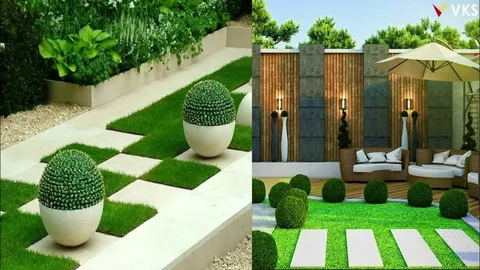
Remember when gardens only had a bit of grass, maybe some roses if you were feeling fancy, and a shed where tools went to rust?
Those days are officially over. British gardens in 2026 are going through a complete overhaul, and it’s absolutely fascinating to watch.
If you’ve been wondering why your neighbour’s garden suddenly looks like something out of a design magazine and how to replicate that in your own outdoor space, keep reading.
Sustainable Materials
Let’s start with the elephant in the room: everything is going green. And no, we don’t mean just the plants.
Sustainable materials are everywhere now. Reclaimed wood is being turned into gorgeous pergolas, recycled metals are showing up as sleek planters, and natural stone is making a comeback in a big way.
The shift happened gradually, then all at once. People got tired of cheap plastic furniture that cracked after one British winter.
Now, your local salvage yard is where you can find all your landscaping needs. After all, shipping rocks from Italy when you’ve got perfectly good ones in Yorkshire makes no sense.
Not to mention, buying locally cuts transport costs and supports your community.



Smart Tech
Here’s where things get interesting. Gardens are getting smarter without becoming fussy.
Smart irrigation systems now check the weather forecast before watering your plants. It’s like having an attentive gardener who never takes holidays.
Also, robot mowers are becoming a popular addition. Once you set the schedule and boundaries, they’ll keep your lawn trimmed little and often. So, instead of setting aside an afternoon to tackle it yourself, you can just enjoy the finished result without breaking a sweat.
The trick is choosing tech that actually solves problems. Nobody needs an app to tell them their roses are thirsty.
But automatic watering that adjusts for rainfall and a mower that keeps your lawn manicured with minimal effort? That’s the sweet spot.
Multi-Purpose Outdoor Spaces
Gardens aren’t single-purpose spaces anymore. People are working from home more, which means gardens are becoming outdoor offices. They’re dining rooms, yoga studios, and party venues all at once.
The secret is flexible furniture and smart zoning. Foldable tables and stackable chairs let you transform your space in minutes. That quiet reading corner can quickly become a dining area when friends pop round.
Shade solutions matter more than ever as well. Retractable awnings give you control over sun exposure, and pergolas with climbing plants offer natural shade while looking stunning.
To make the most of your space, create distinct zones using paths or low borders. You can have a cosy seating area near the house, an open dining space in the middle, and maybe a fire pit zone at the back.
With thoughtful design, your garden will become an actual living space. And in Britain, where houses keep getting smaller, that’s rather valuable.
Native Plants
British plants belong in British gardens. It’s not nationalism; it’s just good sense.
Native species thrive in UK conditions because they evolved here. They need less water, less feeding, and less fussing overall.
Foxgloves, for example, adore shady corners and attract pollinators. On the other hand, common yarrow handles dry spells without complaint, and marsh marigolds brighten damp spots, providing habitat for water-loving creatures.
The real magic, though, lies in the wildlife benefits. Native plants support native insects, which in turn feed native birds, helping create a balanced and functioning ecosystem right in your back garden.
For the best results, combine plants of different heights and flowering seasons. This way, you’ll get year-round interest without the maintenance nightmare. And before you know it, you’ll have a thriving garden that practically runs itself.
Minimalist Designs
Maximalism had its moment. Now, less is absolutely more.
Minimalist gardens rely on clean lines, simple palettes, and spaces that feel calm rather than crowded. Every feature has a purpose, and nothing competes for attention.
Instead of busy layouts, you’ll find smooth concrete paths, sleek wooden decking, and open areas that highlight structure and shape.
The dominant colour choices are simple, too. Whites, greys, and natural earthy tones create a quiet backdrop that lets your greenery take centre stage.
That clean, polished look does need a bit of upkeep, though. You’ll want to trim your plants regularly to keep those crisp lines looking sharp and store your tools out of sight to maintain that uncluttered feel you’re aiming for.
This style won’t suit everyone. But if your outdoor space sometimes feels busy or hard to keep on top of, minimalism might be your unexpected answer.
Efficient Lighting
Garden lighting has come a long way from those solar stakes that flicker half-heartedly by the gate. With the right setup, you can enjoy your garden long after the sun goes down, instead of abandoning it the moment evening arrives.
Modern LED lighting makes this far easier than it used to be. You can light paths, seating areas, or features without worrying about energy costs creeping up.
Solar options can also work brilliantly in sunny spots, charging throughout the day so your garden glows by night.
Keep in mind that where you place your lighting makes all the difference.
Low-level lights along paths help you avoid awkward late-evening stumbles, while spotlights can draw attention to sculptures, plants, or water features. You can also uplight your trees to add depth and create a more layered look across the space.
Where to Start Without Overwhelming Yourself
Transforming your garden can sound like a huge project, but it doesn’t have to feel that way. You don’t need to change everything at once to see real progress.
Start with one simple upgrade. You can swap plastic planters for reclaimed wood, refresh a seating area, or add solar lighting to your patio.
If you’re unsure where to begin or want a more structured plan, professional services offering landscaping in London can help you shape your ideas into something practical and cohesive.
They can guide you through design choices, materials, and long-term planning, which will take a lot of pressure off your shoulders.
Conclusion
British gardens are entering a new era, and if you’ve read this far, you’re clearly interested in joining that change.
So, pick one trend that speaks to you and give it a go. Six months from now, you’ll wonder why you waited. And your neighbours? They’ll be asking for tips.