Recovering from a knee injury isn’t just about resting and waiting for time to do its part. It’s about learning how to move again—slowly, gently, and with confidence. For many people, the hardest part comes after the surgery, when daily routines must adapt to a new reality. Simple movements like standing up, walking, or climbing stairs can suddenly feel unfamiliar.
This is where guided physiotherapy and home-based exercises become key. They are not just about rebuilding strength, but also about restoring trust in the body. Each stretch and contraction plays a role in teaching the joint how to work smoothly again. The path isn’t always linear, but following consistent, well-structured recovery steps makes a world of difference.
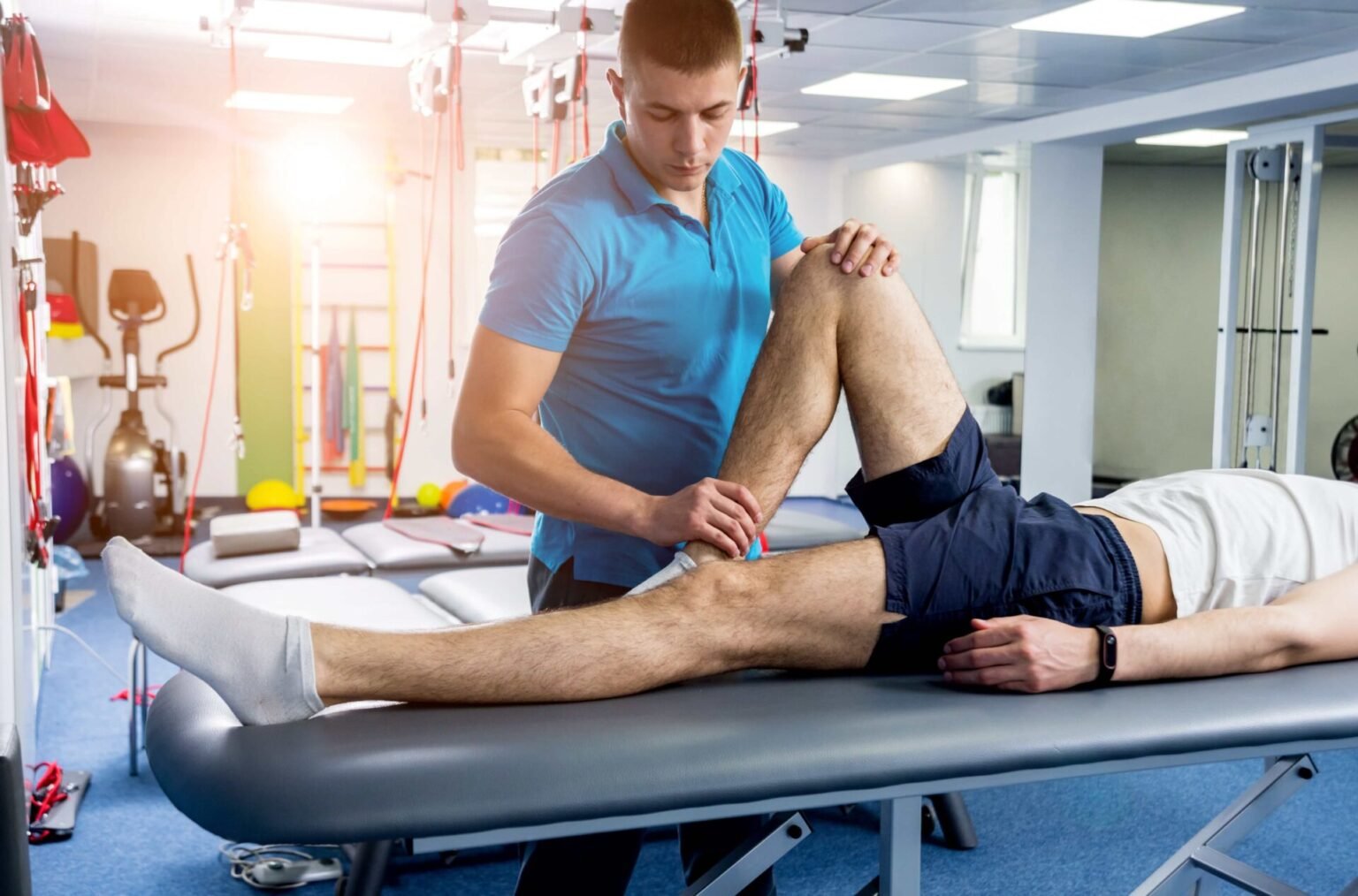
For those recovering from ACL reconstruction surgery, understanding the basics of physiotherapy and home exercises is essential. Proper guidance helps protect the new ligament while rebuilding the strength and stability needed to move safely and confidently again.
Building a Strong Foundation for Recovery
Recovery begins not with heavy workouts, but with awareness—learning how to listen to the body again. The early weeks are about balance: reducing swelling, improving circulation, and slowly helping the joint regain mobility. It’s tempting to rush progress, but the truth is that each small step forms the base of longer-term strength.
Focusing on Early Mobility
The first goal is simple—gentle movement. After surgery, the knee tends to stiffen, and muscles around it weaken quickly. Controlled exercises, such as heel slides or gentle bending and straightening, teach the body to move safely again. It may not feel like much at first, but this gentle motion keeps the joint lubricated and prevents long-term stiffness. Physiotherapists often remind patients that the goal isn’t to do more, but to do each movement correctly.
Relearning movement after ligament surgery can feel strange—like meeting a familiar friend who has changed slightly. But as consistency builds, so does confidence. Each bend becomes smoother, and walking feels less forced.
Strengthening Without Overloading
Building strength must be gradual. Muscles surrounding the knee—especially the quadriceps and hamstrings—play a vital role in protecting the new ligament. However, strength training too soon or with too much intensity can strain healing tissues. Resistance bands or simple body-weight exercises allow safe, controlled strengthening at home.
Physiotherapists usually guide patients through progressive exercises that match their healing phase. Some focus on activating smaller stabilizing muscles, while others target larger ones for stamina. Together, they help the knee learn to support itself in everyday movements—walking across the room, stepping into a car, or standing from a chair.

The Role of Balance and Coordination
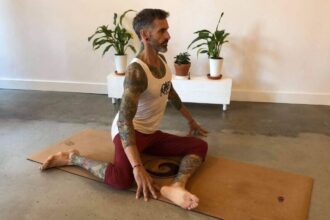
As the knee heals, regaining balance becomes just as important as restoring strength. The body must relearn how to control joint movement during turning, pivoting, or uneven surfaces. This is where simple home routines—standing on one leg, gentle lunges, or light step-ups—play a key role.
Balance exercises also improve confidence. Many people hesitate to put full weight on the operated leg, fearing it might give way. Through carefully guided practice, this fear fades. The body begins to trust the new ligament, and movement starts to feel natural again.
Making Home Exercises Work
Once the basics are in place, home exercises shift from gentle mobility to functional movement. The aim is to bring strength and agility back into everyday life—without risking the repaired ligament. This balance between action and patience often defines the success of recovery.
Creating an Ideal Home Routine
Consistency is more valuable than intensity. Short, frequent sessions work better than sporadic, overly long workouts. Setting aside specific times each day helps form a rhythm. Having an open, safe space at home makes it easier to commit to the exercises without distraction or risk of slipping.
A simple warm-up, such as a few minutes of light leg movement or stationary cycling (if advised by the physiotherapist), prepares the muscles and joints. Then come structured exercises—extensions, mini squats, step-downs, or stretches. Each should feel challenging but never painful. A cool-down afterward, with gentle stretching or icing, supports recovery and reduces swelling.
At times, motivation may dip, especially when progress feels slow. That’s when small victories—being able to walk a few steps faster, stand a bit longer, or climb a few more stairs comfortably—become the biggest encouragement.
Coordinating with a Physiotherapist
While home routines form the heart of rehabilitation, working with a physiotherapist offers essential oversight. They evaluate mobility, track improvement, and adjust exercises based on healing and comfort levels. Even subtle issues in movement, like favoring one leg, can delay recovery if unnoticed.
Regular check-ins also help identify possible complications early, such as lingering swelling, unusual pain, or limited range of motion. Physiotherapists can adapt sessions or suggest safe alternatives to avoid overstraining the ligament. Combining professional supervision with disciplined home exercise creates a steady, balanced recovery path.
Moving Forward with Confidence
Protecting the new ligament is not just about exercise—it’s about rebuilding a relationship with the body. Progress often comes quietly. One day, the steps that once felt uncertain will feel steady again. Reaching full strength doesn’t happen overnight, but each movement guided with care and persistence brings the knee closer to normal function.
Over months of steady work, flexibility returns, and coordination improves. Even activities that once seemed distant—jogging, dancing, hiking—can become realistic goals with patience and proper guidance. The sense of accomplishment that follows recovery is not only physical but emotional too. Regaining active movement often restores confidence in everyday life.
Proper physiotherapy and home care after surgery teach lifelong lessons in patience and body awareness. It’s a reminder that healing is more than medical treatment; it’s a journey that combines discipline, support, and compassion toward oneself. With the right approach and consistent follow-through, protecting a new ligament becomes less about avoiding injury and more about building a body that moves with strength and trust again.