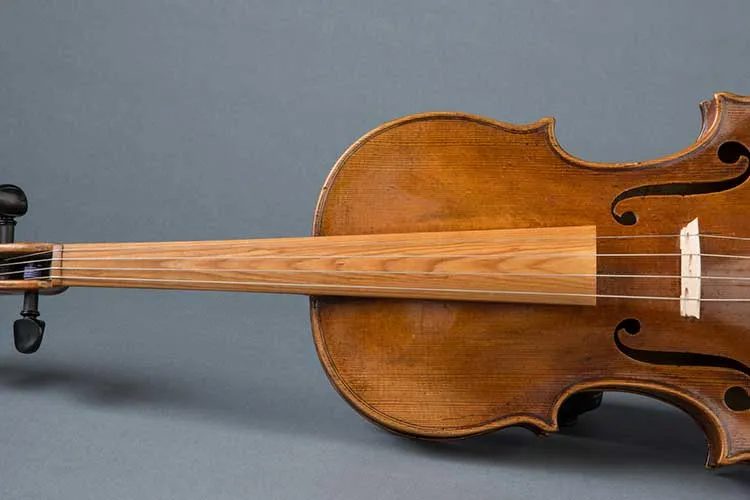
Who said greener alternatives only exist in particular industries? Turns out, it’s also possible with instruments, especially violins. Eco-conscious musicians are asking important questions: “Can we create high-quality violins without relying entirely on traditional tonewoods, like spruce and maple?”
Also, what makes a good violin when you need to consider environmental responsibility?
There comes the shift that matters not only for the future of the environment, but for the future of music itself. Now that violins are starting to become in-demand, there’s a need to talk about ethical sourcing and lower-impact manufacturing.
Materials and Construction
Traditionally, violins are made using maple, spruce, and ebony. These are called hardwoods that require decades to season and mature. And you know what? These hardwoods are not easy to get. They’re typically found in threatened forests.
Today, many innovative makers are searching for alternatives that also protect these natural resources mentioned above. Here are some examples of sustainable materials.
- Those responsibly sourced woods certified by environmental standards
- Composite materials with biodegradable fibers and eco-resins
- Bamboo components
- Recycled wood and reclaimed materials
Believe it or not, some companies even start exploring 3D-printed parts and plant-based composites. There’s a real challenge, of course, and that is balancing durability, resonance, and workmanship while still minimizing a huge impact on the environment.
Sound and Playability
For musicians, tone always comes first. The question now is how these sustainable violins come when it comes to sound and what their tone quality is.
Just like a trial and error, early attempts lacked the expected sound – that rich and complex tone. But there comes technology and luthier techniques where improvements have happened dramatically.



Musicians are now saying that their instruments have full and warm tones, consistent sound quality, and more comfortable instruments.
Truth is, composites can even offer advantages. Think of better resistance to humidity and temperature changes, which are already considered improvements. These improvements just show that eco-friendly instruments are quickly becoming reliable alternatives for many musicians.
Benefits Beyond the Sound
Choosing sustainable violins can do more than make beautiful music; it also serves a healthier planet.
Some of the benefits include reducing deforestation and preserving slow-growing tonewood species.
Also, ethical sourcing practices can be encouraged within the music industry. When it comes to materials, it’s time to lower waste by using recycled and renewable materials. And think of the carbon footprint. It’s generally smaller compared to the high carbon footprint used during production and transport.
Conclusion
Eco-friendly violins exist, and it just proves that sustainability and musicianship don’t have to be in conflict. Thanks to new materials and modern ways of creating such instruments, players can now enjoy instruments that also support the environment without a degraded quality.
And as the industry continues to improve, musicians can also help speed up this positive change by considering greener options when renting or buying. As far as we know and believe, what makes a good violin today includes how it sounds and how it helps in protecting the environment.