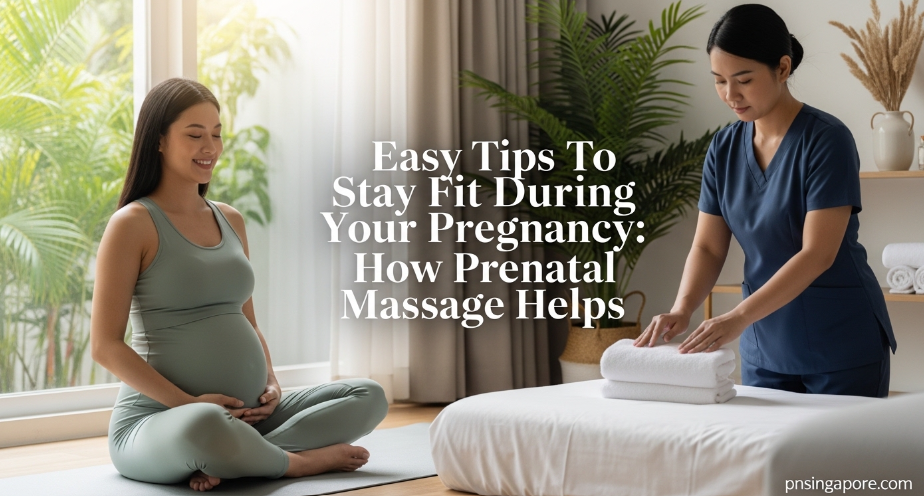
Pregnancy asks your body to adapt every day, so “staying fit” often means moving with confidence, managing discomfort, and protecting your energy. If you live in Singapore and you want a safe way to support your routine, prenatal massage Singapore options can play a practical role alongside gentle exercise, sleep, and nourishment.
- Easy ways to stay fit during your pregnancy without overdoing it
- A simple weekly movement plan you can actually follow
- Strength moves that support pregnancy fitness (and daily comfort)
- Hydration, protein, and daily energy: the “fitness” basics that get ignored
- Why soreness and swelling can block your fitness routine
- How prenatal massage supports staying active during pregnancy
- What “safe prenatal massage” should look like in Singapore
- Home sessions make it easier to stay consistent
- Common myths that stop expecting mums from exercising or booking massage
- When to check with your doctor first
- Putting it together: a calm, realistic weekly rhythm
You do not need extreme workouts to feel strong. You need consistent, pregnancy-safe habits that reduce aches, support circulation, and help you recover well after each day.
Easy ways to stay fit during your pregnancy without overdoing it
Most healthy, uncomplicated pregnancies benefit from regular, moderate activity. Research-backed guidelines commonly recommend about 150 minutes of moderate-intensity movement per week, spread across the week.
Aim for small wins that you can repeat:
- Take a 20 to 30-minute walk on most days
- Choose stairs mindfully when you feel steady
- Add light strength moves that support hips, glutes, and upper back
- Stretch little and often to reduce tightness from sitting and sleeping positions
Consistency matters more than intensity, especially when fatigue or nausea affects your schedule.
A simple weekly movement plan you can actually follow
If you prefer structure, use this straightforward baseline and adjust based on how you feel and what your doctor advises.
| Focus | Examples | Frequency |
| Low-impact cardio | Walking, swimming, stationary cycling | 3 to 5 days a week |
| Strength and posture | Squats to a chair, glute bridges, clamshells, wall push-ups | 2 to 3 days a week |
| Mobility and breathing | Prenatal yoga flows, hip openers, rib breathing | Most days, 5 to 10 minutes |
You should feel warm and lightly challenged, not breathless. You also need to stop if you feel dizzy, unusually short of breath, or experience pain.
Strength moves that support pregnancy fitness (and daily comfort)
Strength training helps you feel stable as your centre of gravity shifts. It can also reduce common discomforts like back tension and hip tightness.



Try these pregnancy-friendly staples:
- Chair squats for glutes and legs
- Side-lying clamshells for hip stability
- Glute bridges for posterior chain strength
- Band rows for upper back support and posture
After the first trimester, many people avoid long periods lying flat on the back. You can still train effectively with side-lying, seated, hands-and-knees, or standing variations.
Hydration, protein, and daily energy: the “fitness” basics that get ignored
Your workouts only feel good when your basics feel steady. Hydration supports circulation and can reduce the chances of headaches and fatigue.
Practical, low-stress nutrition habits include:
- Build meals around protein plus fibre-rich carbohydrates
- Add fruit, yoghurt, or nuts for easy snacks
- Keep water within reach and sip through the day
- Stop skipping breakfast if nausea allows smaller portions
If you have dietary restrictions or gestational diabetes concerns, follow personalised medical advice.
Why soreness and swelling can block your fitness routine
Many expecting mums start with good intentions, then pain interrupts the plan. Backache, sciatica-like discomfort, and ankle swelling can make walks and simple strength sessions feel harder than they should.
That matters because research links regular prenatal exercise with improved outcomes in uncomplicated singleton pregnancies. Studies also associate aerobic exercise, done several times a week, with lower risk markers for complications such as gestational diabetes and preeclampsia in certain groups.
So the goal becomes clear: manage discomfort so you can keep moving safely.
How prenatal massage supports staying active during pregnancy
Prenatal massage supports comfort, circulation, and recovery so you can maintain gentle activity. It can help you feel looser through the hips and lower back, and it can make sleep easier, which supports your energy and motivation.
Research on prenatal massage also links regular sessions with reduced stress hormones like cortisol and norepinephrine, alongside improved feel-good neurotransmitters such as dopamine and serotonin. You should still seek medical support if you experience depression or persistent low mood, because this needs professional care.
A good massage plan also complements your exercise routine by easing muscular tightness after walking, yoga, or light strength work.
If you want to read about what a prenatal session looks like with PNSG, you can find details on their approach and safety practices here.
What “safe prenatal massage” should look like in Singapore
You protect yourself and your baby by choosing the right timing, technique, and therapist.
Look for these safety basics:
- A certified prenatal-trained therapist who understands pregnancy positioning
- Side-lying support with pillows to reduce strain
- Gentle, soothing techniques
- Clear communication about pressure and sensitive areas
PNSG also keeps strict prenatal boundaries within its prenatal massage package Singapore options: therapists only provide prenatal sessions after 28 weeks, they limit frequency to a maximum of once a week, and they avoid sensitive areas such as the breast and tummy.
Home sessions make it easier to stay consistent
Consistency keeps you fit during your pregnancy, but travel can drain your energy. When you book an at-home session, you remove the commute, waiting time, and post-session rush.
Home service also supports hygiene and peace of mind. You do not share a treatment room with other clients, and you can return to your normal routine straight after the session.
PNSG runs one of Singapore’s largest certified therapist teams, with 70+ therapists. This scale helps you find a suitable time slot without squeezing appointments into already busy weeks.
Common myths that stop expecting mums from exercising or booking massage
Many people pause movement because of outdated or confusing advice. These clarifications can help you stay calm and consistent.
Myth: “If I did not exercise before, I should not start now.”
Reality: Many people can start with gentle walking and light strength, then progress gradually with medical clearance.
Myth: “Exercise always increases the risk of preterm birth.”
Reality: Research across large groups shows moderate activity does not increase preterm birth or low birth weight risk in uncomplicated pregnancies.
Myth: “Prenatal massage triggers labour.”
Reality: When a trained therapist uses appropriate prenatal techniques and positioning, massage supports comfort and relaxation. Always follow your doctor’s advice if you have a high-risk pregnancy.
When to check with your doctor first
You should always seek medical clearance if you have a high-risk condition or you feel unsure. You also need urgent medical advice if you experience symptoms such as bleeding, severe abdominal pain, sudden swelling, or reduced fetal movement.
For exercise, your doctor may adjust your plan if you have complications, dizziness, or unusual pain. For massage, you should disclose medical history and any pregnancy-related concerns before the session starts.
Putting it together: a calm, realistic weekly rhythm
If you want a sustainable plan, combine movement and recovery instead of pushing harder.
A balanced week can look like this:
- 3 to 5 days: 20 to 30 minutes of walking or swimming
- 2 days: short strength sessions focused on hips, glutes, and upper back
- Daily: 5 minutes of breathing and gentle mobility
- Optional support: one prenatal massage session a week from 28 weeks onwards
This rhythm supports fitness without turning pregnancy into a performance.
Staying fit during pregnancy works best when you remove friction and prioritise recovery as much as movement. If you want an at-home prenatal session from certified therapists and genuine, mum-safe products, book your slot here.